🚚 Free Worldwide Shipping on All Orders!Shop Now
1 / 3
Gertrude's Spotted Blue Eye Rainbow
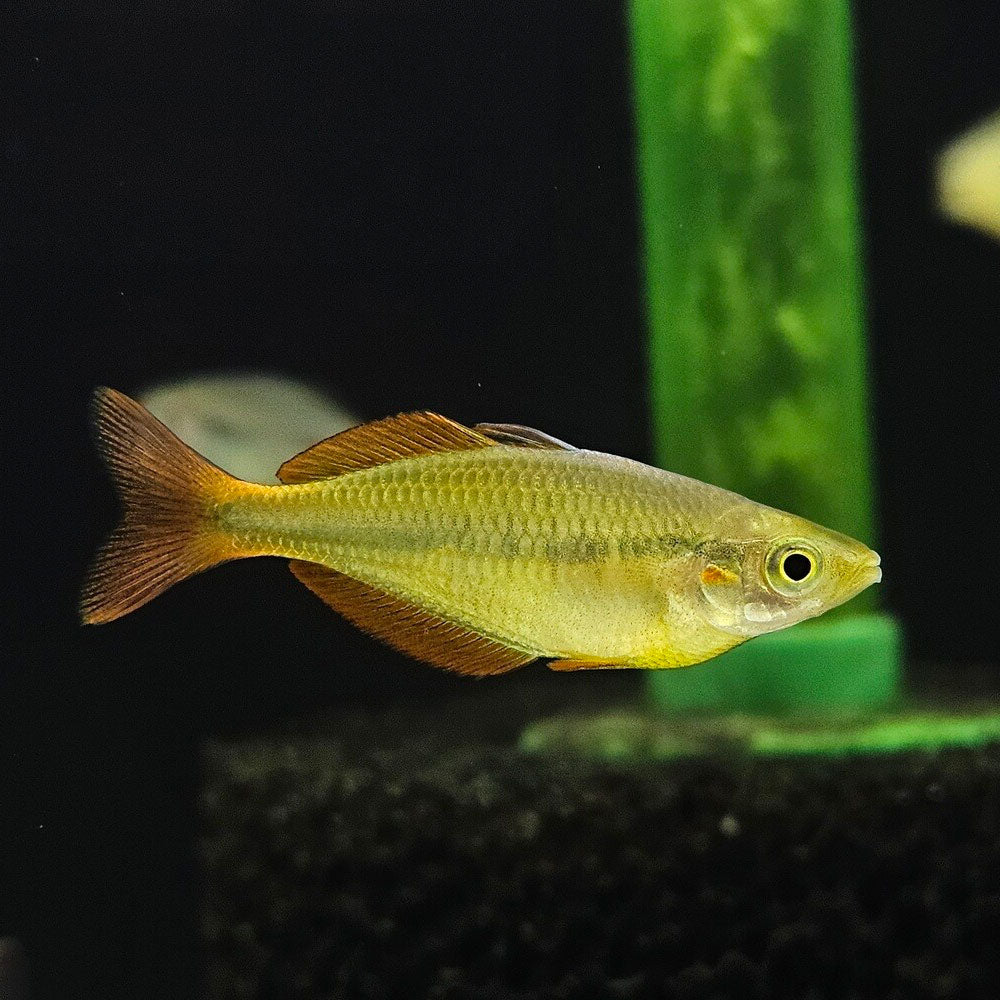
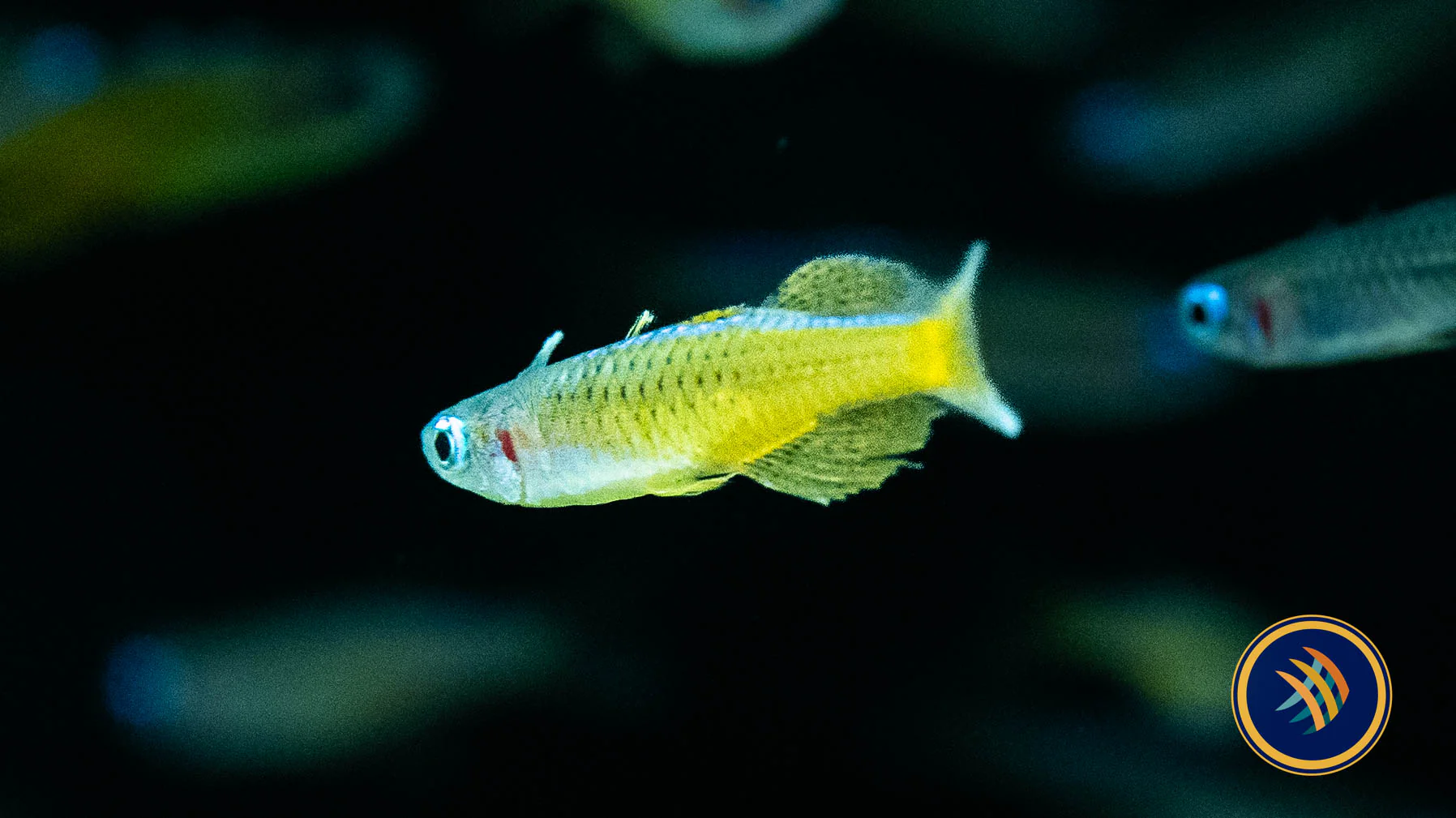
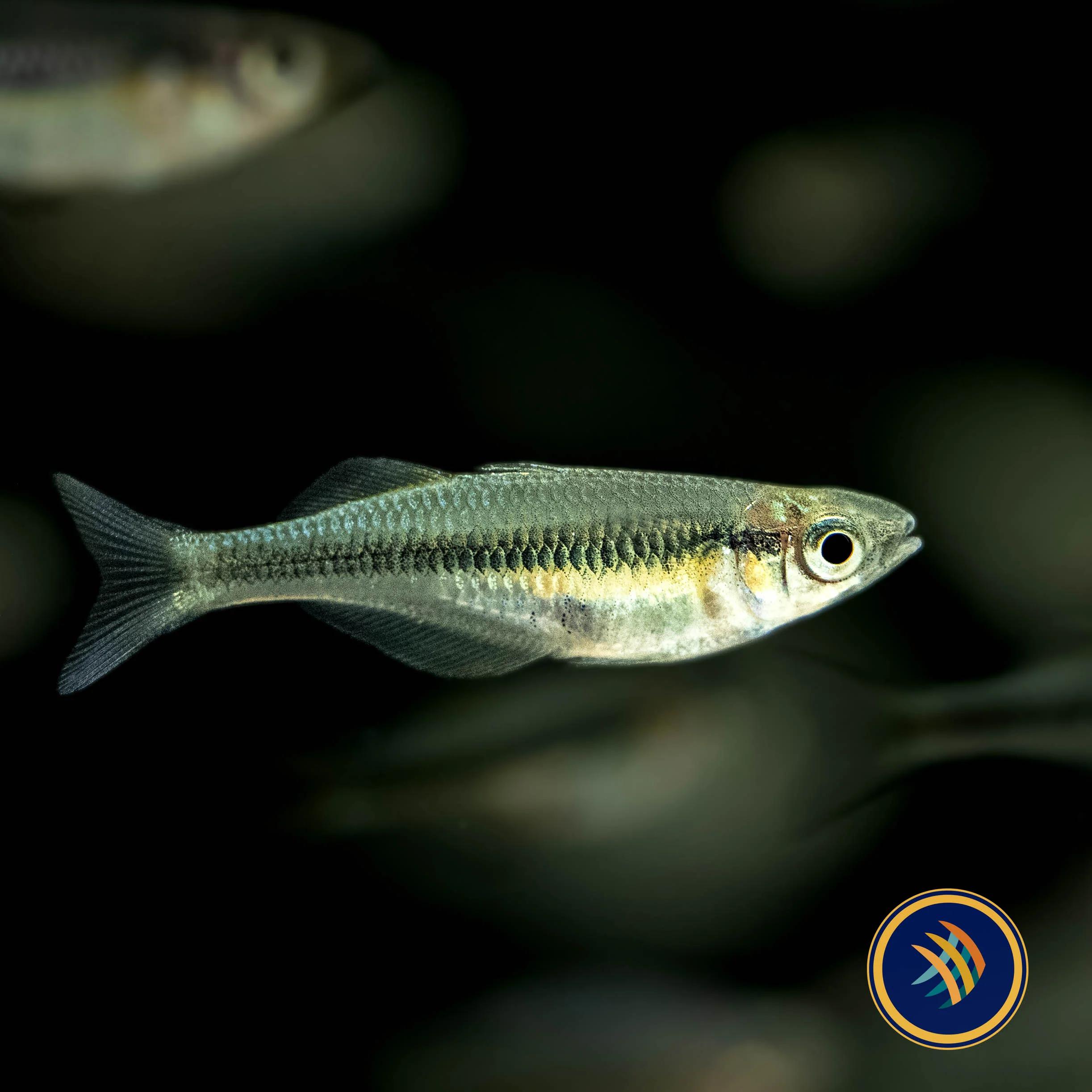
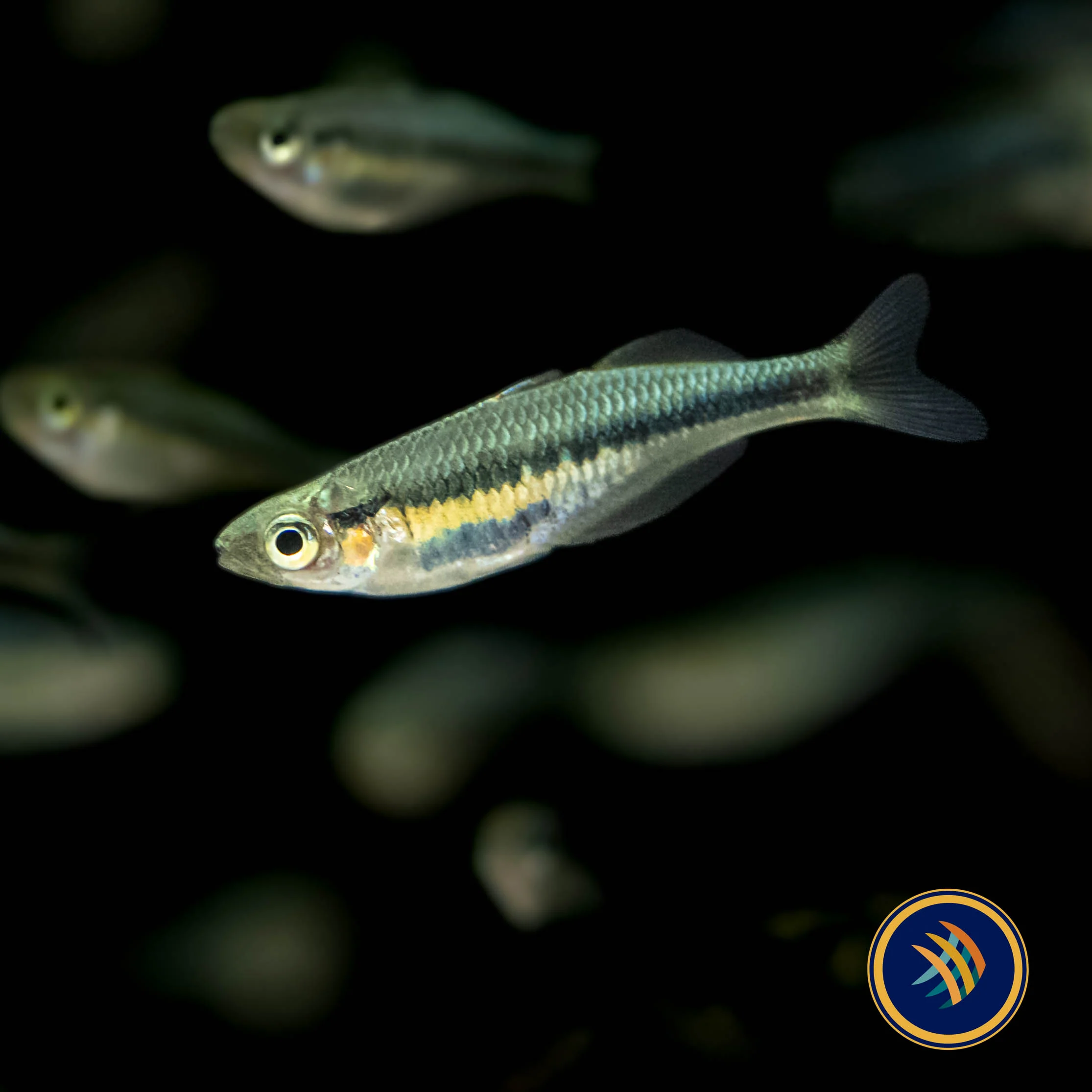
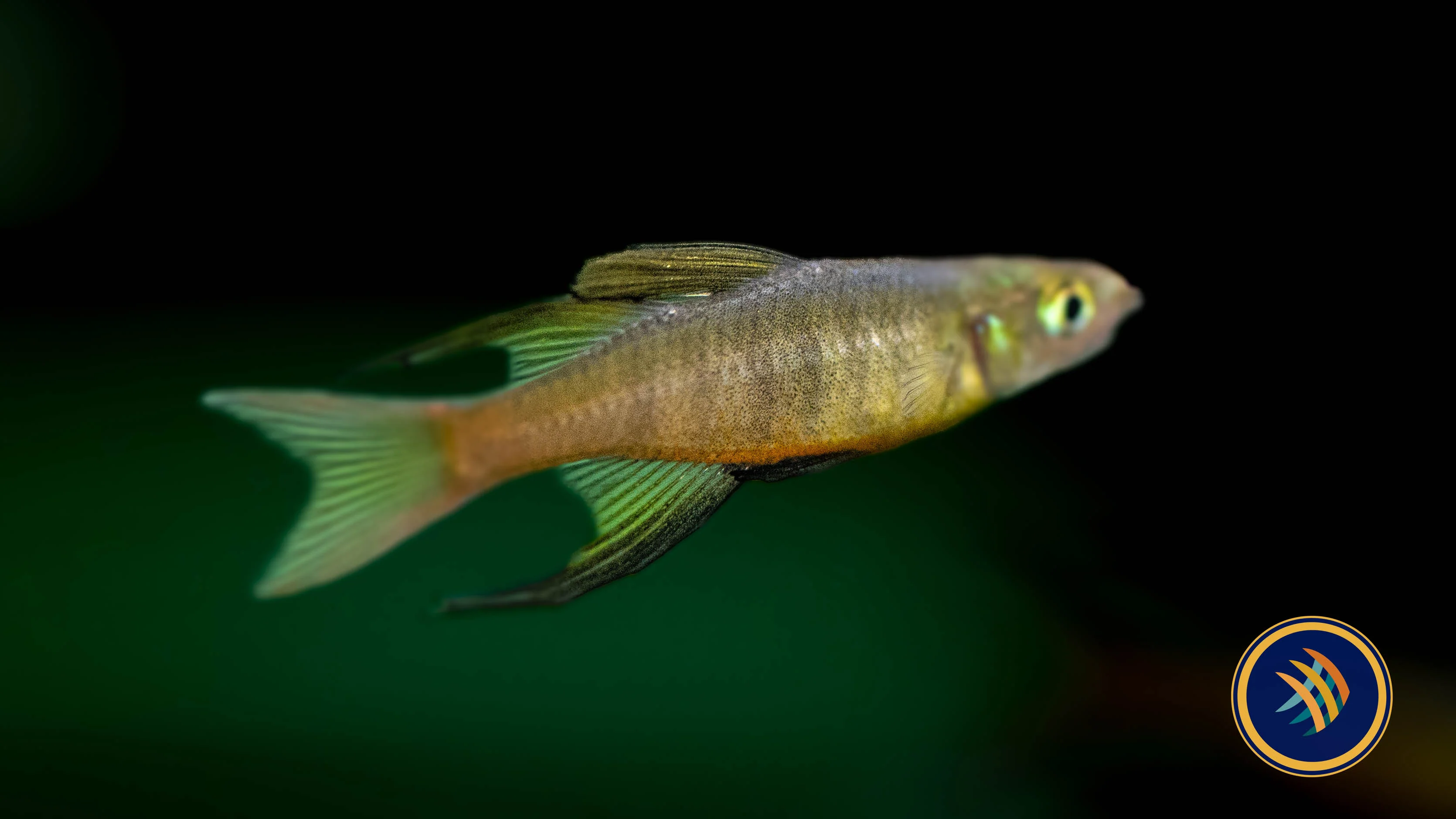
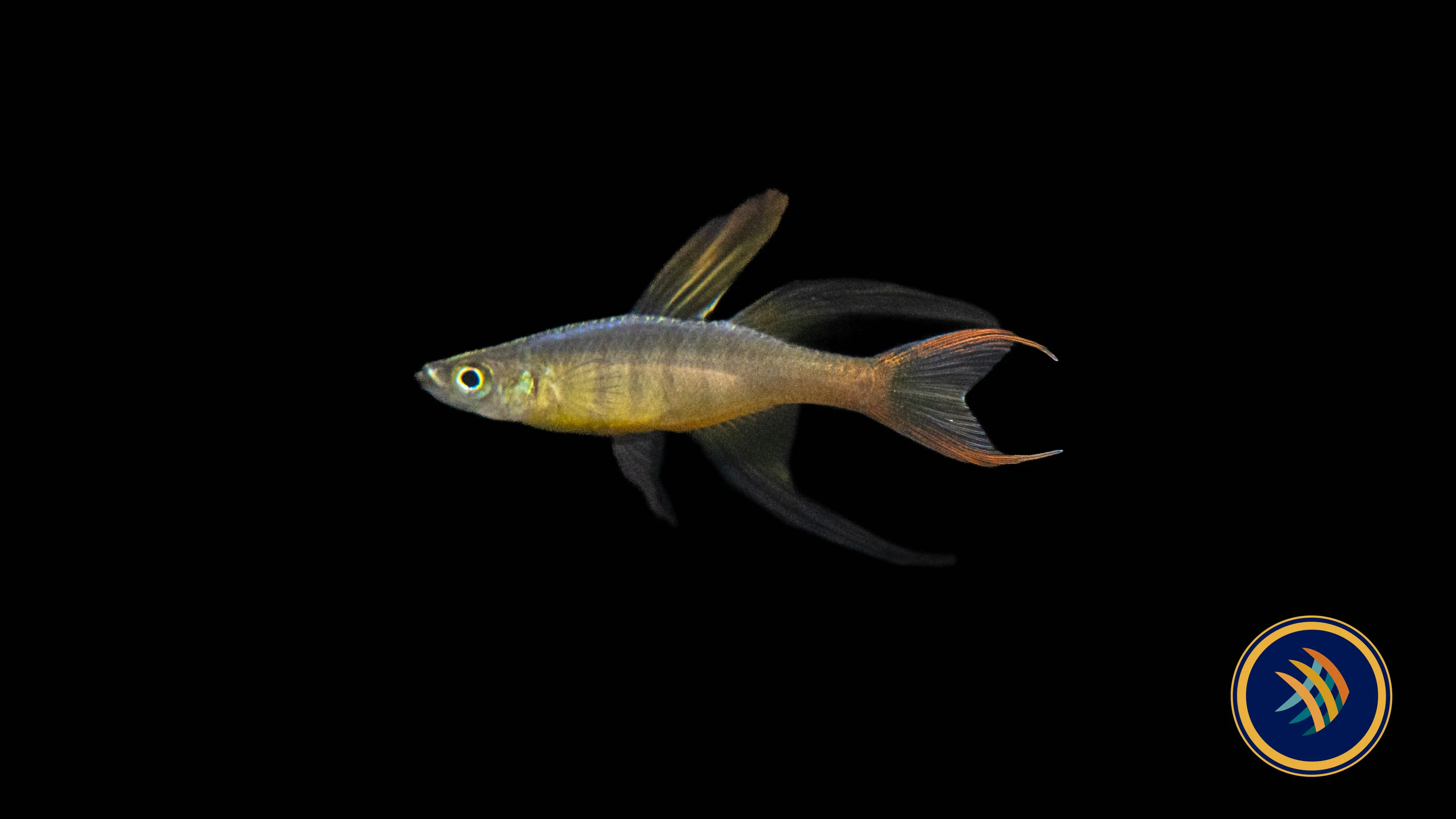
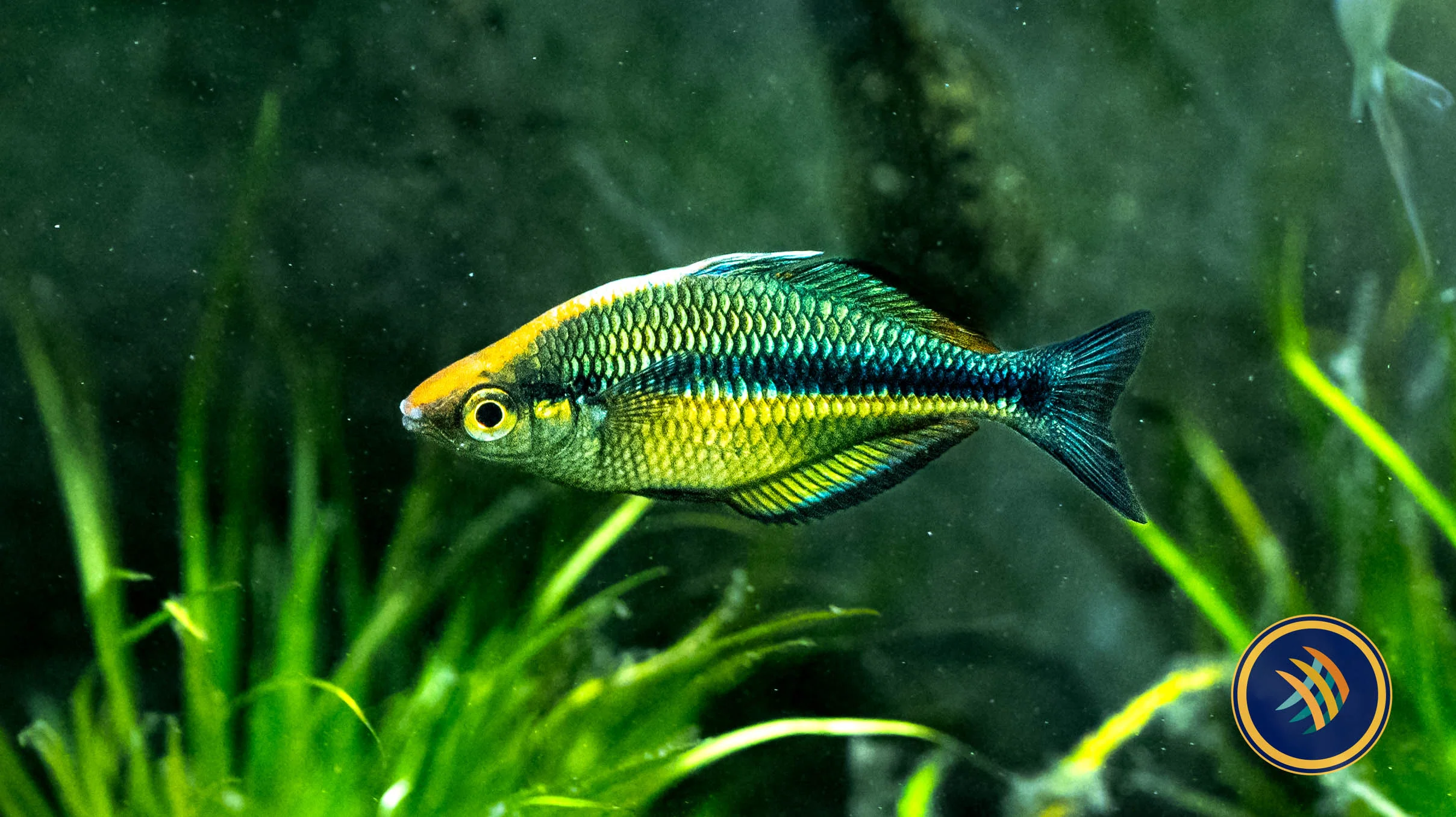
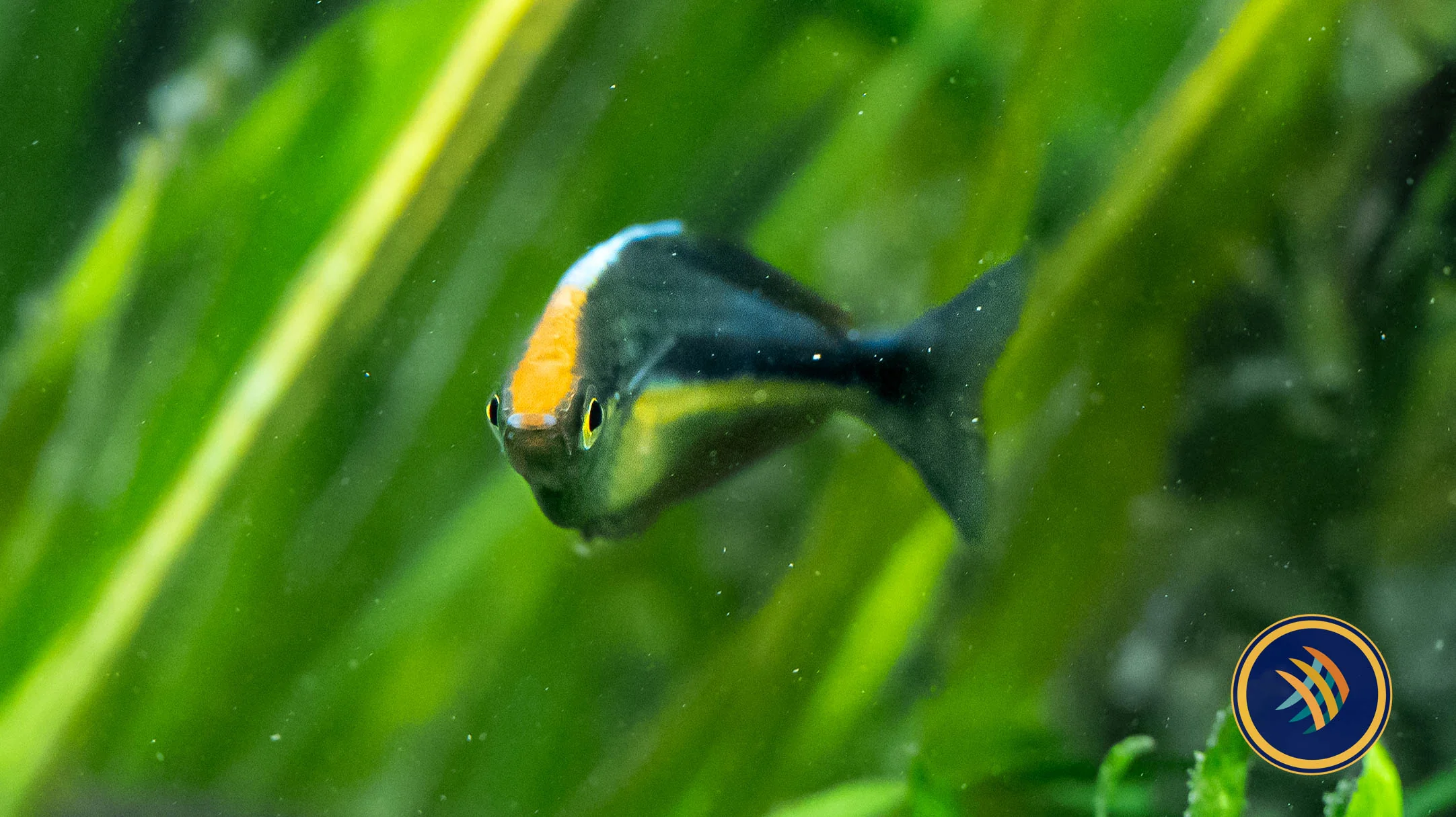
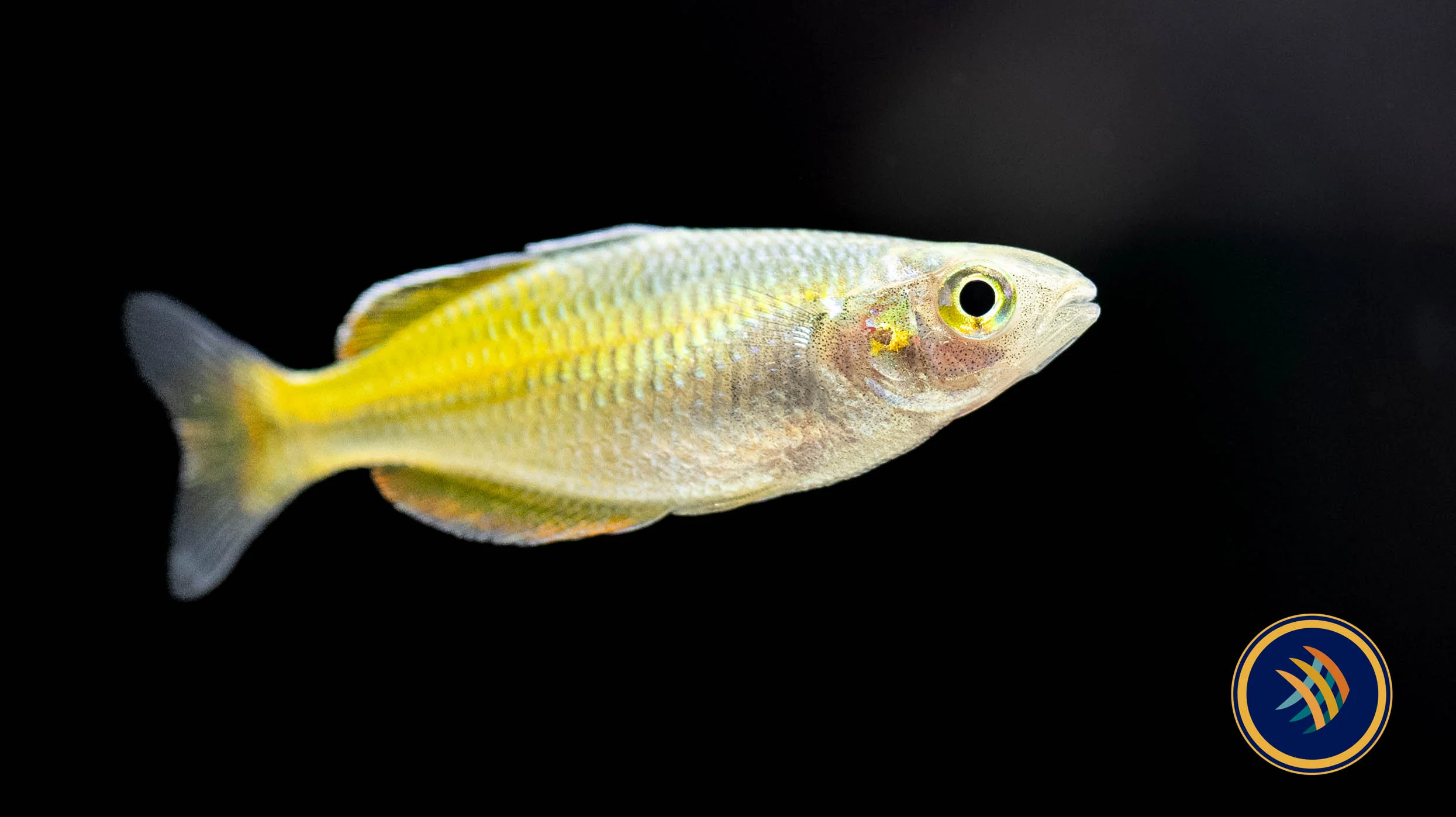
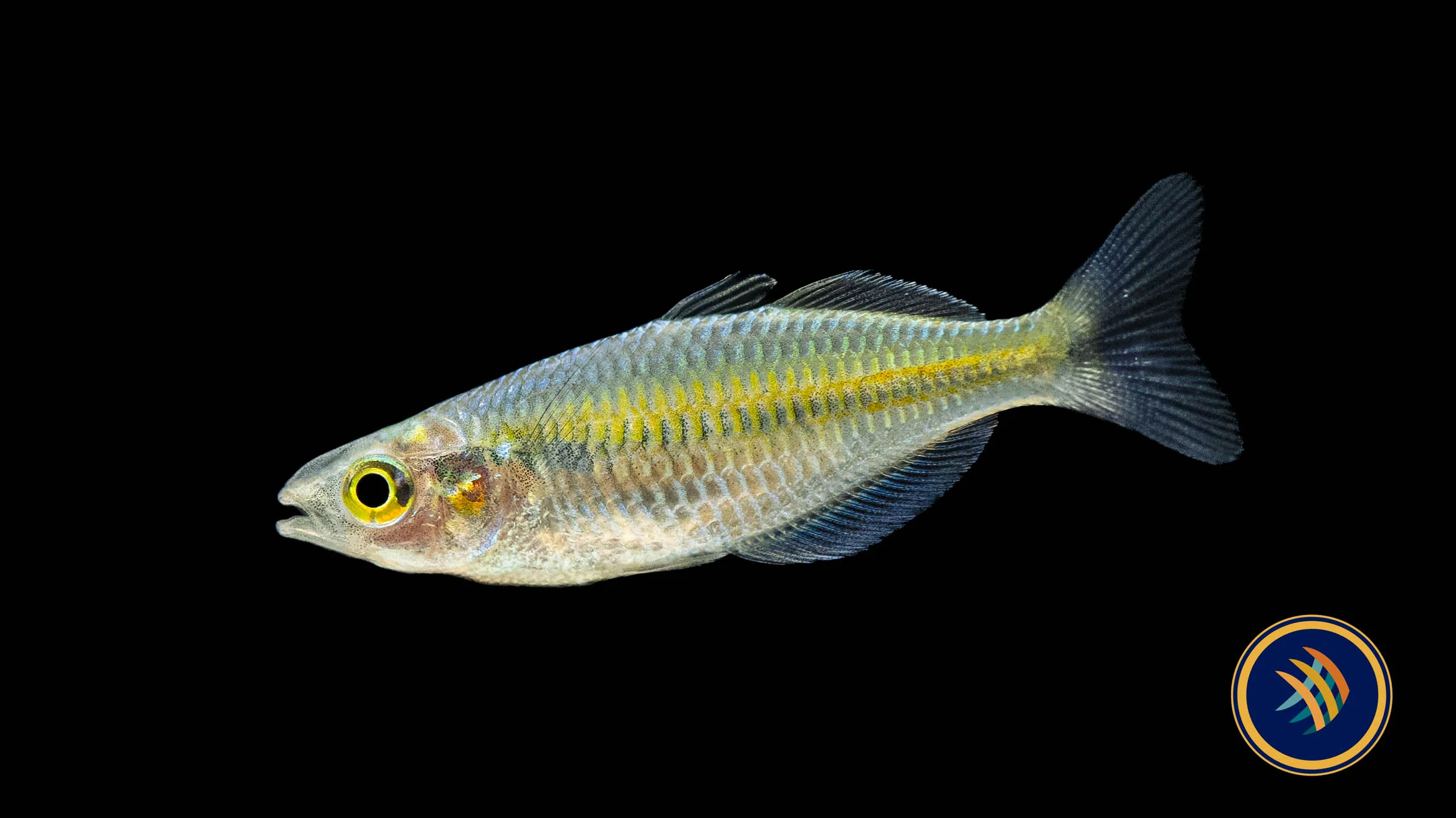
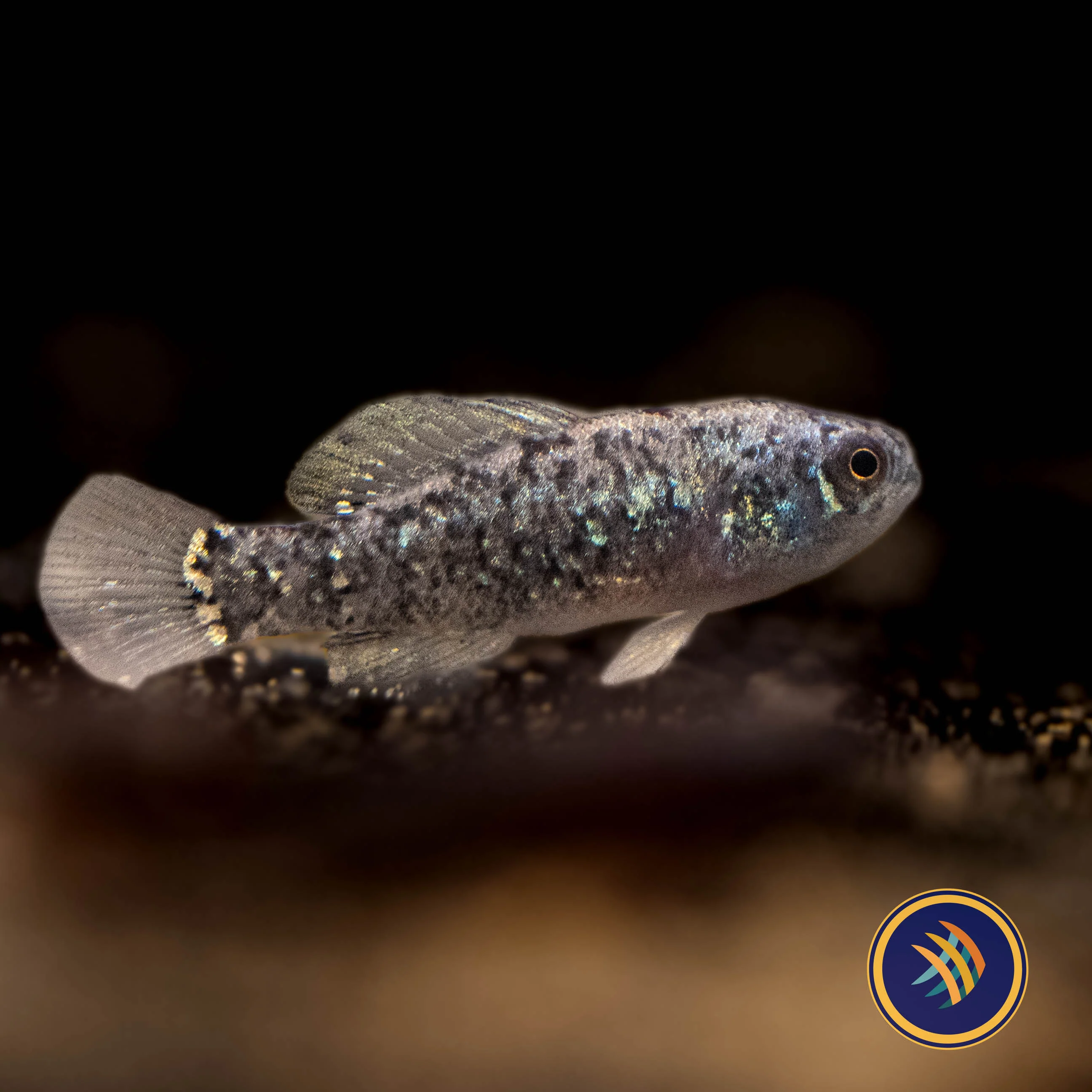
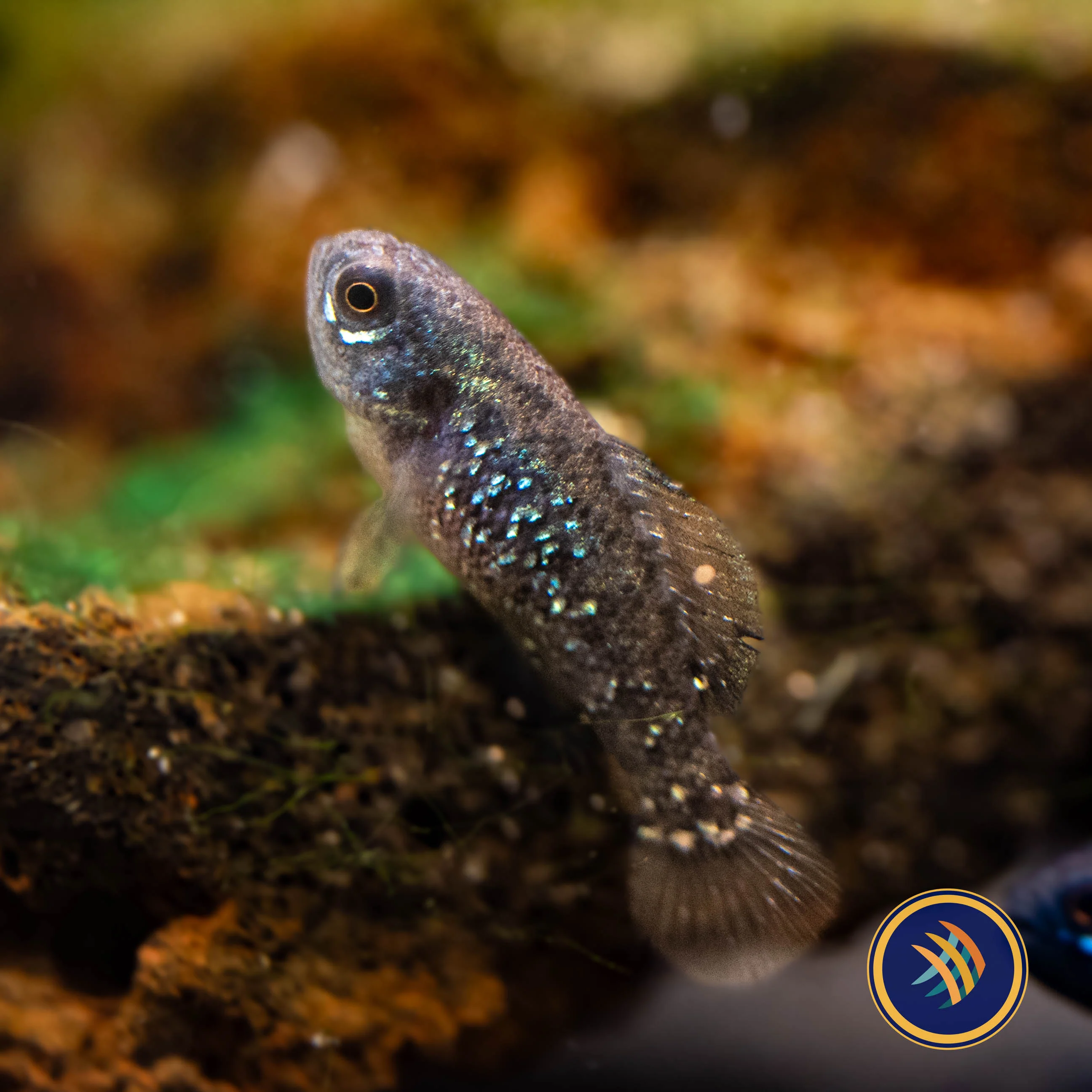
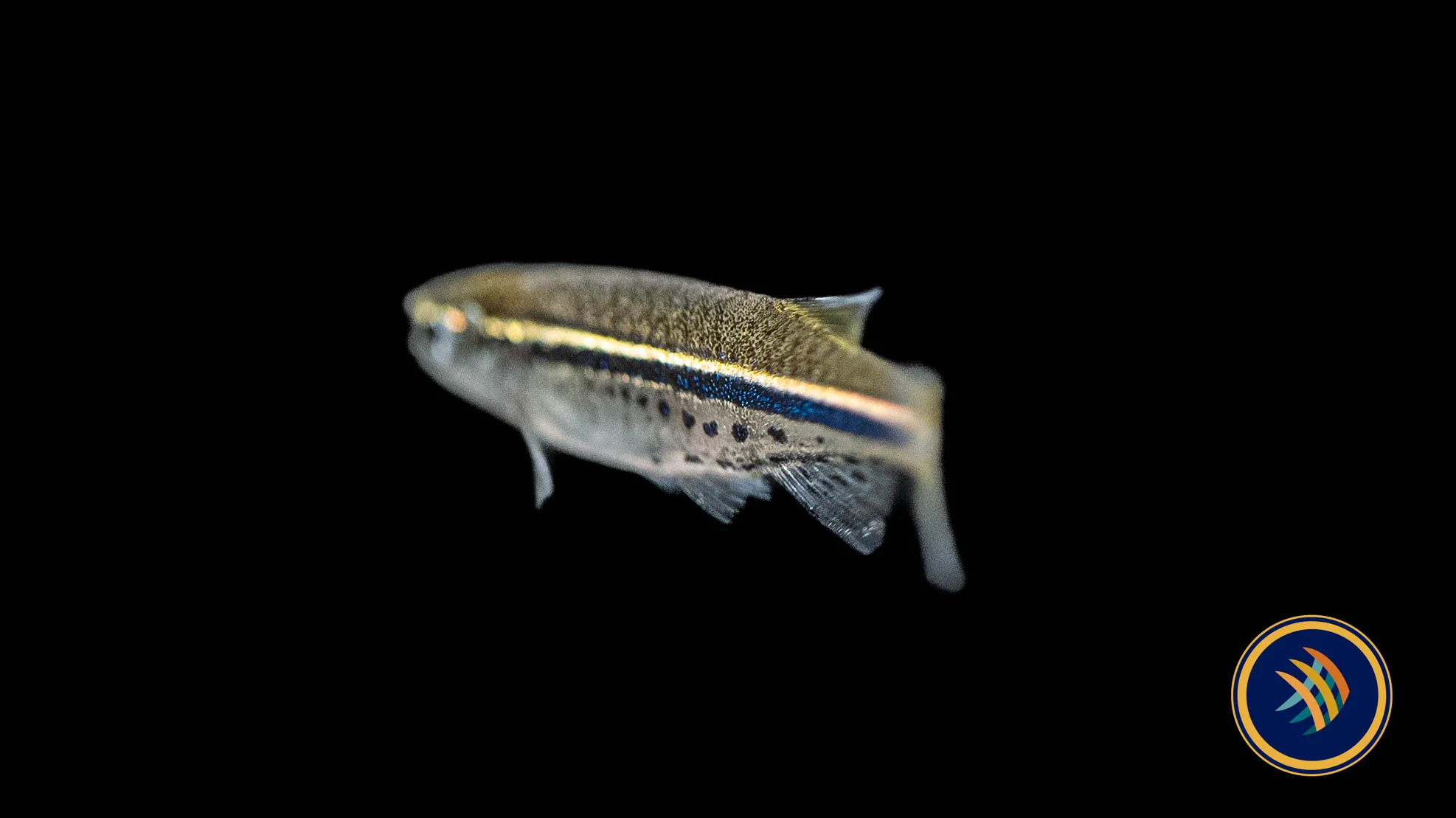
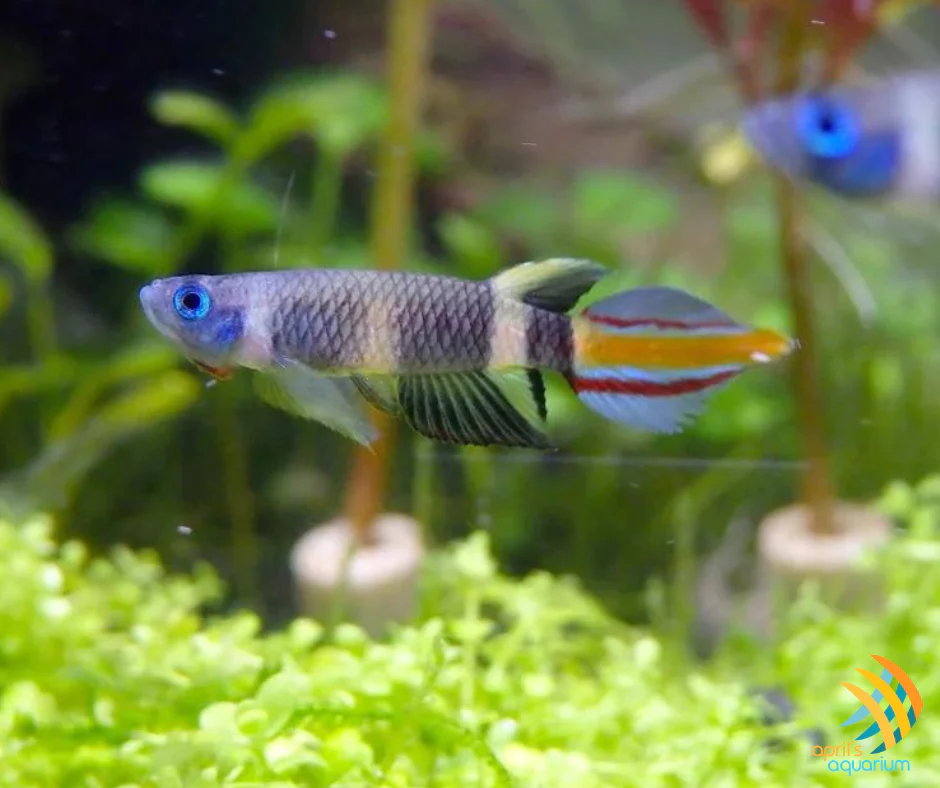
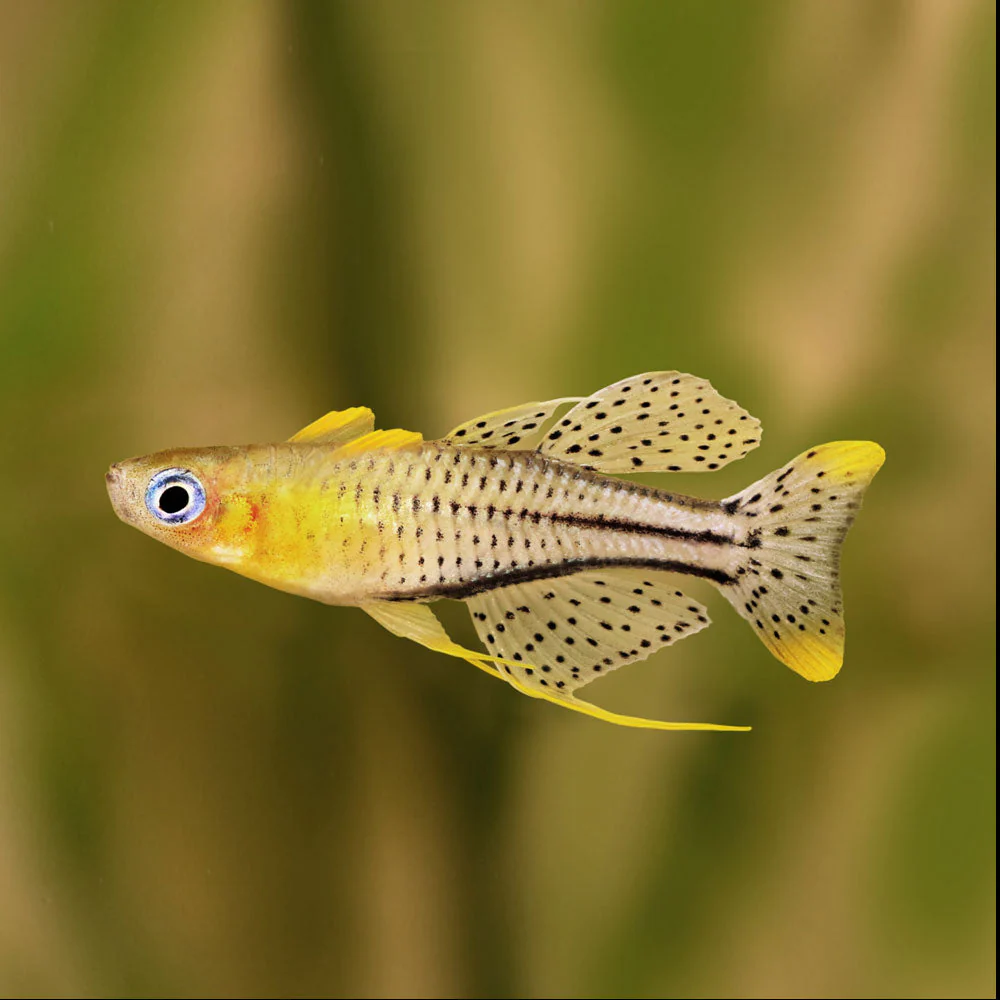
Gertrude’s Spotted Blue Eye Rainbowfish (Pseudomugil gertrudae) is a dazzling nano fish species native to Australia and New Guinea. Known for its electric blue eyes and spotted fins, it’s a favorite among aquascaping enthusiasts and nano tank keepers.
Species Overview
- Scientific Name: Pseudomugil gertrudae
- Common Names: Gertrude’s Rainbowfish, Spotted Blue Eye Rainbowfish
- Size: 2.5–4 cm (1–1.5 inches)
- Lifespan: 3–5 years
- Temperament: Peaceful, but males can be mildly territorial
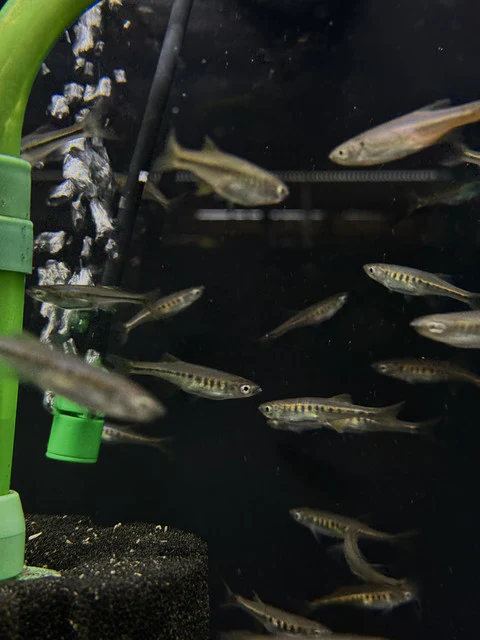
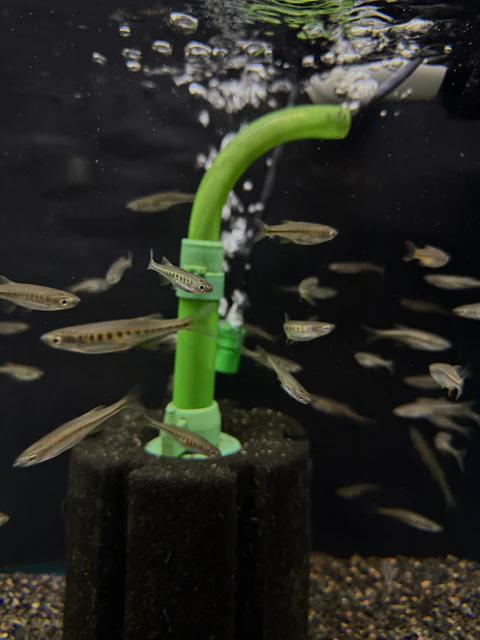
- Shoaling: Best kept in groups of 6–10+
Appearance
- Body: Semi-transparent silver-blue with a golden sheen
- Eyes: Bright electric blue
- Fins: Clear to yellowish with orange/red tips and black spots
- Males: More colorful with elongated fins and intense spotting during breeding
Tank Setup
- Minimum Tank Size: 10 gallons
- Water Temperature: 72–82°F (22–28°C)
- pH: 6.5–7.5
- Hardness: Soft to moderately hard
- Substrate: Dark sand or gravel to enhance colors
- Décor: Driftwood, leaf litter, caves, and dense live plants like Java Fern, Anubias, and Water Wisteria
- Filtration: Gentle flow; avoid strong currents
- Lighting: Moderate
Diet
- Type: Omnivore
-
Preferred Foods:
- Live/frozen: Brine shrimp, daphnia, bloodworms
- Dry: Micro pellets, high-quality flakes
- Plant-based: Algae flakes, blanched veggies
- Feeding Frequency: 2–3 times daily in small portions
Tank Mates
Ideal companions include:
- Neon Tetras
- Ember Tetras
- Celestial Pearl Danios
- Pygmy Corydoras
- Cherry Shrimp
- Otocinclus Catfish
Avoid:
- Large or aggressive fish
- Fast swimmers that may outcompete them
Breeding
- Method: Egg scatterers
- Setup: Separate breeding tank with fine-leaved plants or spawning mops
- Spawning: Males court females with color displays; eggs are laid and scattered
-
Fry Care:
- Feed infusoria or powdered fry food initially
- Transition to baby brine shrimp after 5 days
- Remove adults post-spawning to prevent predation
$2.55
Original: $8.49
-70%Gertrude's Spotted Blue Eye Rainbow—
$8.49
$2.55Product Information
Product Information
Shipping & Returns
Shipping & Returns
Description
Gertrude’s Spotted Blue Eye Rainbowfish (Pseudomugil gertrudae) is a dazzling nano fish species native to Australia and New Guinea. Known for its electric blue eyes and spotted fins, it’s a favorite among aquascaping enthusiasts and nano tank keepers.
Species Overview
- Scientific Name: Pseudomugil gertrudae
- Common Names: Gertrude’s Rainbowfish, Spotted Blue Eye Rainbowfish
- Size: 2.5–4 cm (1–1.5 inches)
- Lifespan: 3–5 years
- Temperament: Peaceful, but males can be mildly territorial
- Shoaling: Best kept in groups of 6–10+
Appearance
- Body: Semi-transparent silver-blue with a golden sheen
- Eyes: Bright electric blue
- Fins: Clear to yellowish with orange/red tips and black spots
- Males: More colorful with elongated fins and intense spotting during breeding
Tank Setup
- Minimum Tank Size: 10 gallons
- Water Temperature: 72–82°F (22–28°C)
- pH: 6.5–7.5
- Hardness: Soft to moderately hard
- Substrate: Dark sand or gravel to enhance colors
- Décor: Driftwood, leaf litter, caves, and dense live plants like Java Fern, Anubias, and Water Wisteria
- Filtration: Gentle flow; avoid strong currents
- Lighting: Moderate
Diet
- Type: Omnivore
-
Preferred Foods:
- Live/frozen: Brine shrimp, daphnia, bloodworms
- Dry: Micro pellets, high-quality flakes
- Plant-based: Algae flakes, blanched veggies
- Feeding Frequency: 2–3 times daily in small portions
Tank Mates
Ideal companions include:
- Neon Tetras
- Ember Tetras
- Celestial Pearl Danios
- Pygmy Corydoras
- Cherry Shrimp
- Otocinclus Catfish
Avoid:
- Large or aggressive fish
- Fast swimmers that may outcompete them
Breeding
- Method: Egg scatterers
- Setup: Separate breeding tank with fine-leaved plants or spawning mops
- Spawning: Males court females with color displays; eggs are laid and scattered
-
Fry Care:
- Feed infusoria or powdered fry food initially
- Transition to baby brine shrimp after 5 days
- Remove adults post-spawning to prevent predation