🚚 Free Worldwide Shipping on All Orders!Shop Now
1 / 6
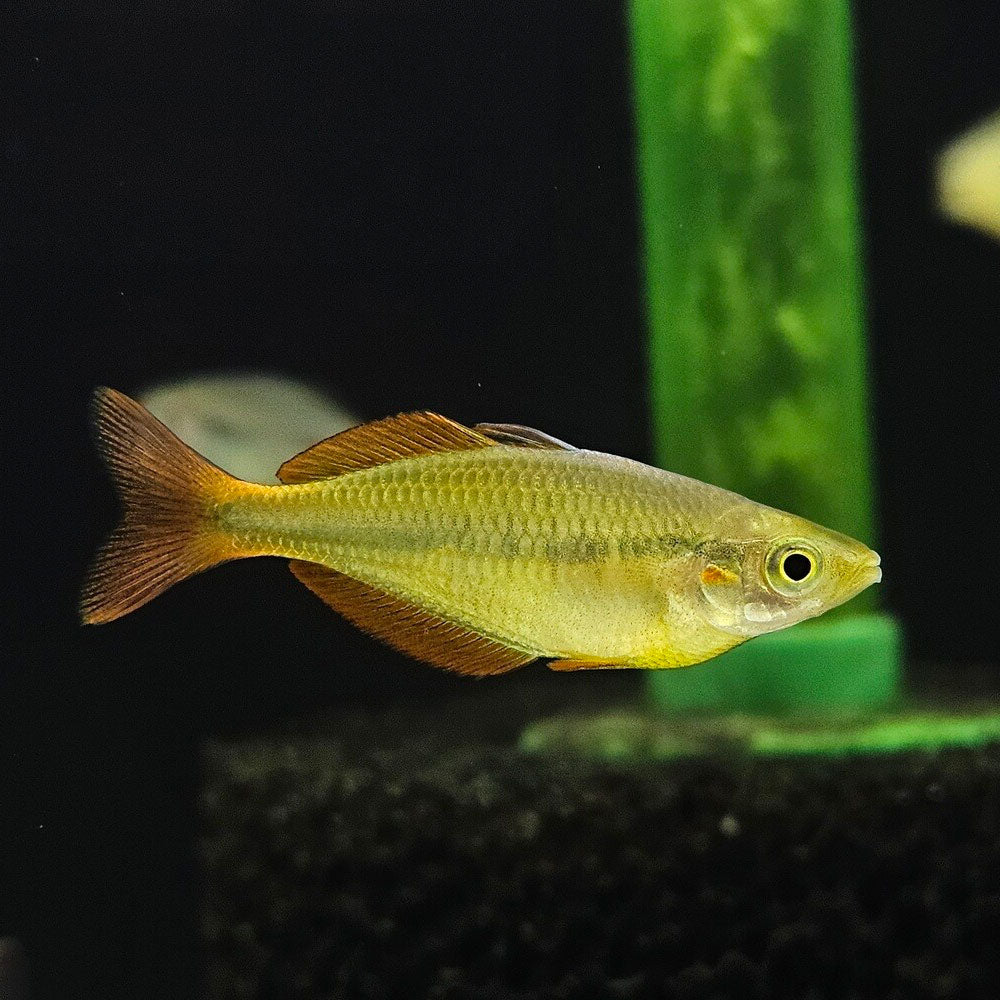
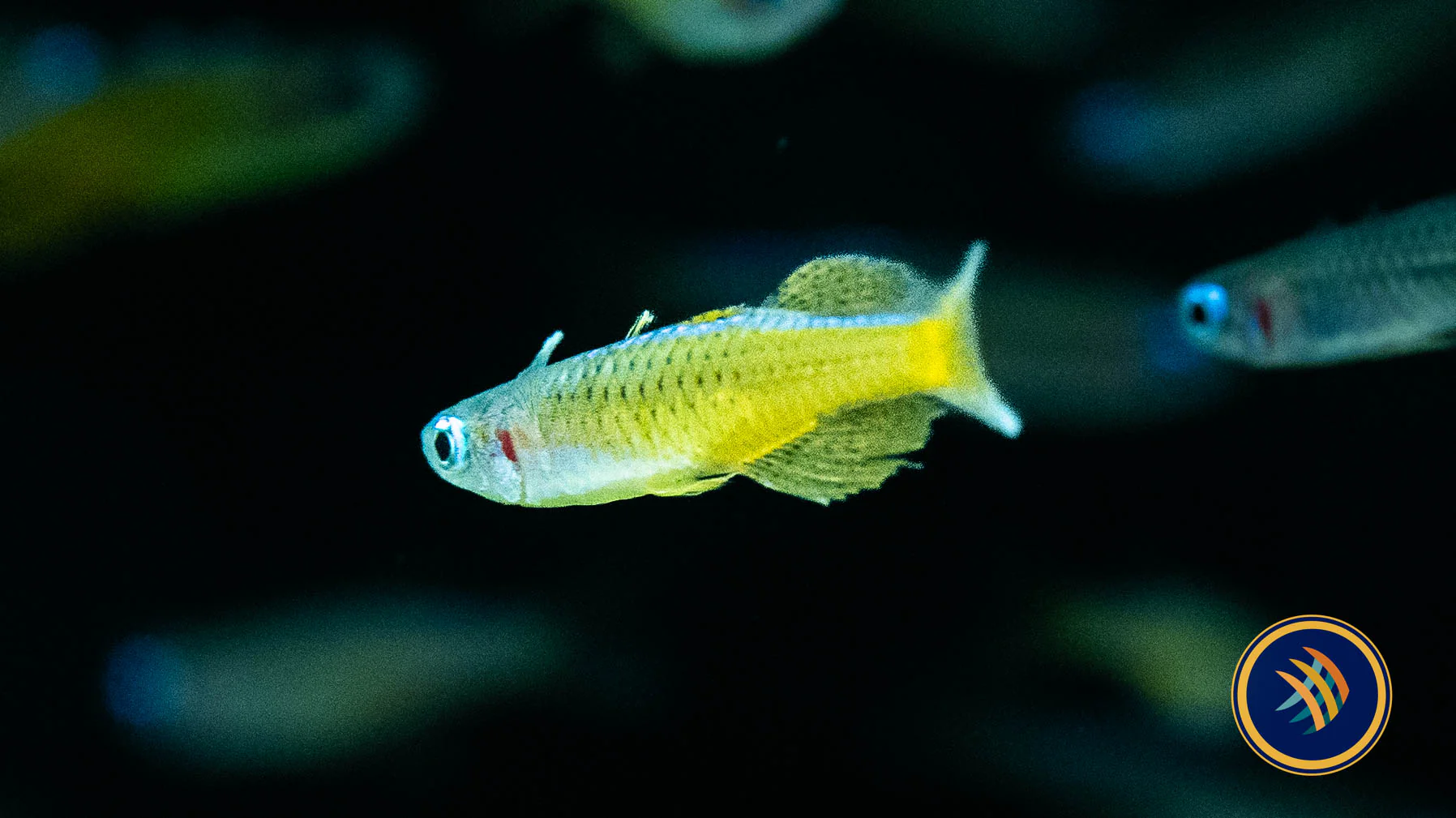
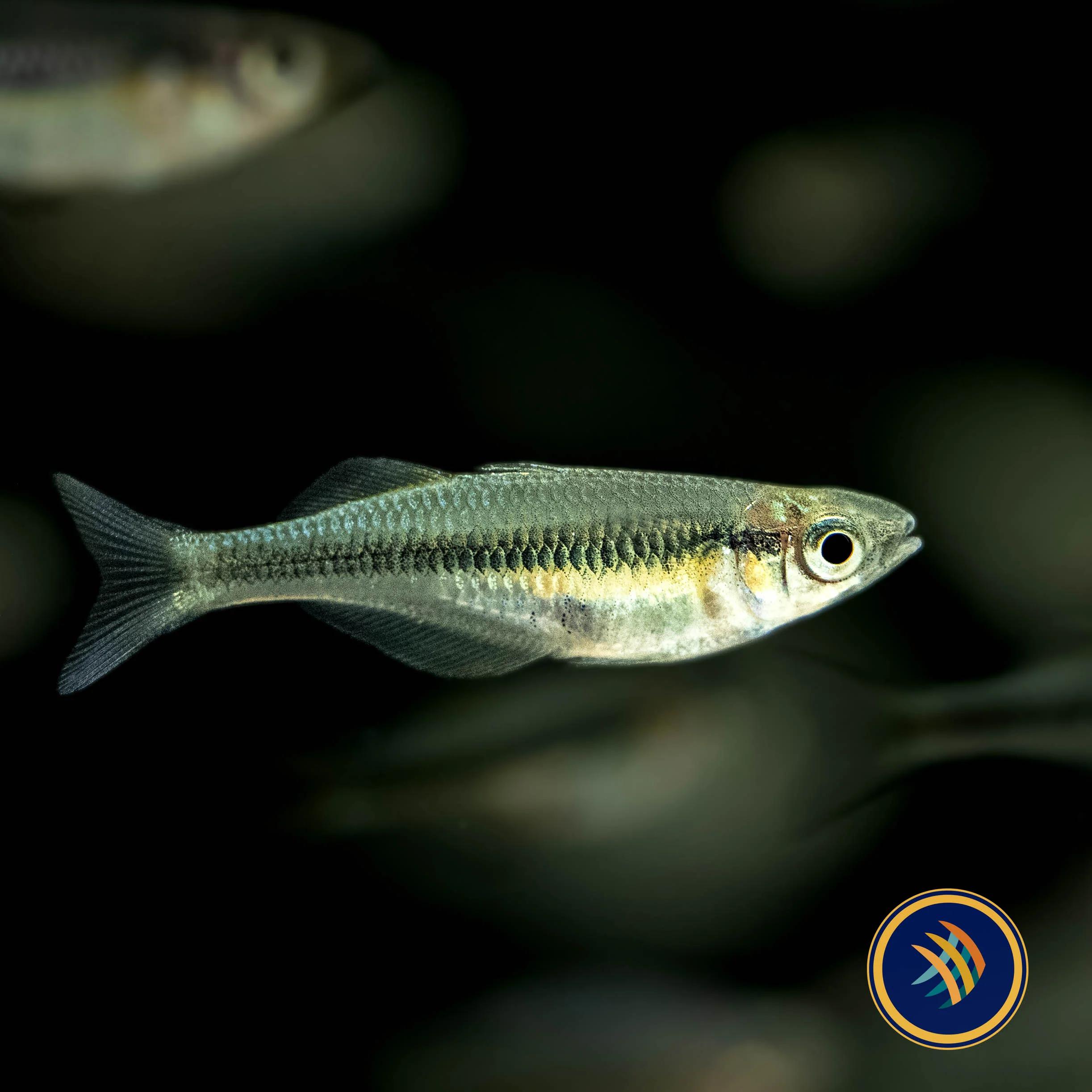
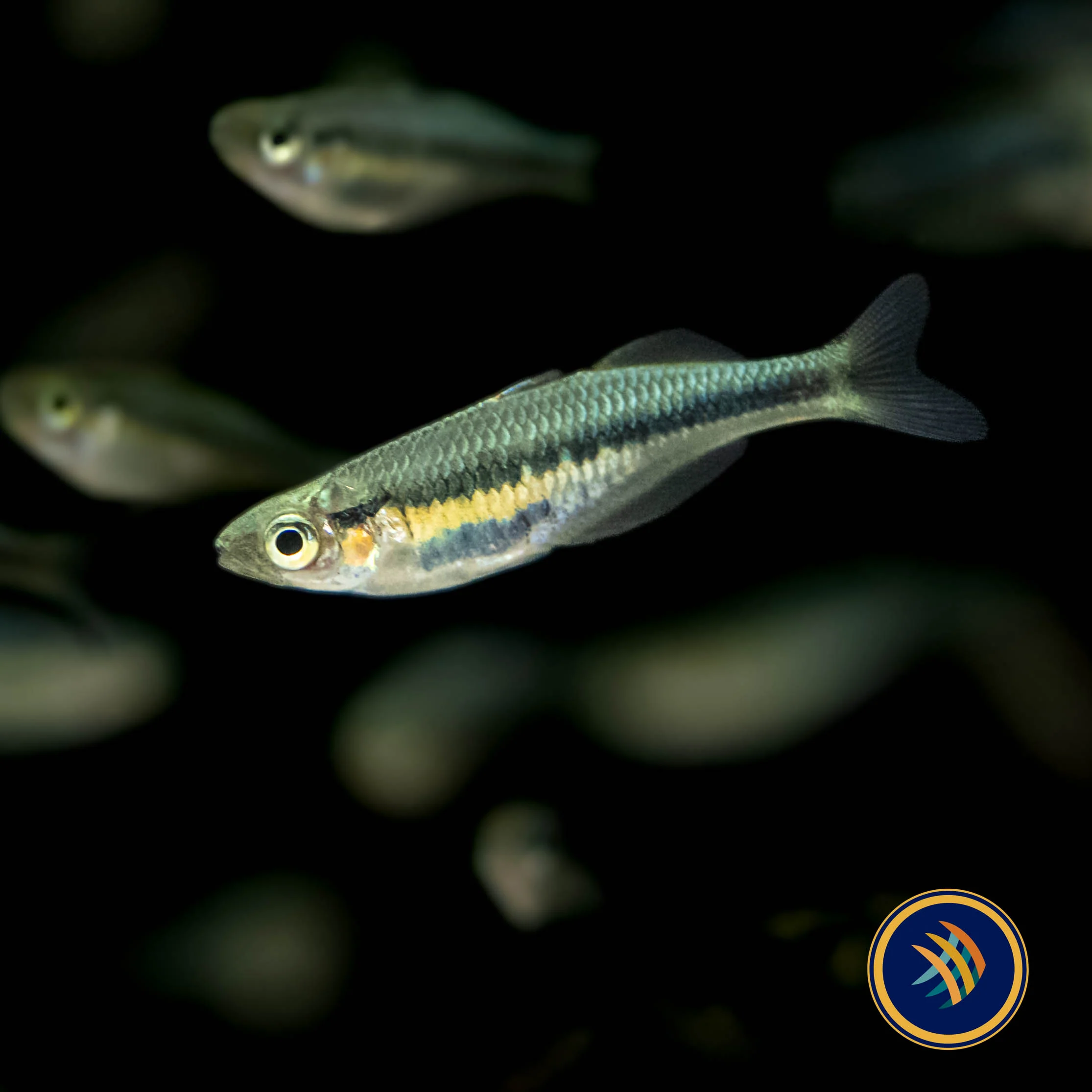
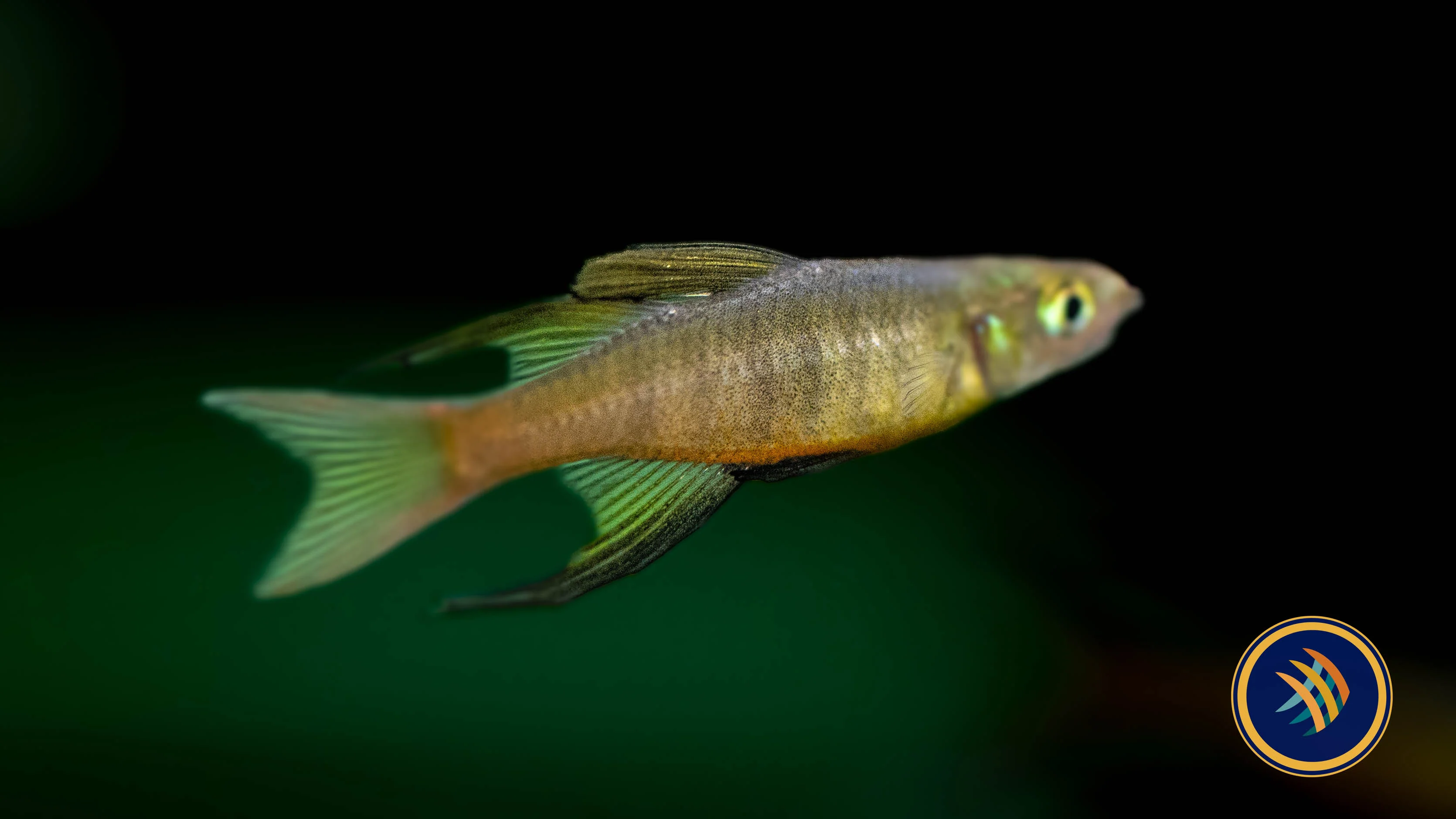
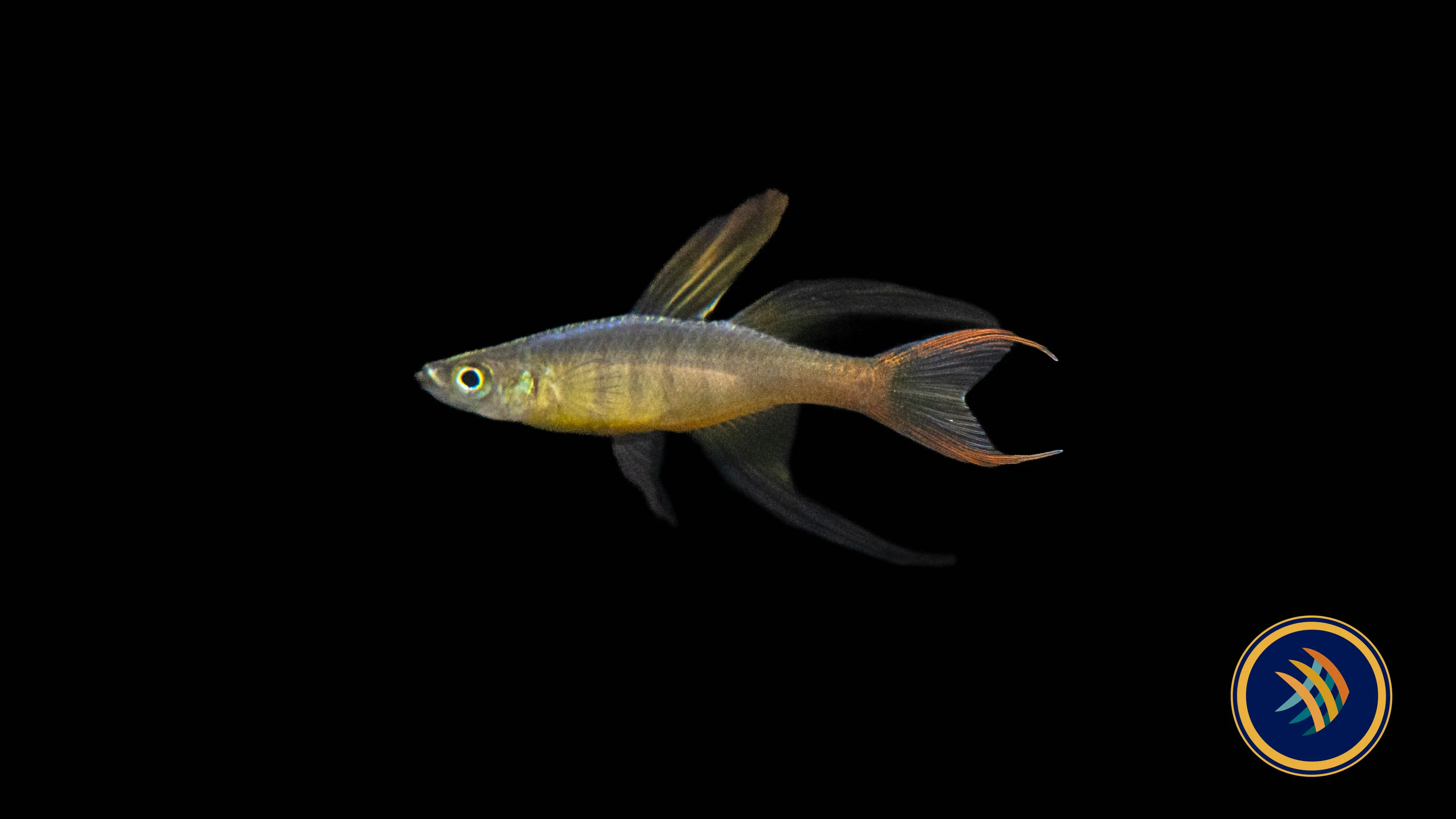
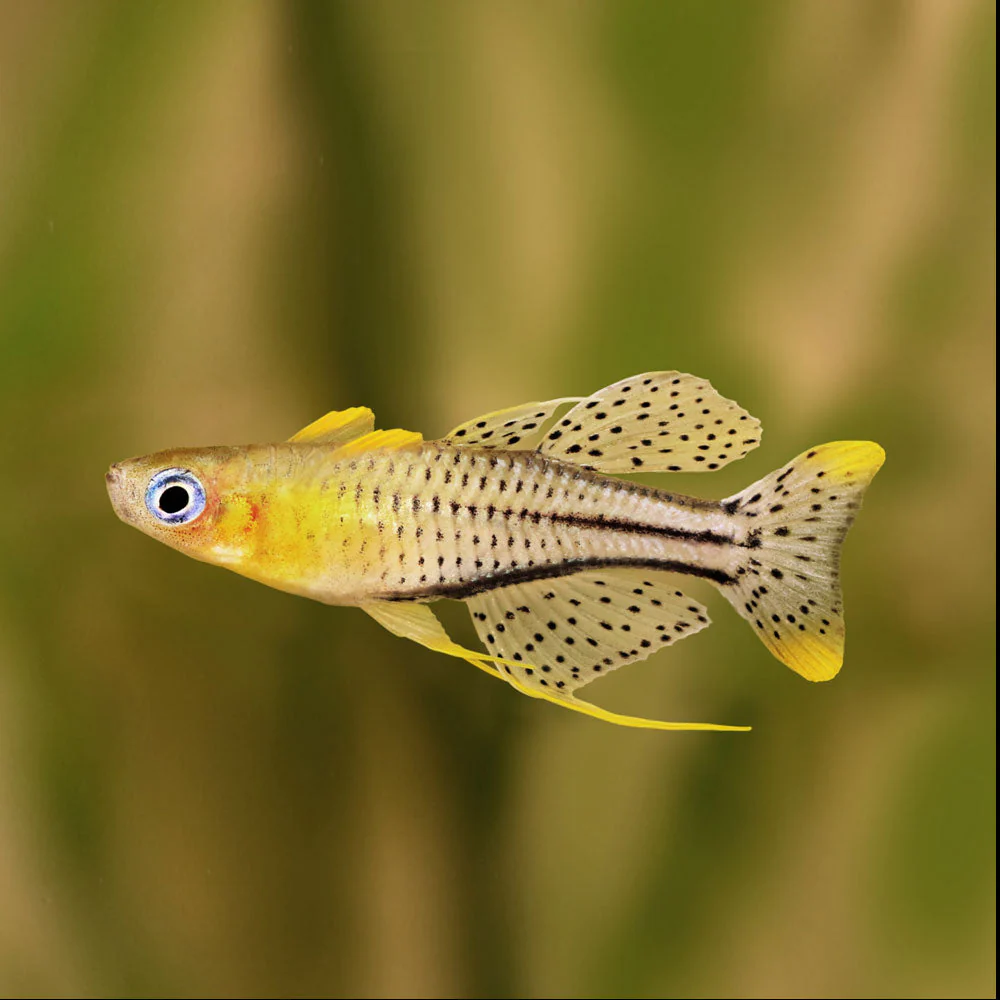
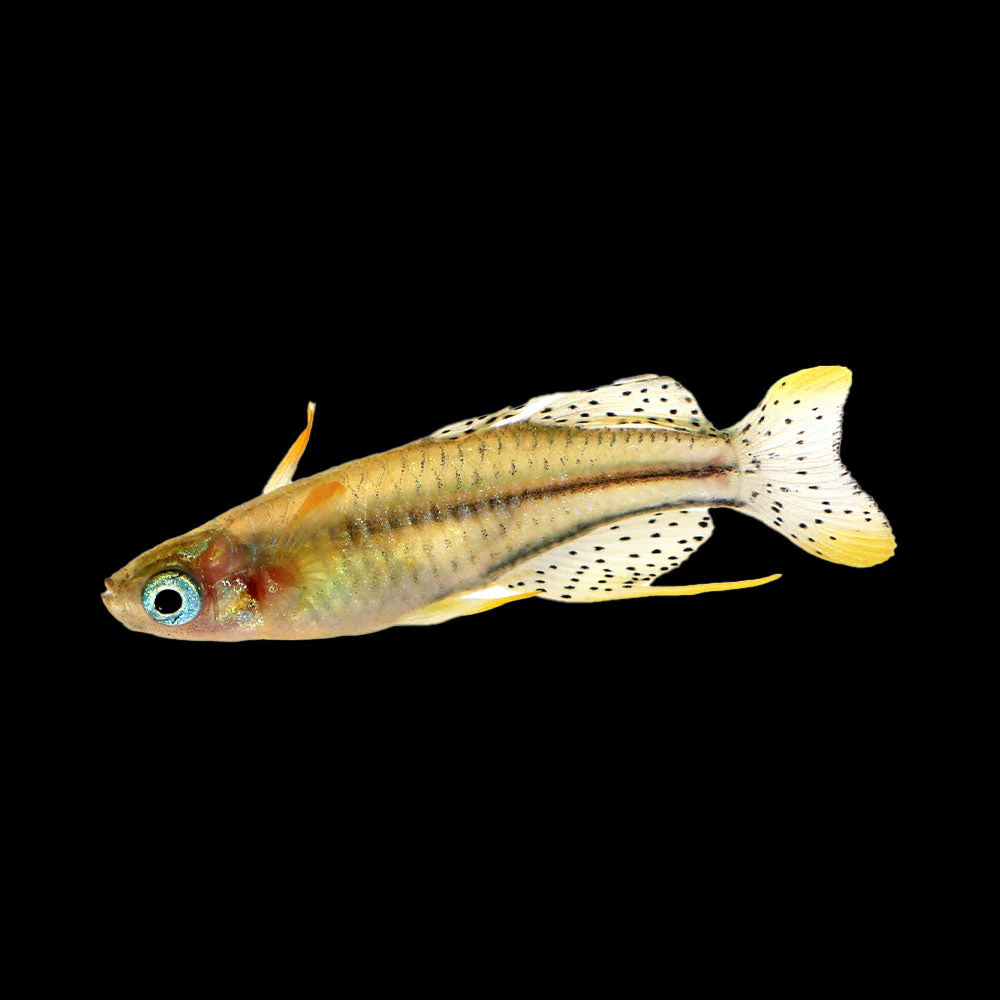
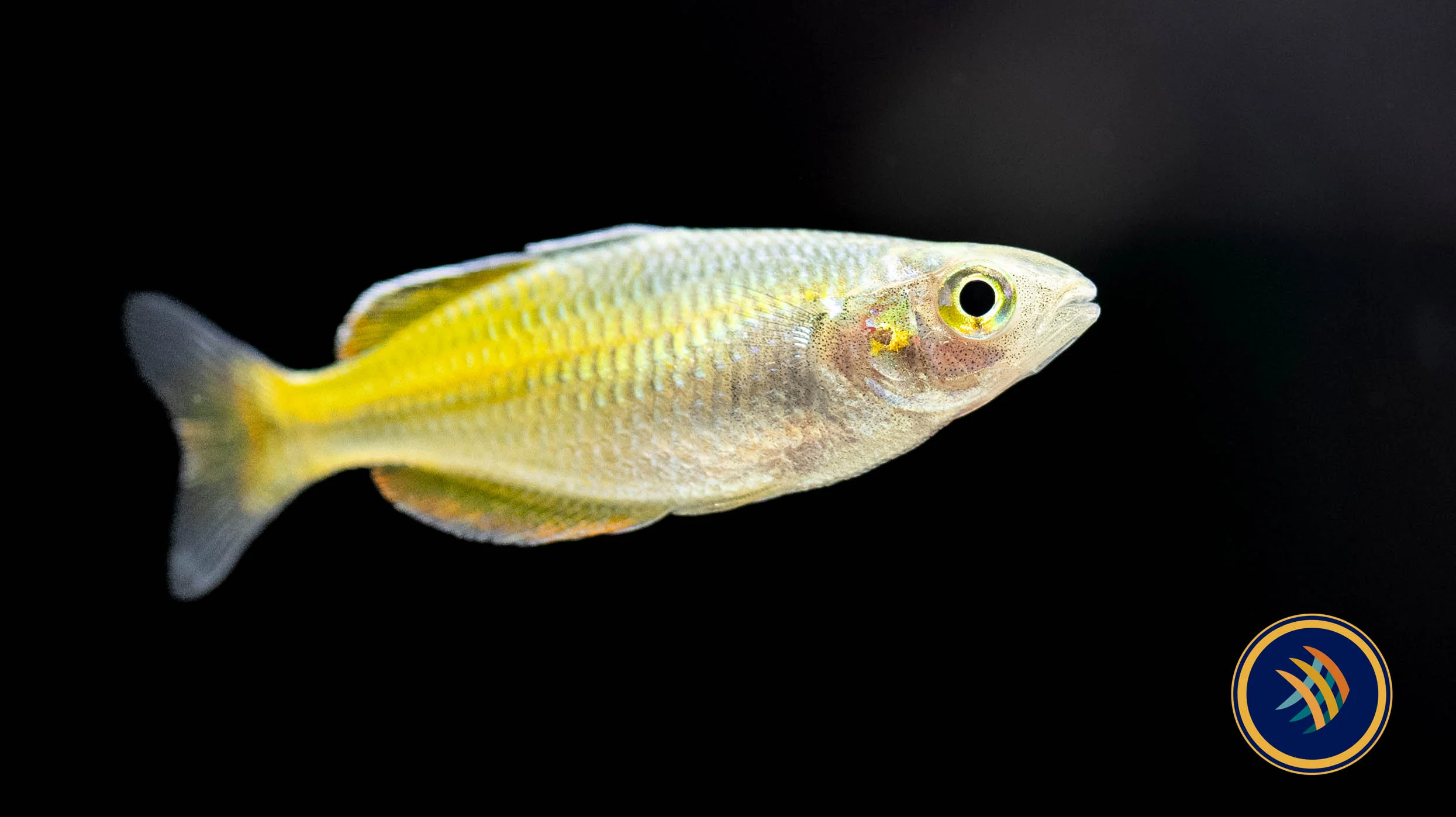
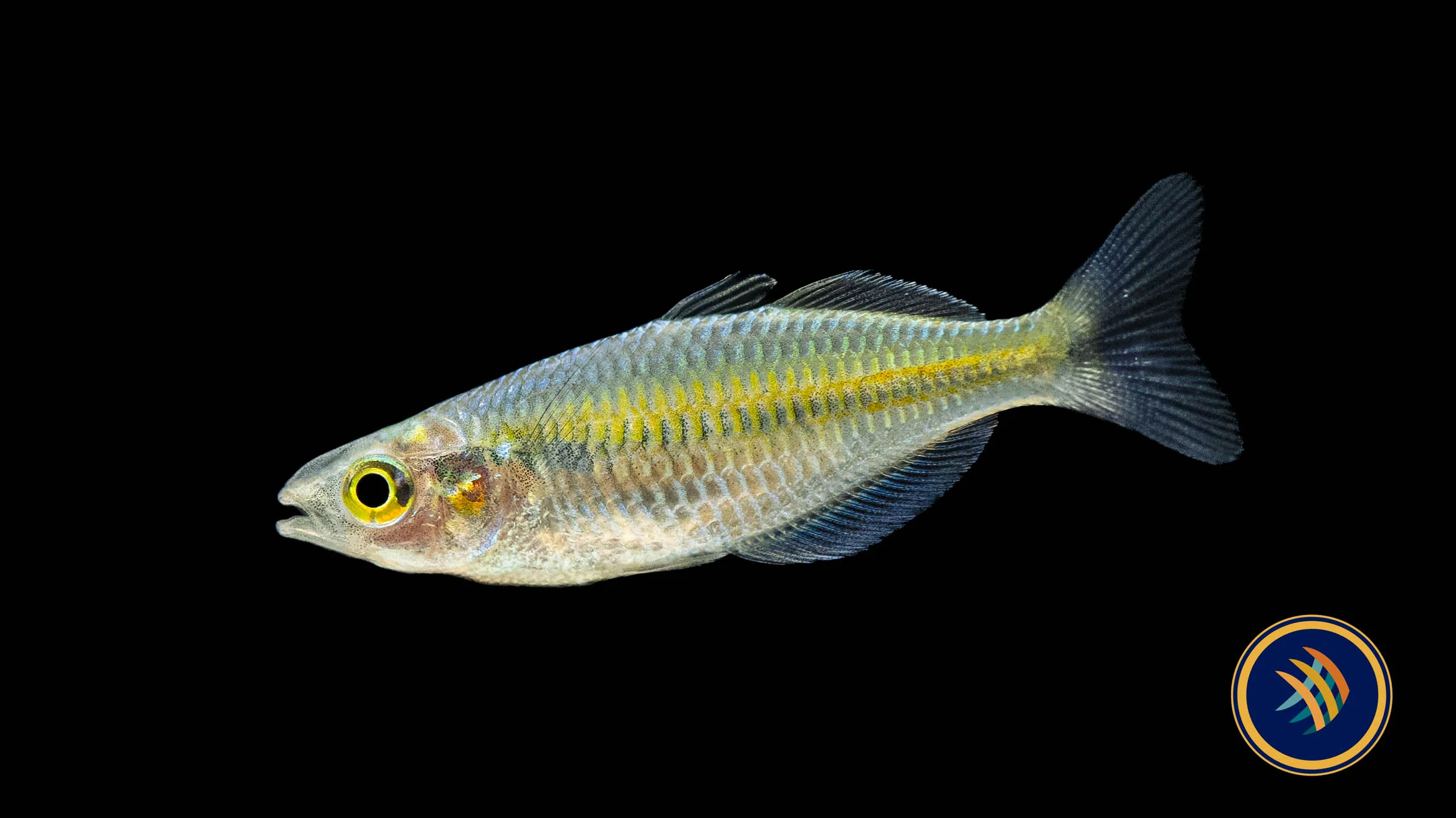
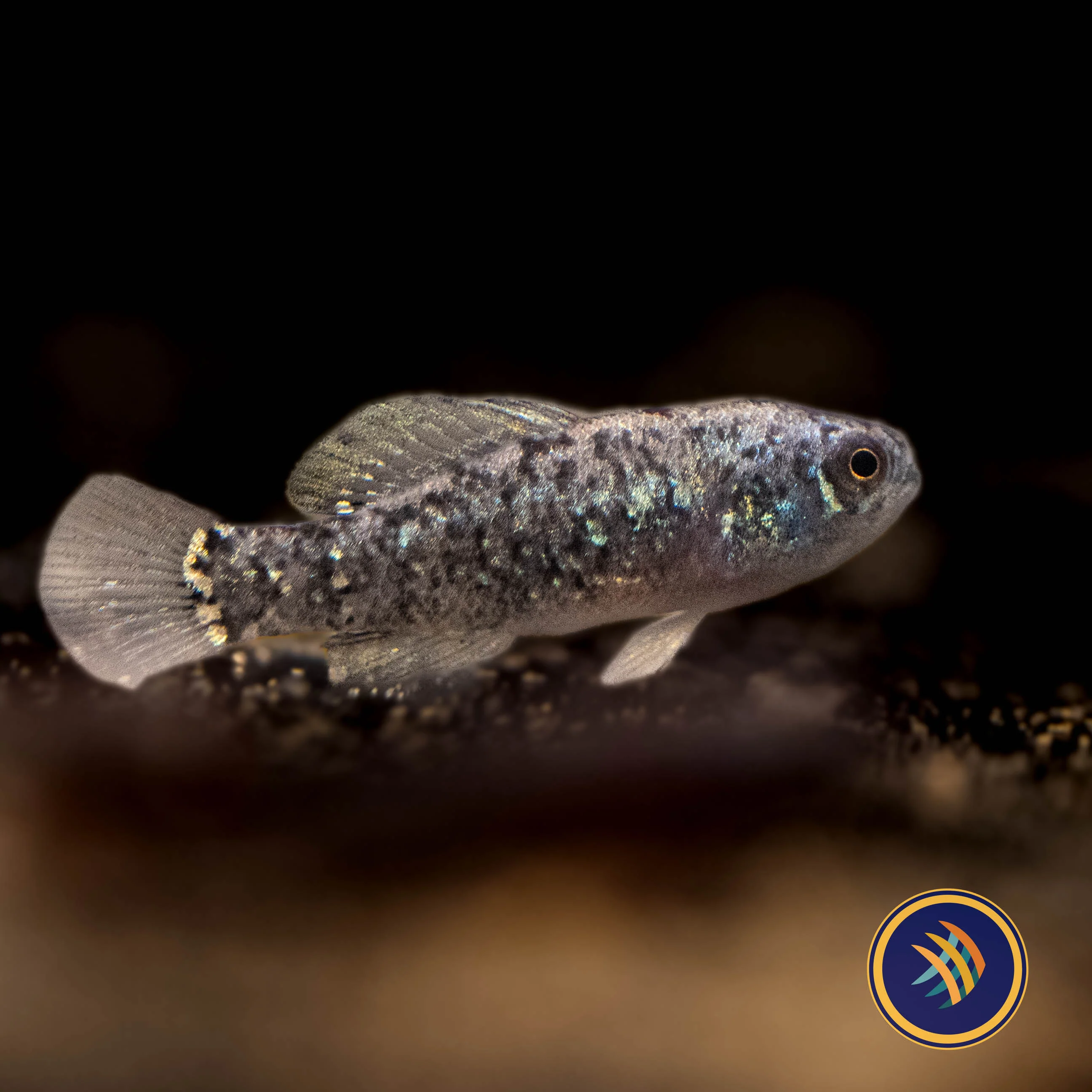
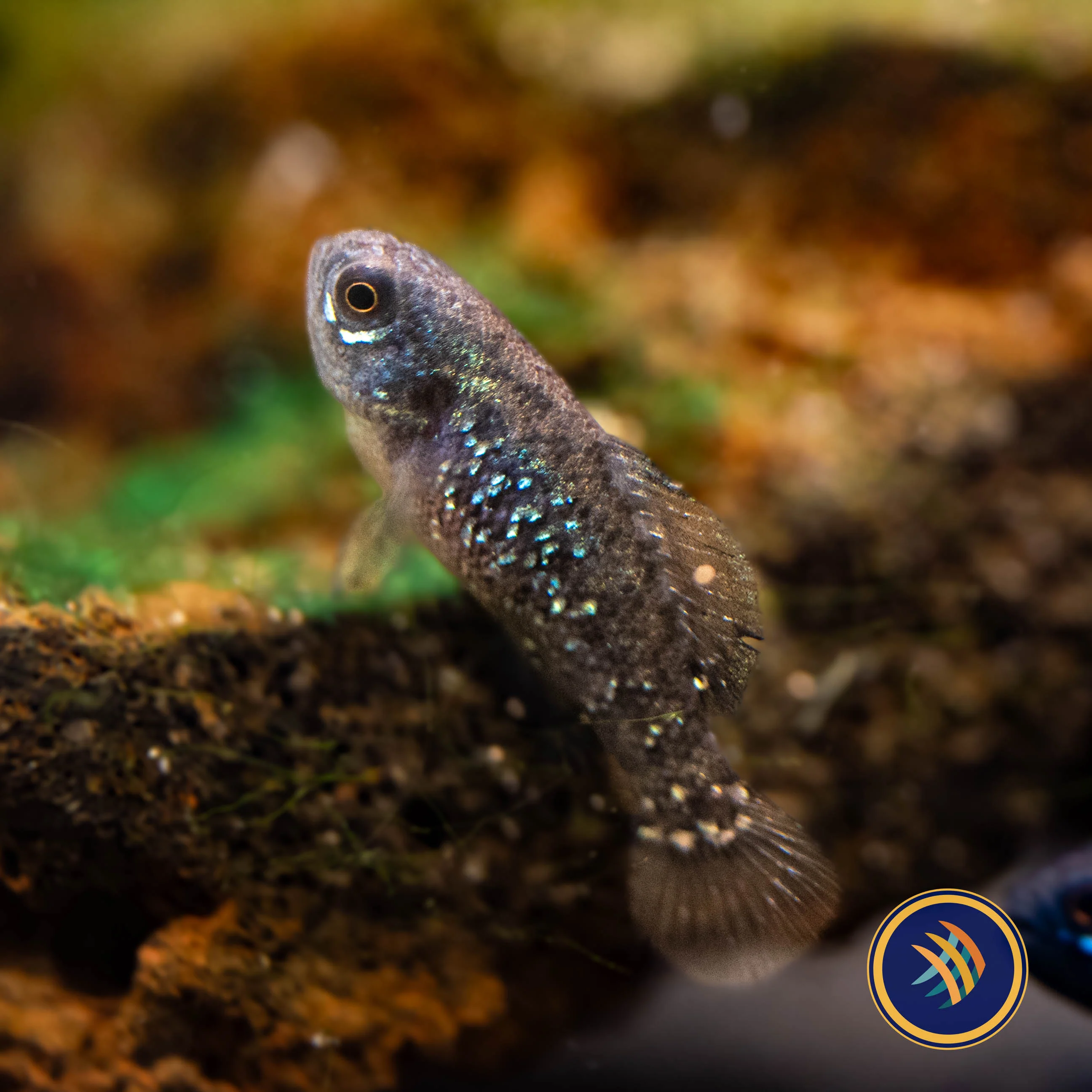
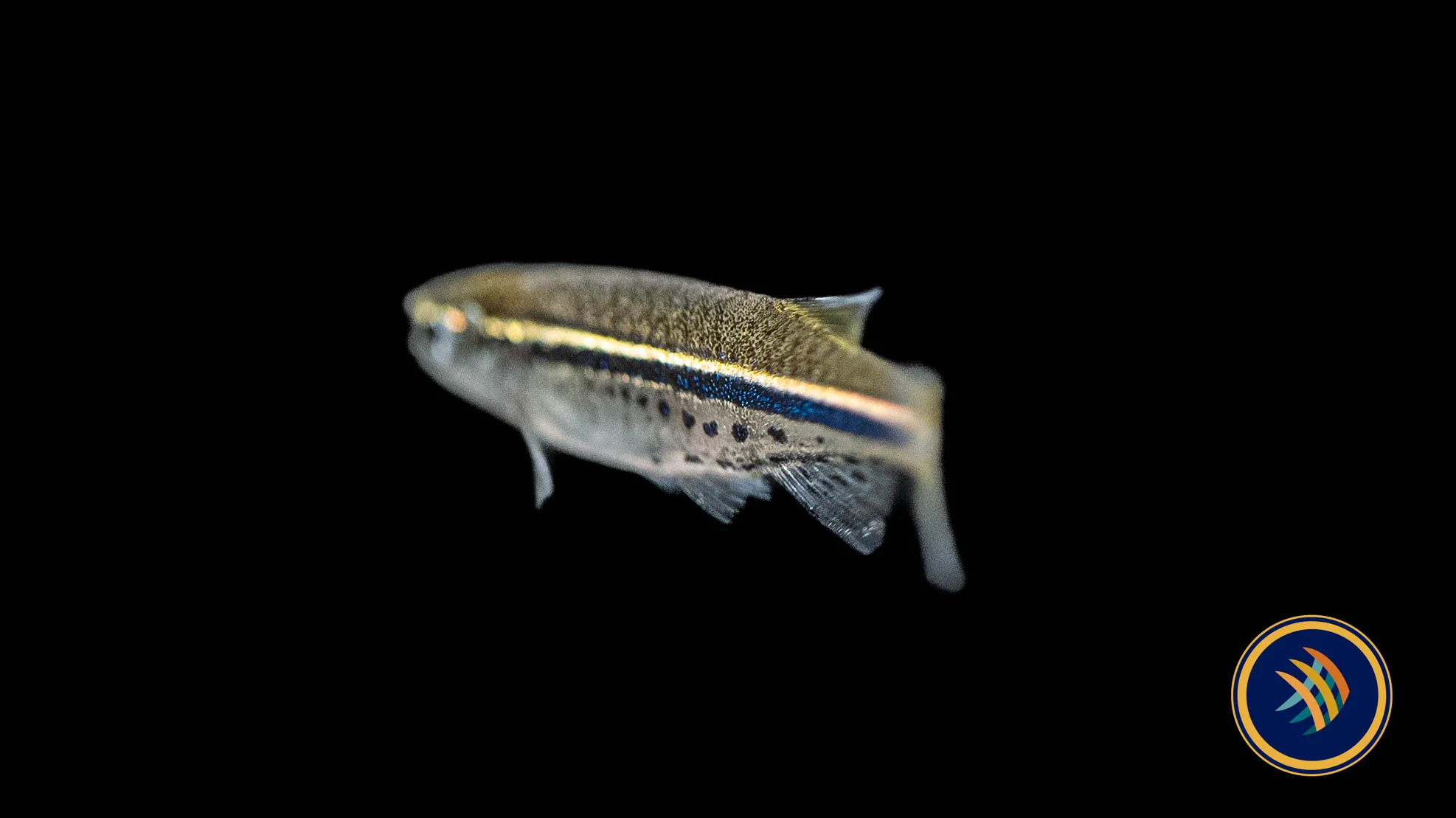
Clown Killi (Epiplatys annulatus)
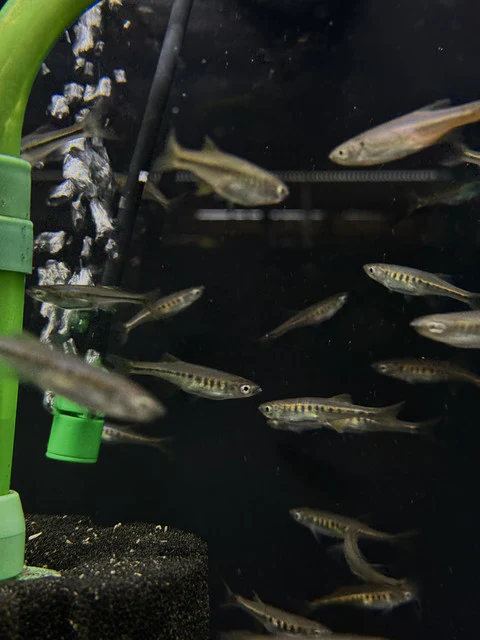
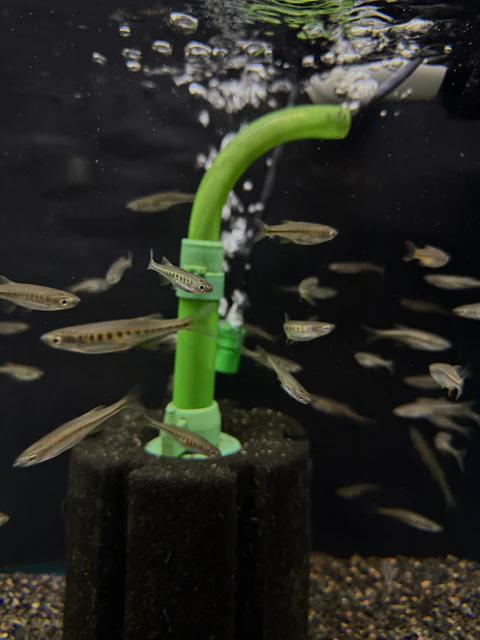
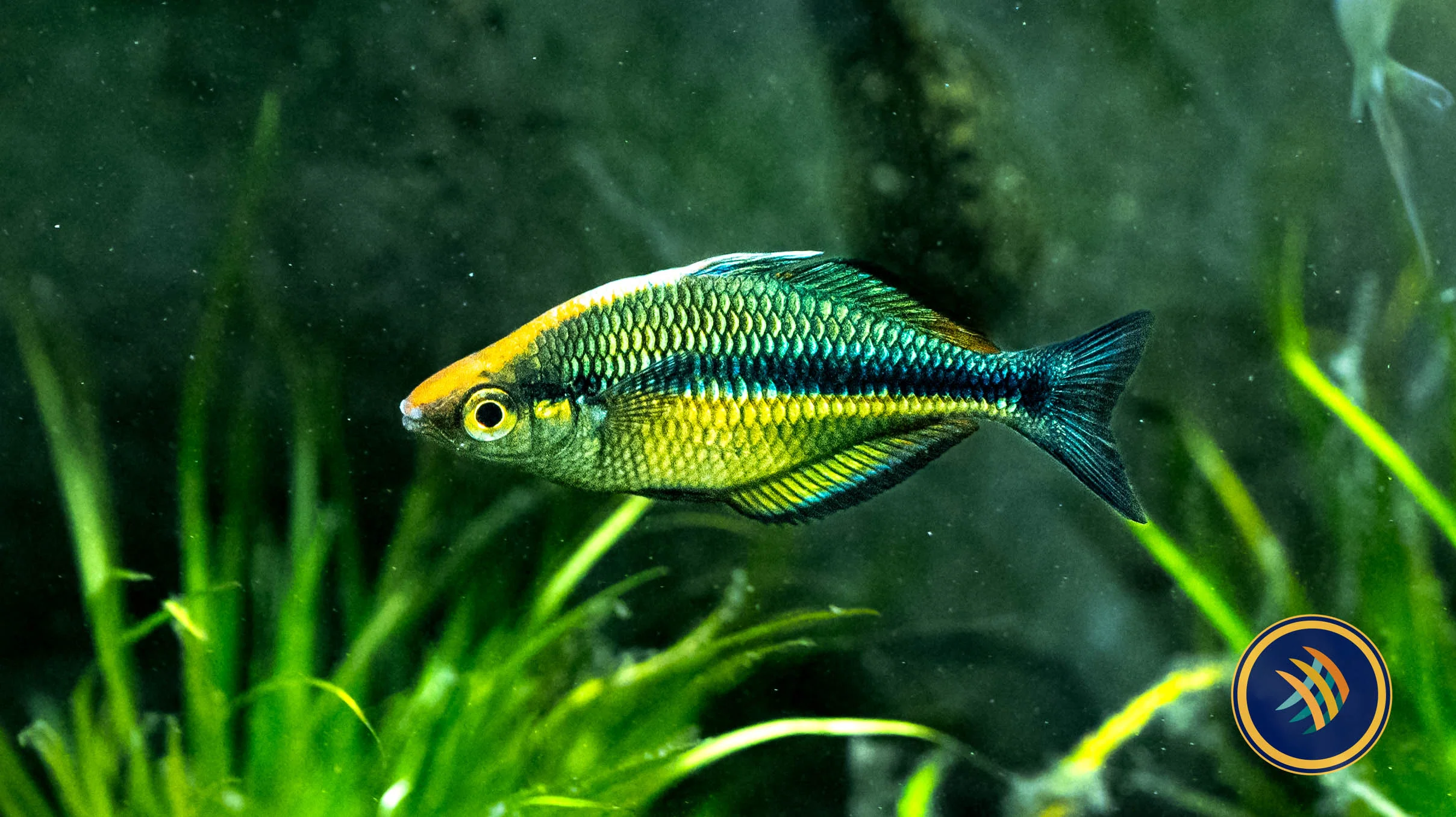
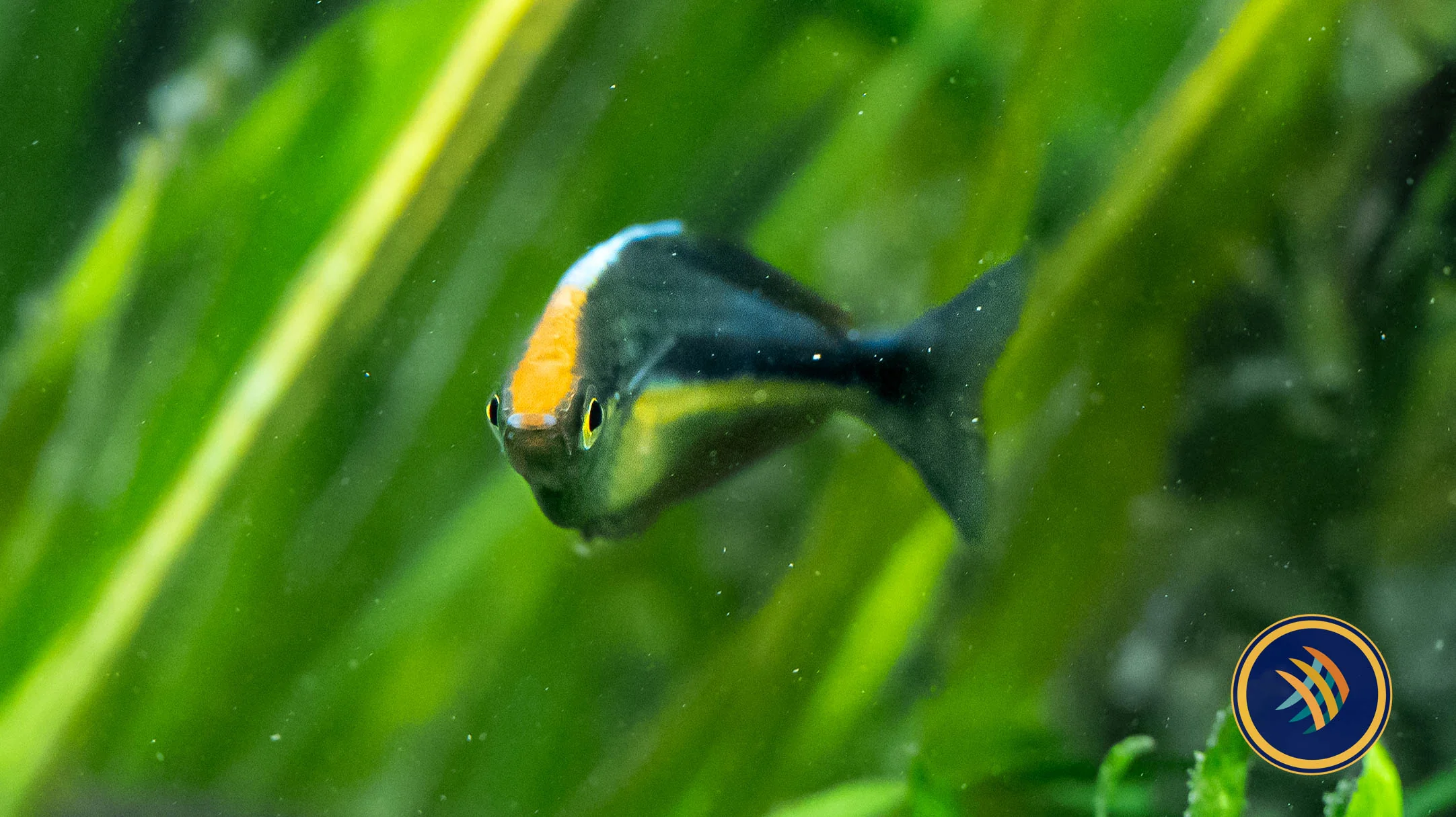
Clown Killi, scientifically known as Epiplatys annulatus, is a small and colorful freshwater fish native to West Africa, particularly found in slow-moving or still waters in countries like Guinea, Sierra Leone, and Liberia.
Key Features
- Size: Typically grows to about 3–4 cm (1.2–1.6 inches) in length.
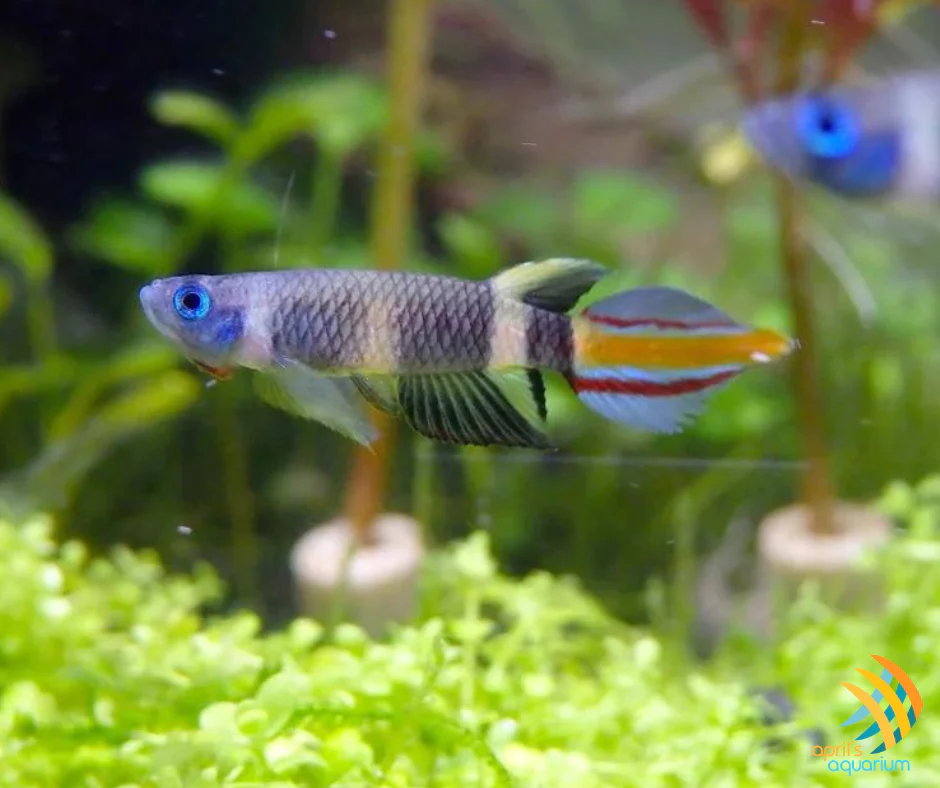
- Coloration: Males are especially vibrant, with alternating black and white vertical bands and striking red or orange fins. Females are generally less colorful.
- Behavior: Peaceful and shy, making them ideal for small, calm community aquariums.
- Lifespan: Around 2–3 years with proper care.
Habitat & Care
- Tank Size: A small group can thrive in a 10-gallon tank.
-
Water Conditions:
- Temperature: 22–26°C (72–79°F)
- pH: 6.0–7.5
- Soft to moderately hard water
- Diet: Carnivorous—prefers live or frozen foods like brine shrimp, daphnia, and bloodworms. Can adapt to high-quality micro pellets.
Breeding
- Spawning: Easy to breed in captivity. They lay adhesive eggs on fine-leaved plants or spawning mops.
- Fry Care: Eggs hatch in about 10–14 days. Fry should be fed infusoria or powdered fry food initially.
$6.99
Clown Killi (Epiplatys annulatus)—
$6.99
Product Information
Product Information
Shipping & Returns
Shipping & Returns
Description
Clown Killi, scientifically known as Epiplatys annulatus, is a small and colorful freshwater fish native to West Africa, particularly found in slow-moving or still waters in countries like Guinea, Sierra Leone, and Liberia.
Key Features
- Size: Typically grows to about 3–4 cm (1.2–1.6 inches) in length.
- Coloration: Males are especially vibrant, with alternating black and white vertical bands and striking red or orange fins. Females are generally less colorful.
- Behavior: Peaceful and shy, making them ideal for small, calm community aquariums.
- Lifespan: Around 2–3 years with proper care.
Habitat & Care
- Tank Size: A small group can thrive in a 10-gallon tank.
-
Water Conditions:
- Temperature: 22–26°C (72–79°F)
- pH: 6.0–7.5
- Soft to moderately hard water
- Diet: Carnivorous—prefers live or frozen foods like brine shrimp, daphnia, and bloodworms. Can adapt to high-quality micro pellets.
Breeding
- Spawning: Easy to breed in captivity. They lay adhesive eggs on fine-leaved plants or spawning mops.
- Fry Care: Eggs hatch in about 10–14 days. Fry should be fed infusoria or powdered fry food initially.