Geay's Rainbowfish (Bedotia Geayi) Aquarium Glaser
Bedotia geayi
(Madagascar Rainbowfish / Geay’s Rainbowfish)
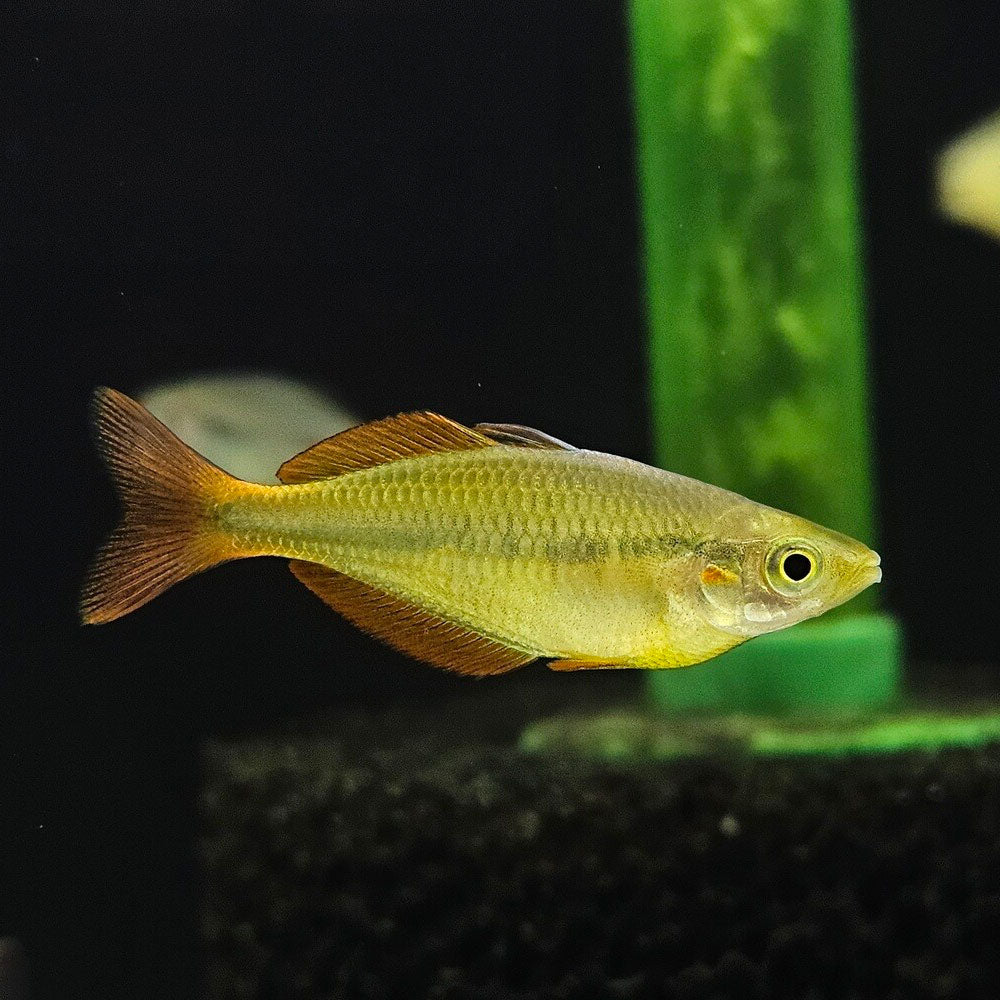
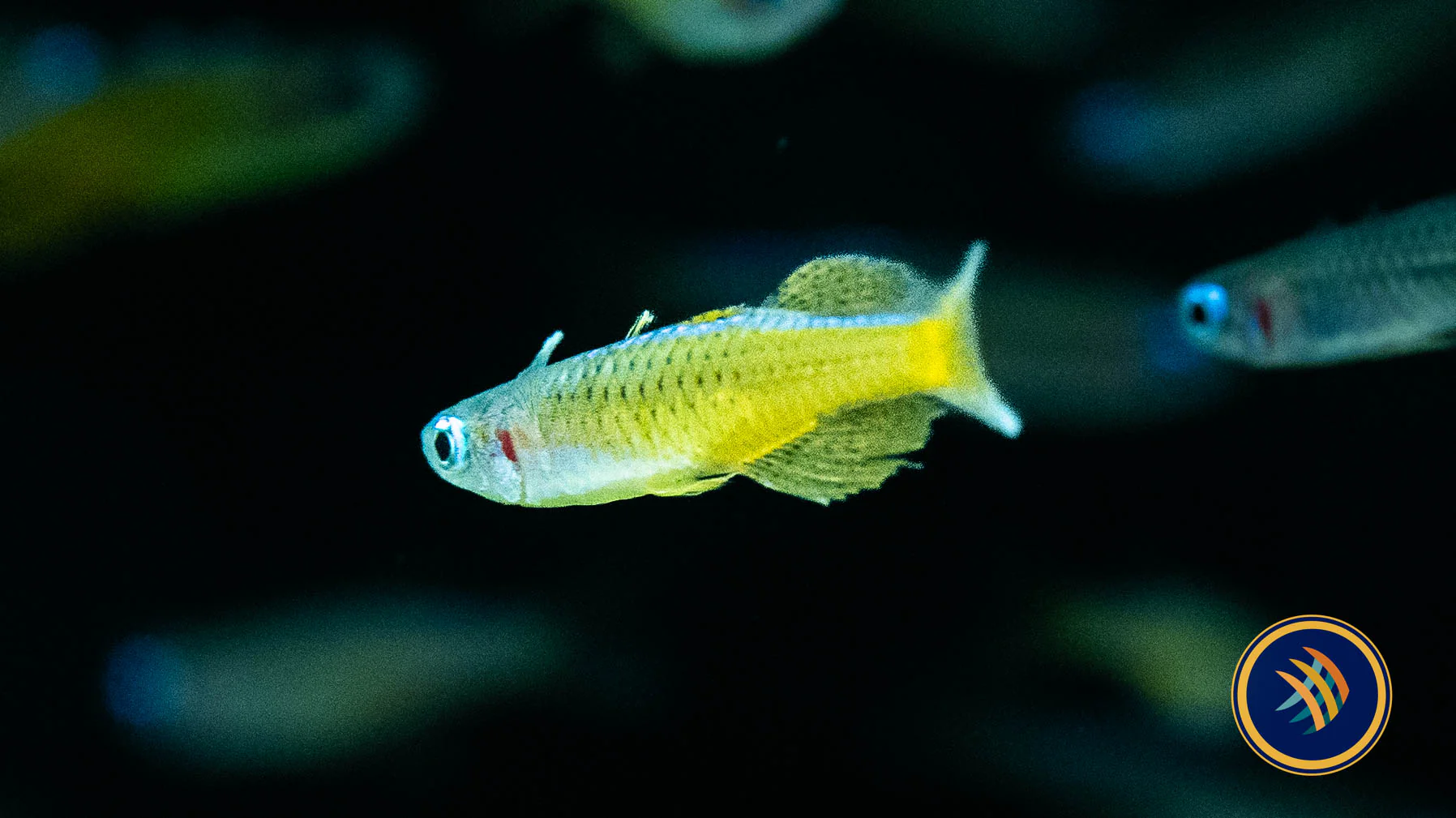
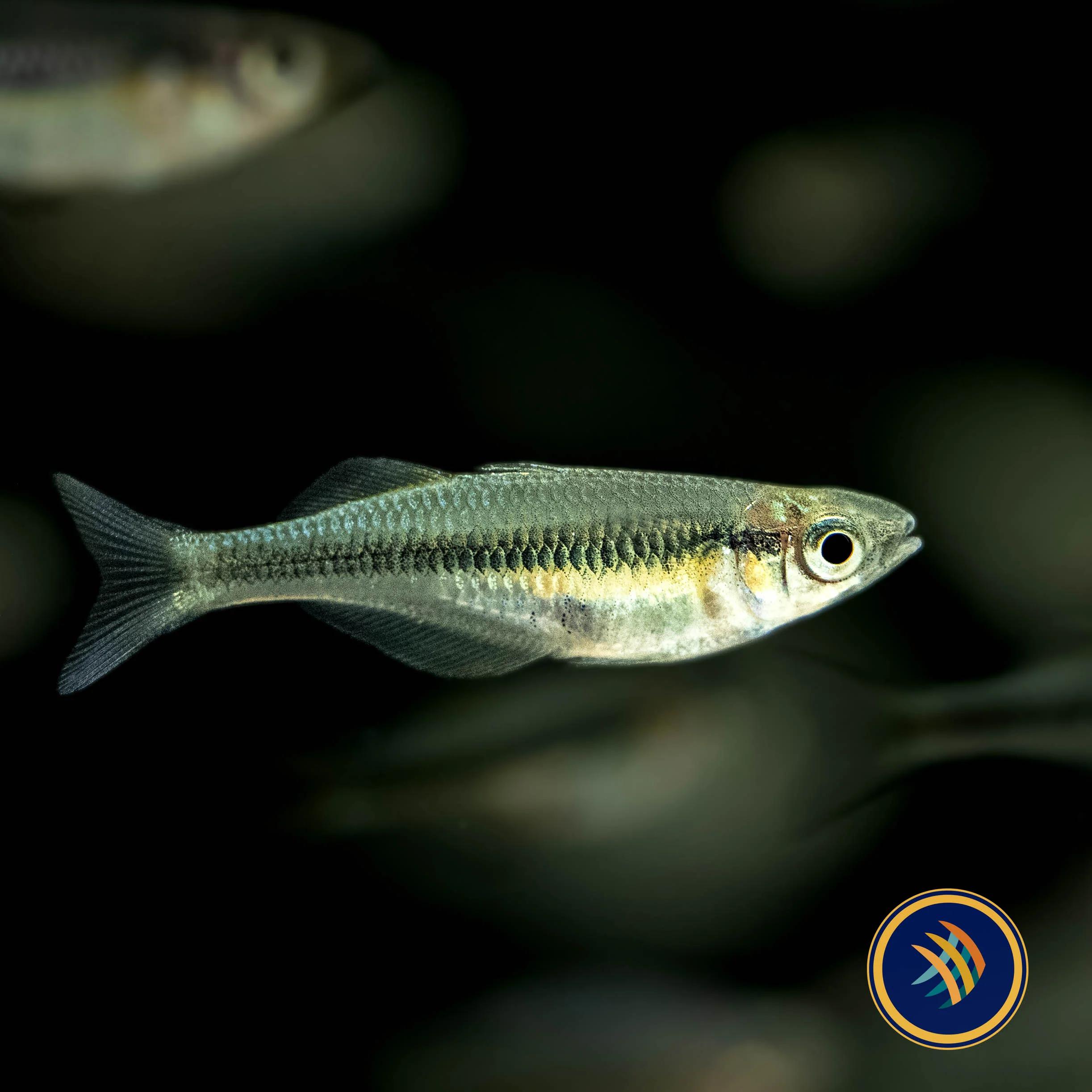
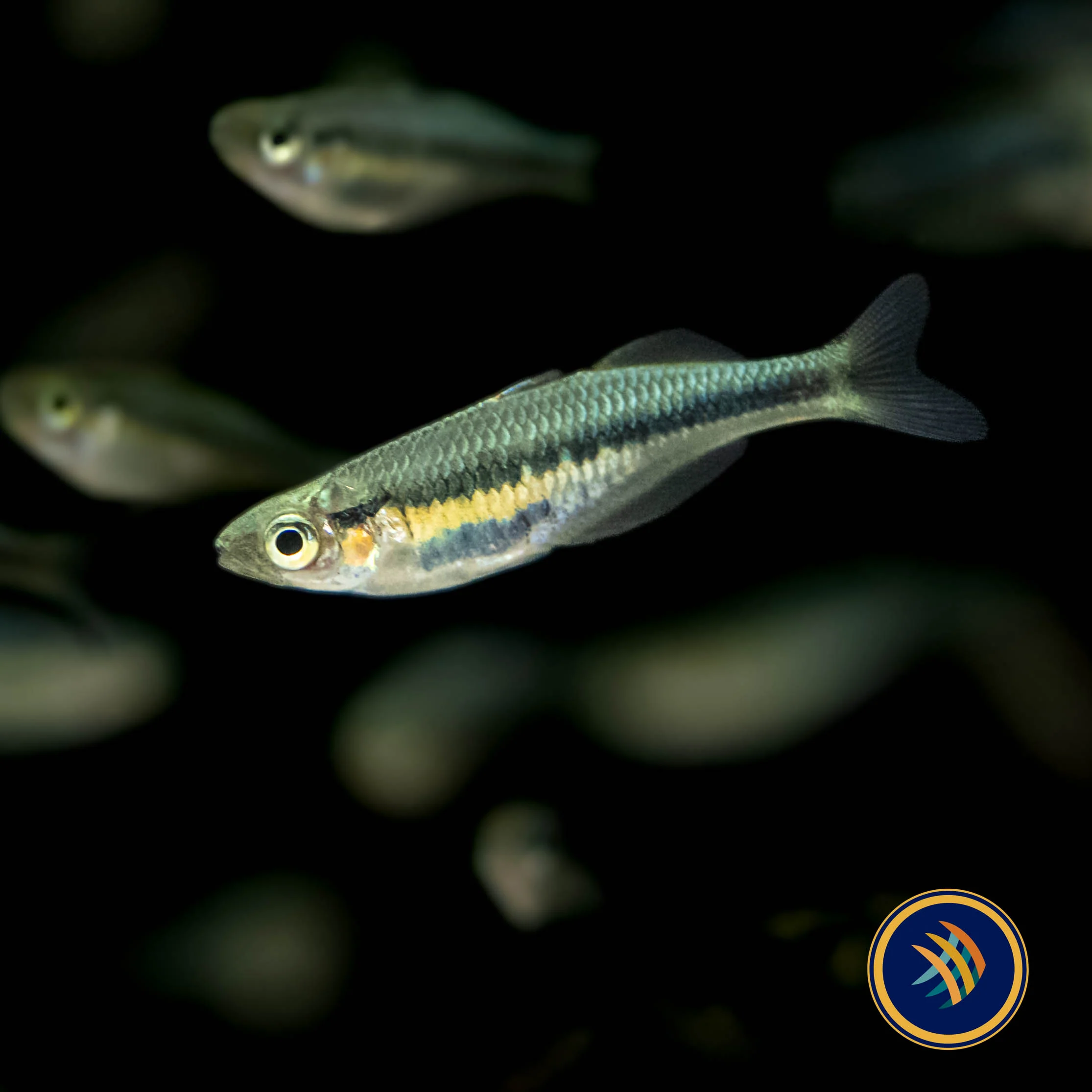
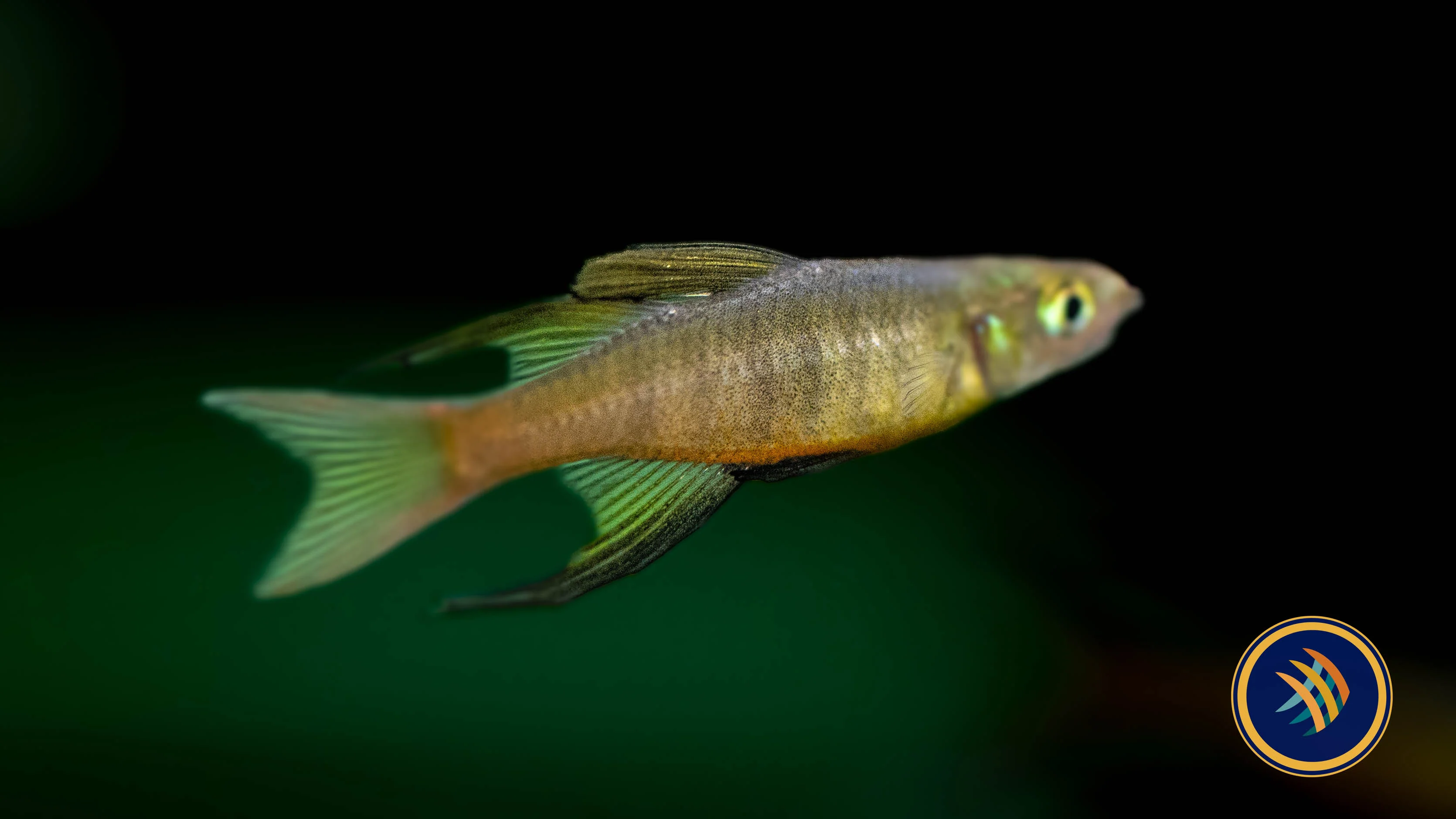
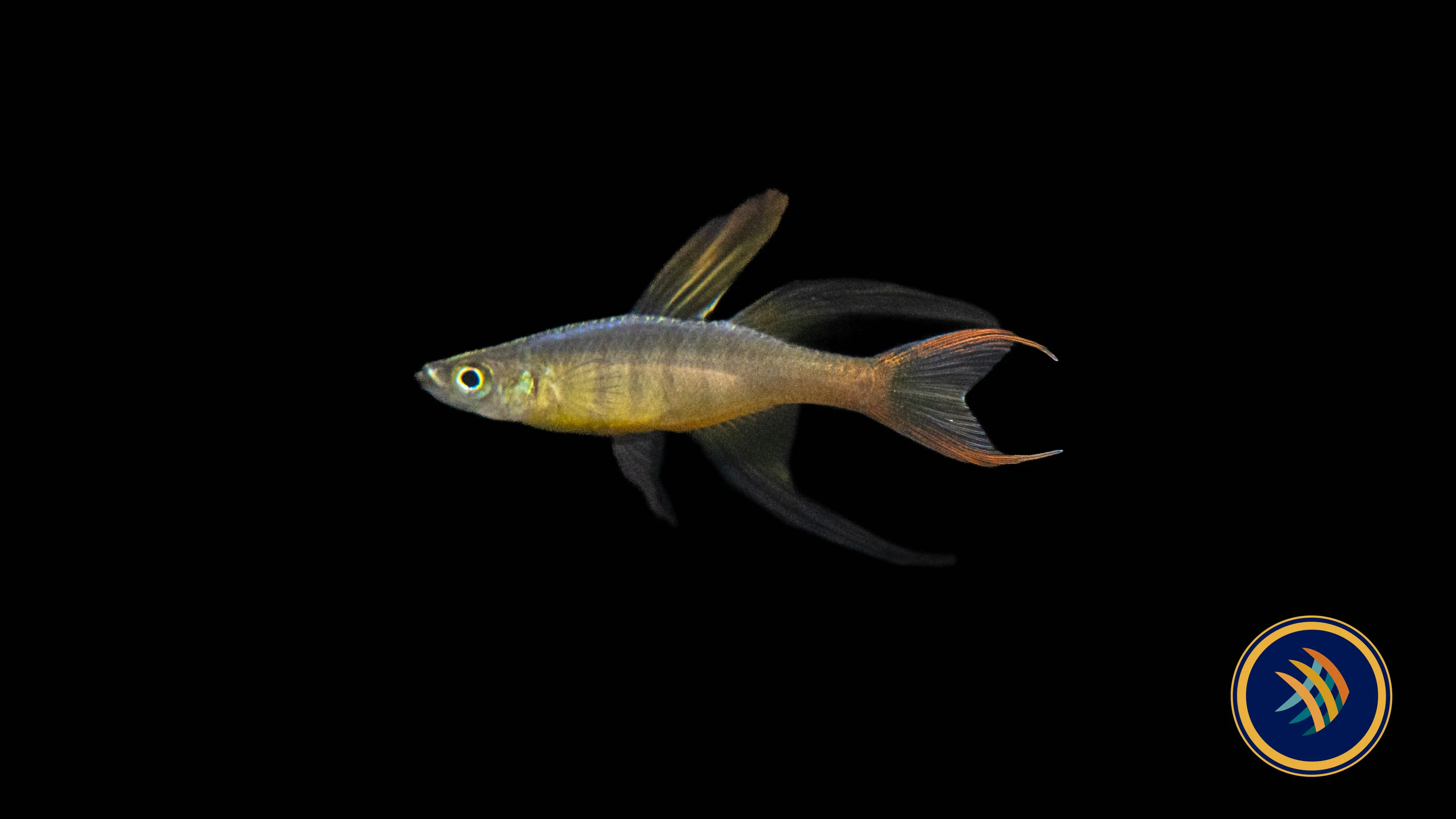
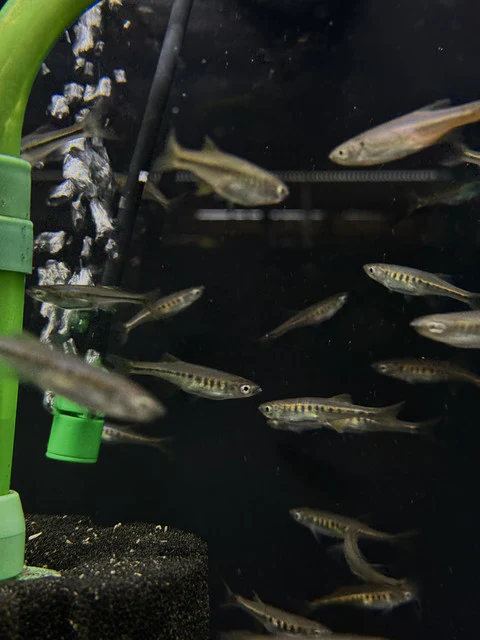
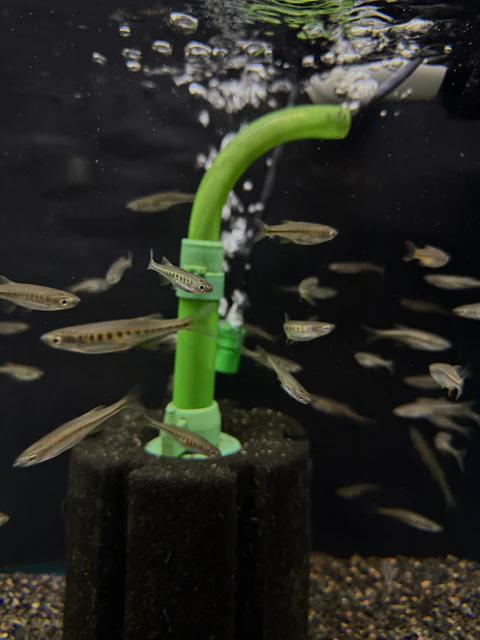
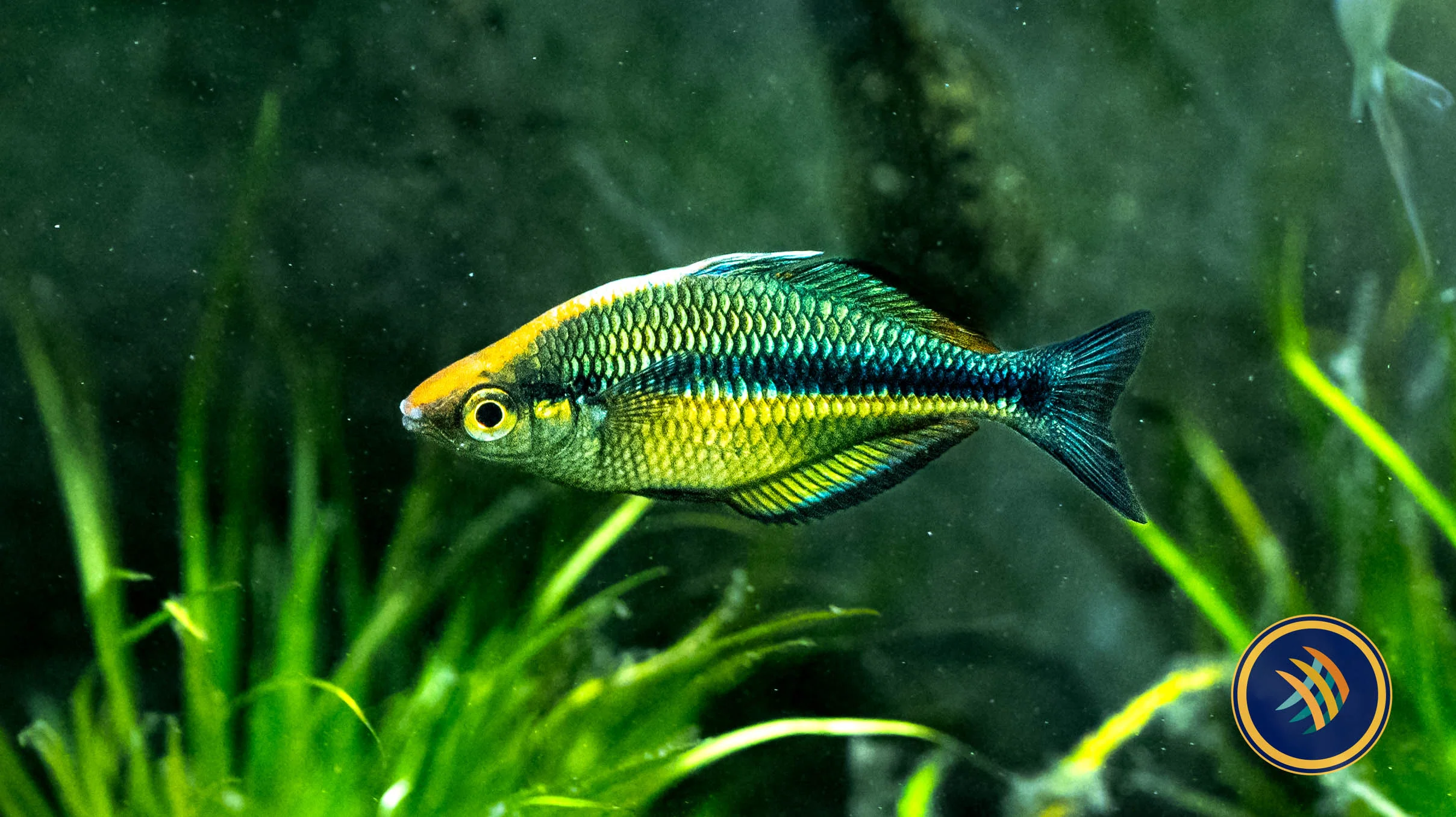
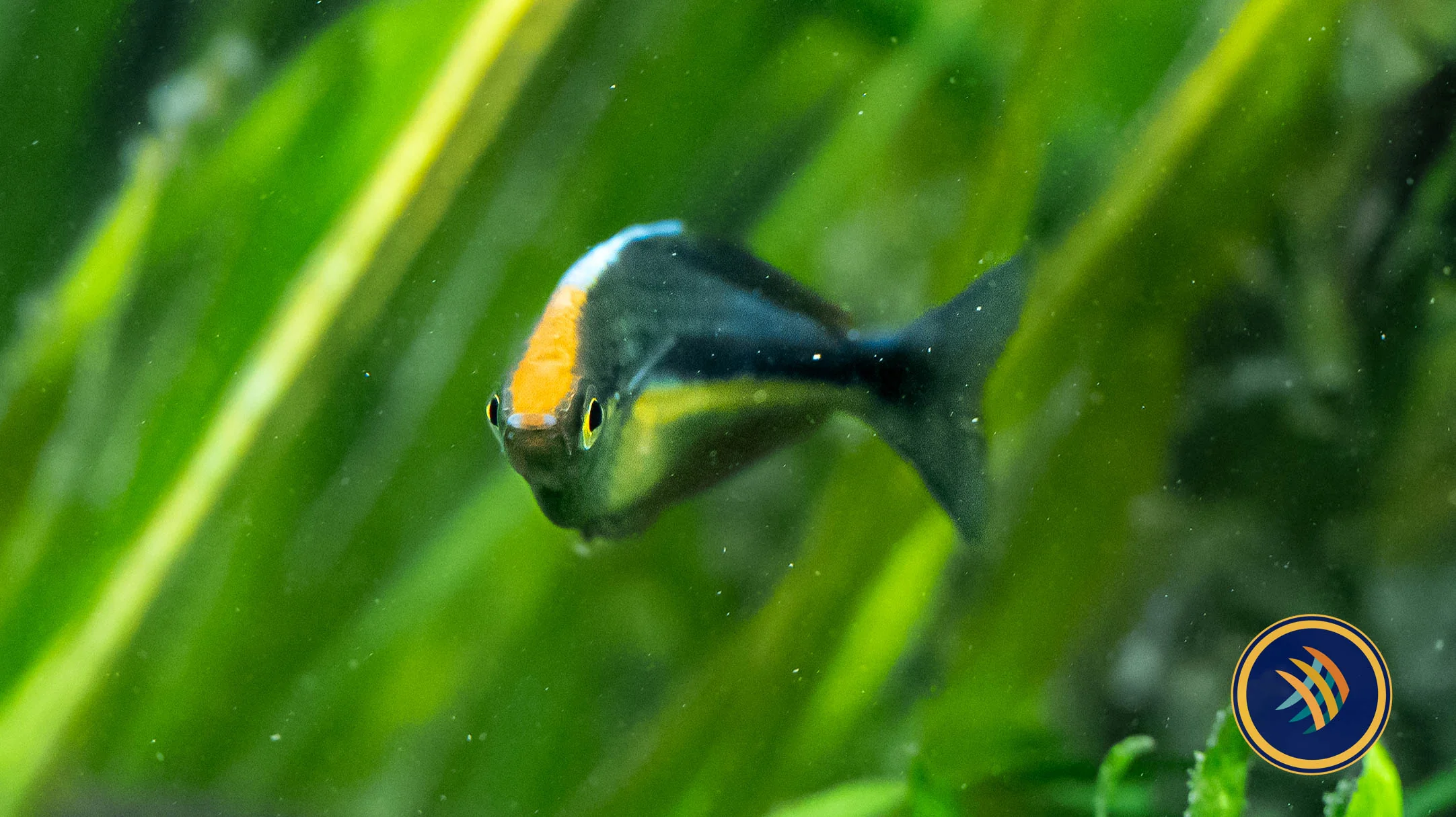
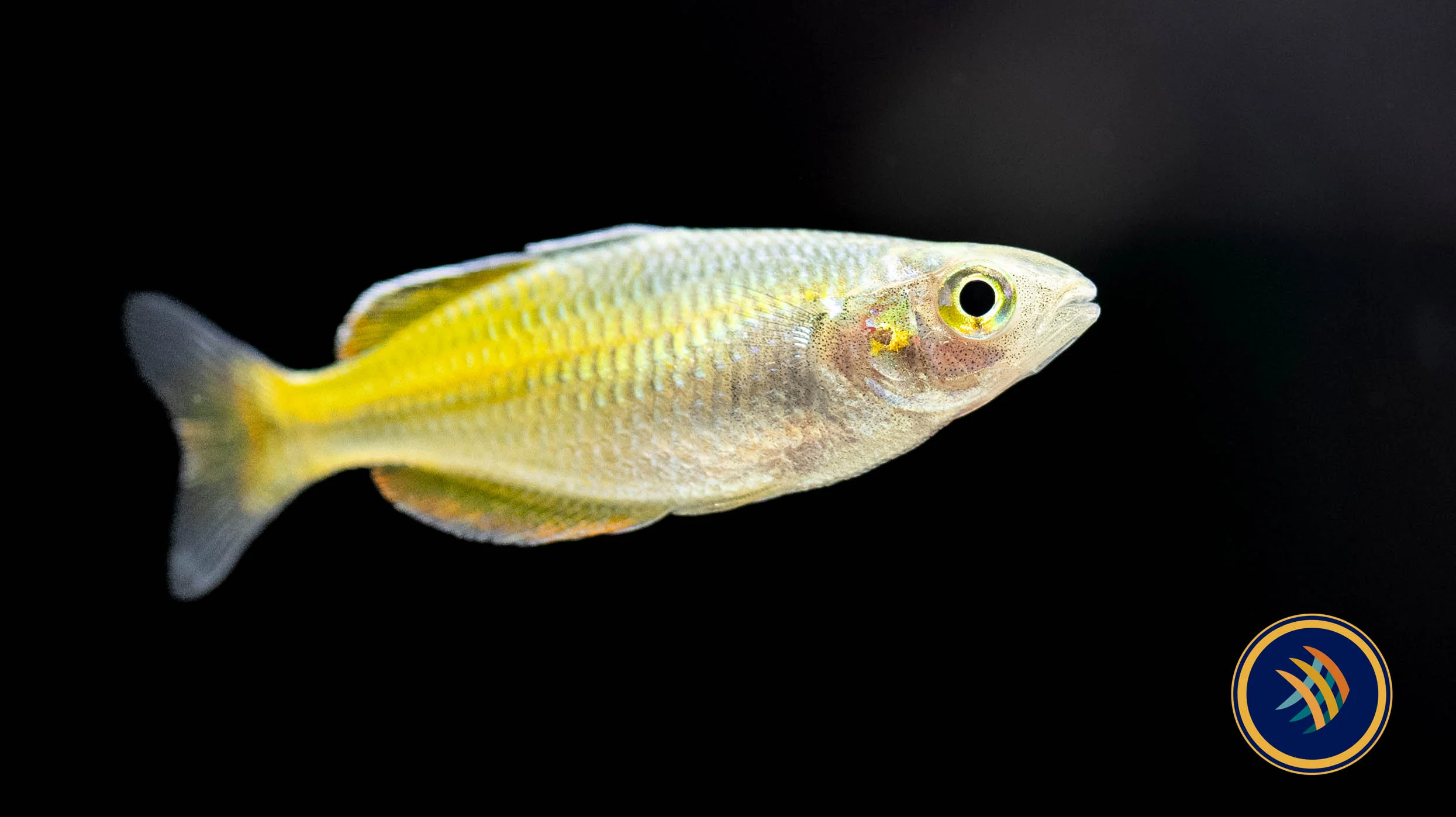
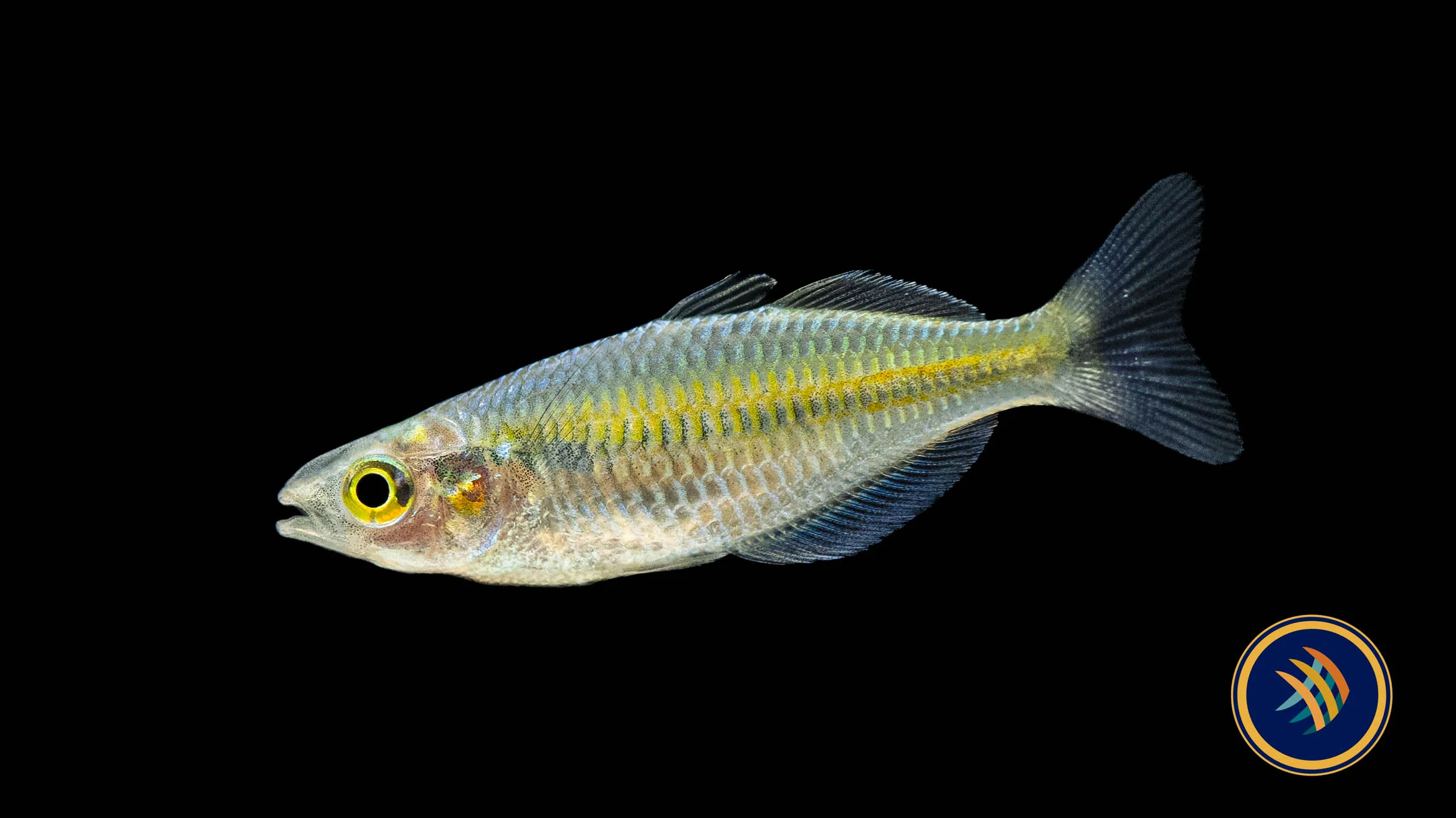
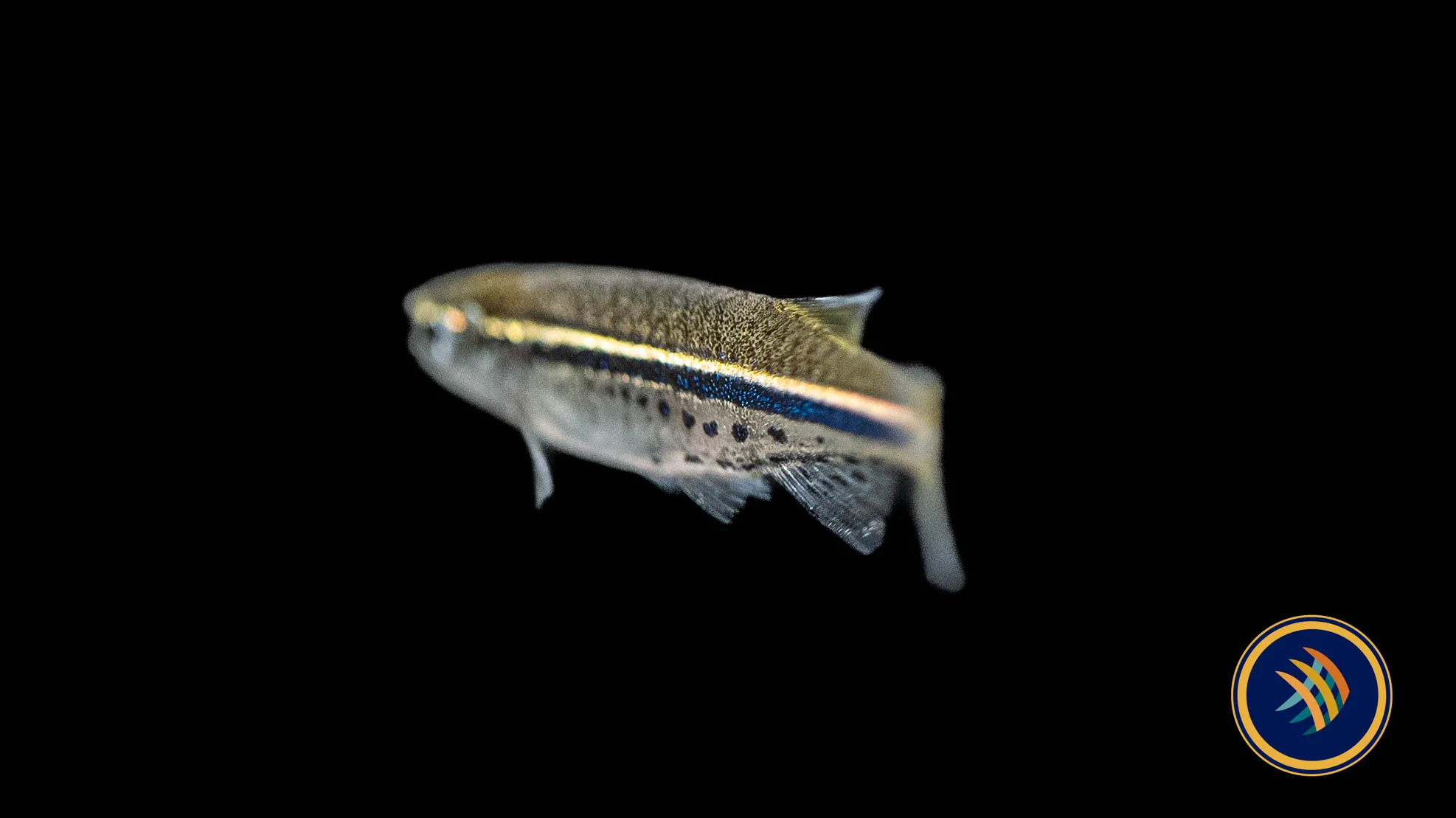
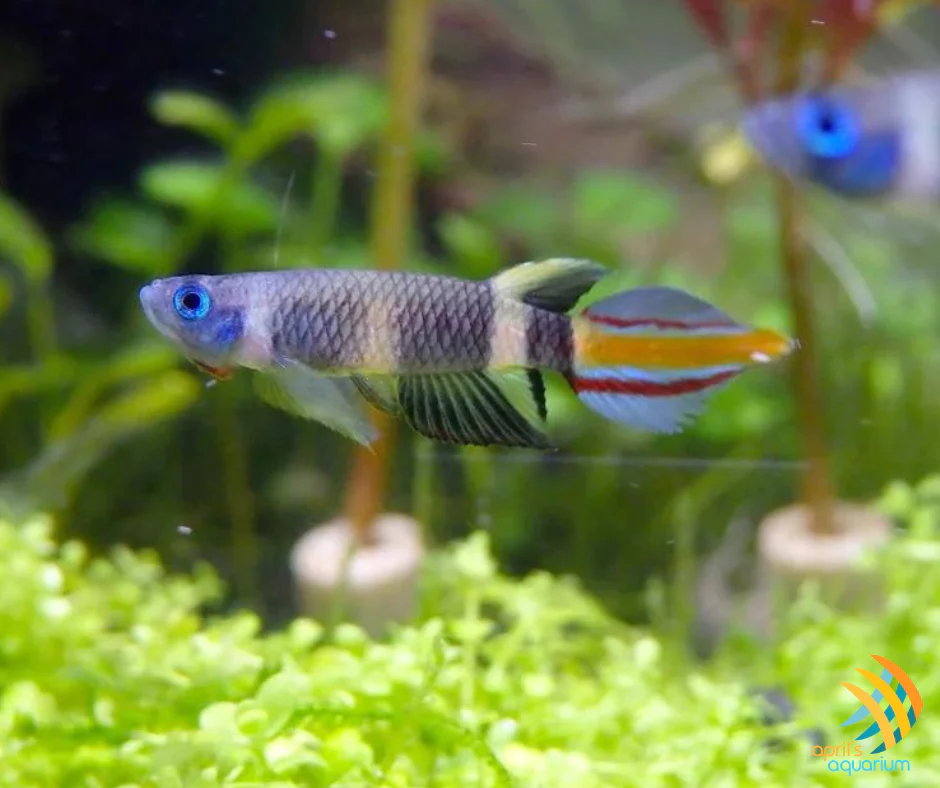
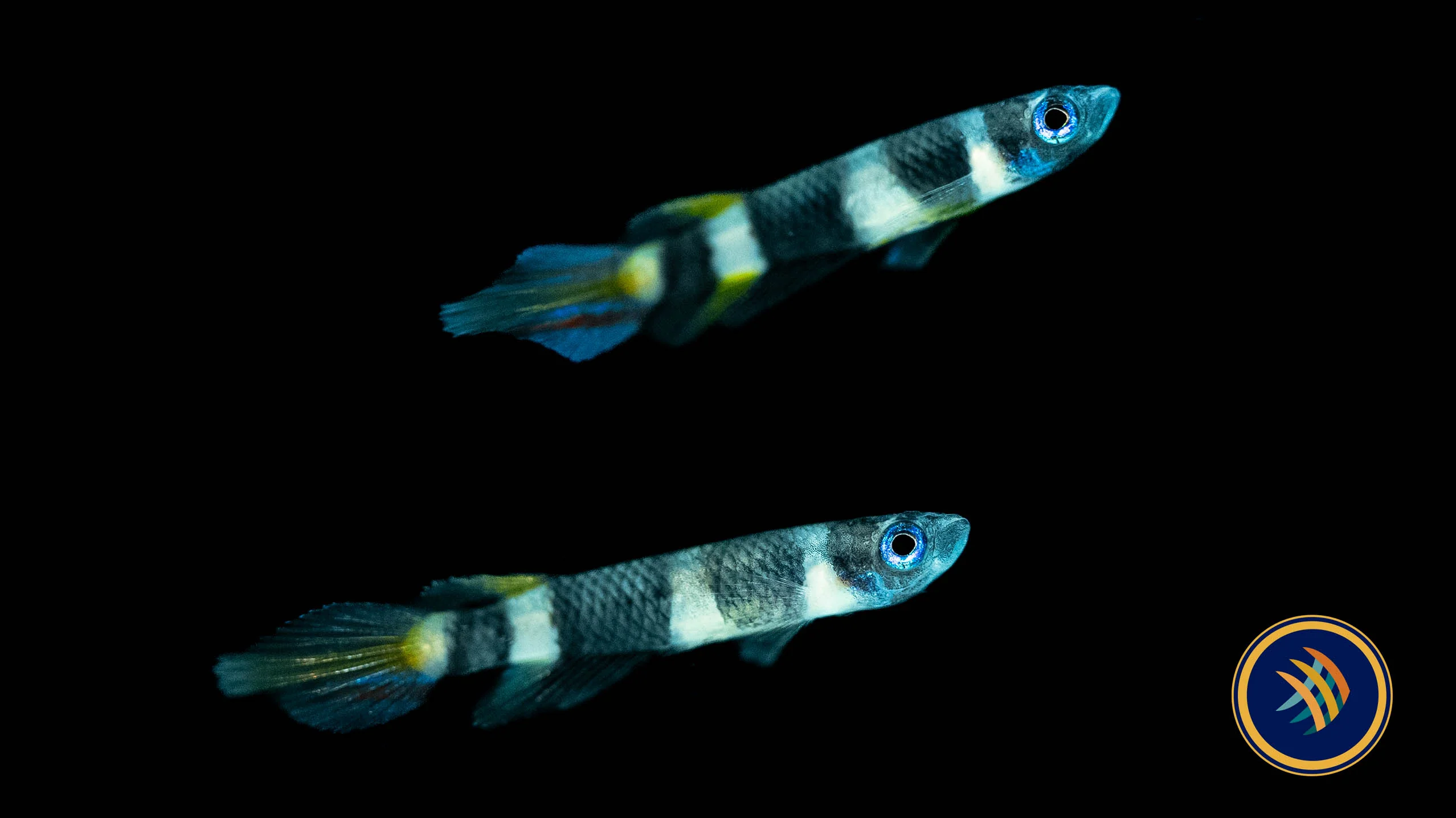
Bedotia geayi is a striking, active rainbowfish from Madagascar, valued for its metallic sheen, vibrant red‑orange fins, and schooling behavior. It’s an excellent centerpiece schooling fish for larger planted community aquariums and is best suited to aquarists who can provide space, clean water, and movement.
Quick Overview
- Common Names: Madagascar Rainbowfish, Geay’s Rainbowfish
- Scientific Name: Bedotia geayi
- Family: Bedotiidae
- Origin: Madagascar (eastern river systems)
- Adult Size: 12–15 cm (5–6 in)
- Lifespan: 5–8 years
- Temperament: Peaceful, active schooling fish
Natural Habitat
In the wild, Bedotia geayi inhabits:
- Clear rivers and streams
- Moderate to fast flow
- Well‑oxygenated water
- Dense marginal vegetation
They are adapted to clean, moving water, which explains their sensitivity to poor water quality in captivity.
Aquarium Requirements
Tank Size
- Minimum: 55 gallons (210 L)
- Preferred: 75 gallons+ for proper schooling dynamics
This species must be kept in groups of at least 6–8, ideally 10+.
Aquascape
- Sand or fine gravel substrate
- Heavily planted sides and back
- Open swimming area in the center
- Driftwood optional
- Secure lid (excellent jumpers)
Moderate to strong current and high oxygenation are strongly recommended.
Water Parameters
- Temperature: 22–26 °C (72–79 °F)
- pH: 6.5–8.0
- Hardness: 5–15 dGH
- Flow: Moderate to strong
- Maintenance: Frequent water changes (weekly 30–40%)
They decline quickly in poor water, so this is not a neglect-tolerant species.
Diet
Bedotia geayi are omnivorous with a strong preference for protein.
Recommended foods:
- High‑quality flake or pellets formulated for rainbowfish
- Frozen foods: brine shrimp, mysis, bloodworms
- Occasional live foods
- Spirulina or vegetable-based foods for balance
Feed 2–3 small meals daily to maintain color and condition.
Compatibility & Behavior
Temperament
- Peaceful but extremely active
- Non‑aggressive
- Best behavior and coloration shown in larger groups
Good Tankmates
- Other large rainbowfish (Melanotaenia, Glossolepis)
- Peaceful barbs and danios
- Larger tetras
- Peaceful loaches
- Non‑aggressive catfish (Synodontis, Corydoras in large tanks)
Avoid
- Very small fish (may be out‑competed)
- Slow or timid species
- Aggressive cichlids
Sexual Dimorphism
- Males: Larger, brighter coloration; red‑orange fins intensify during displays
- Females: Slightly smaller, paler, fuller‑bodied
Dominant males will display shimmering blue‑green bodies edged with red fins when settled.
Breeding Overview
Breeding is possible but uncommon in community tanks.
- Spawning Type: Egg scatterers
- Egg Care: None (adults may eat eggs)
- Spawning Media: Fine-leaved plants or spawning mops
- Incubation: ~7–10 days
For success:
- Soft to neutral water
- Separate breeding tank
- Remove adults after spawning
Product Information
Product Information
Shipping & Returns
Shipping & Returns
Description
Bedotia geayi
(Madagascar Rainbowfish / Geay’s Rainbowfish)
Bedotia geayi is a striking, active rainbowfish from Madagascar, valued for its metallic sheen, vibrant red‑orange fins, and schooling behavior. It’s an excellent centerpiece schooling fish for larger planted community aquariums and is best suited to aquarists who can provide space, clean water, and movement.
Quick Overview
- Common Names: Madagascar Rainbowfish, Geay’s Rainbowfish
- Scientific Name: Bedotia geayi
- Family: Bedotiidae
- Origin: Madagascar (eastern river systems)
- Adult Size: 12–15 cm (5–6 in)
- Lifespan: 5–8 years
- Temperament: Peaceful, active schooling fish
Natural Habitat
In the wild, Bedotia geayi inhabits:
- Clear rivers and streams
- Moderate to fast flow
- Well‑oxygenated water
- Dense marginal vegetation
They are adapted to clean, moving water, which explains their sensitivity to poor water quality in captivity.
Aquarium Requirements
Tank Size
- Minimum: 55 gallons (210 L)
- Preferred: 75 gallons+ for proper schooling dynamics
This species must be kept in groups of at least 6–8, ideally 10+.
Aquascape
- Sand or fine gravel substrate
- Heavily planted sides and back
- Open swimming area in the center
- Driftwood optional
- Secure lid (excellent jumpers)
Moderate to strong current and high oxygenation are strongly recommended.
Water Parameters
- Temperature: 22–26 °C (72–79 °F)
- pH: 6.5–8.0
- Hardness: 5–15 dGH
- Flow: Moderate to strong
- Maintenance: Frequent water changes (weekly 30–40%)
They decline quickly in poor water, so this is not a neglect-tolerant species.
Diet
Bedotia geayi are omnivorous with a strong preference for protein.
Recommended foods:
- High‑quality flake or pellets formulated for rainbowfish
- Frozen foods: brine shrimp, mysis, bloodworms
- Occasional live foods
- Spirulina or vegetable-based foods for balance
Feed 2–3 small meals daily to maintain color and condition.
Compatibility & Behavior
Temperament
- Peaceful but extremely active
- Non‑aggressive
- Best behavior and coloration shown in larger groups
Good Tankmates
- Other large rainbowfish (Melanotaenia, Glossolepis)
- Peaceful barbs and danios
- Larger tetras
- Peaceful loaches
- Non‑aggressive catfish (Synodontis, Corydoras in large tanks)
Avoid
- Very small fish (may be out‑competed)
- Slow or timid species
- Aggressive cichlids
Sexual Dimorphism
- Males: Larger, brighter coloration; red‑orange fins intensify during displays
- Females: Slightly smaller, paler, fuller‑bodied
Dominant males will display shimmering blue‑green bodies edged with red fins when settled.
Breeding Overview
Breeding is possible but uncommon in community tanks.
- Spawning Type: Egg scatterers
- Egg Care: None (adults may eat eggs)
- Spawning Media: Fine-leaved plants or spawning mops
- Incubation: ~7–10 days
For success:
- Soft to neutral water
- Separate breeding tank
- Remove adults after spawning