🚚 Free Worldwide Shipping on All Orders!Shop Now
Yellow Fire Shrimp (Neocaridina davidi) Locally Bred-Shrimp Index
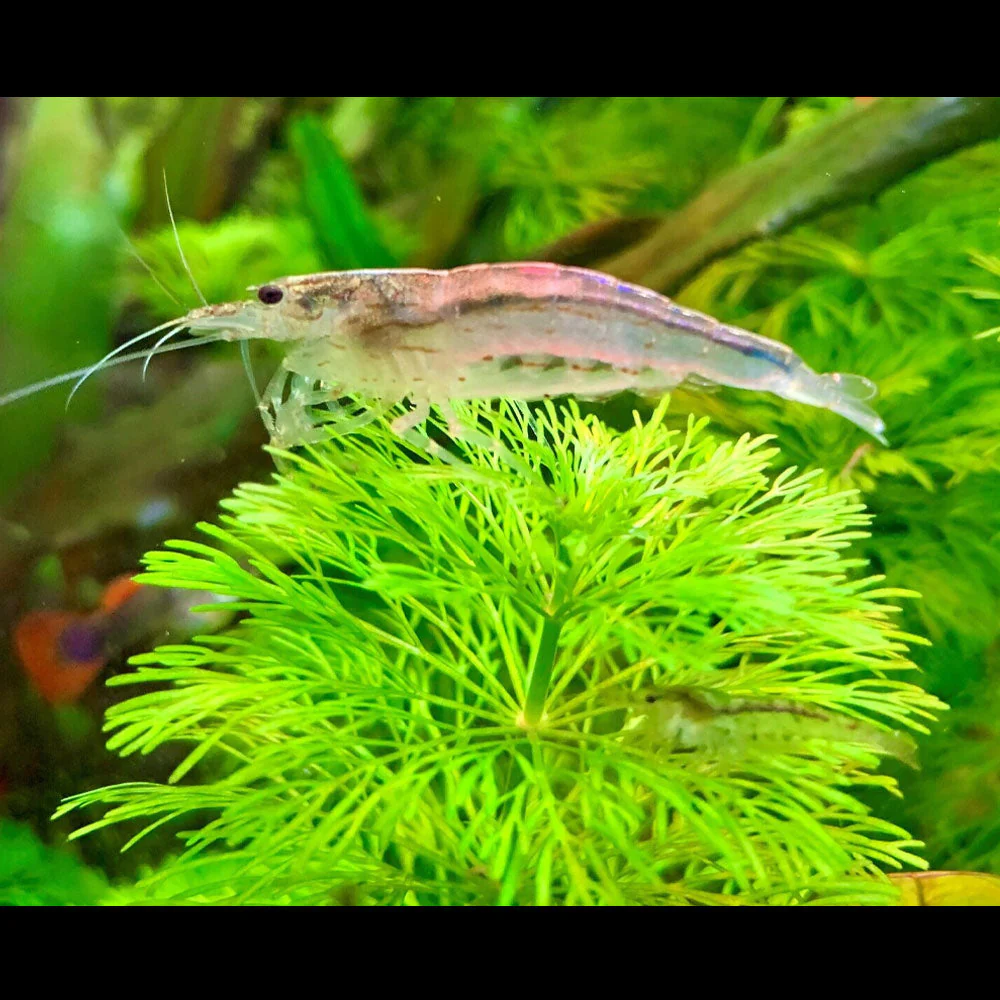
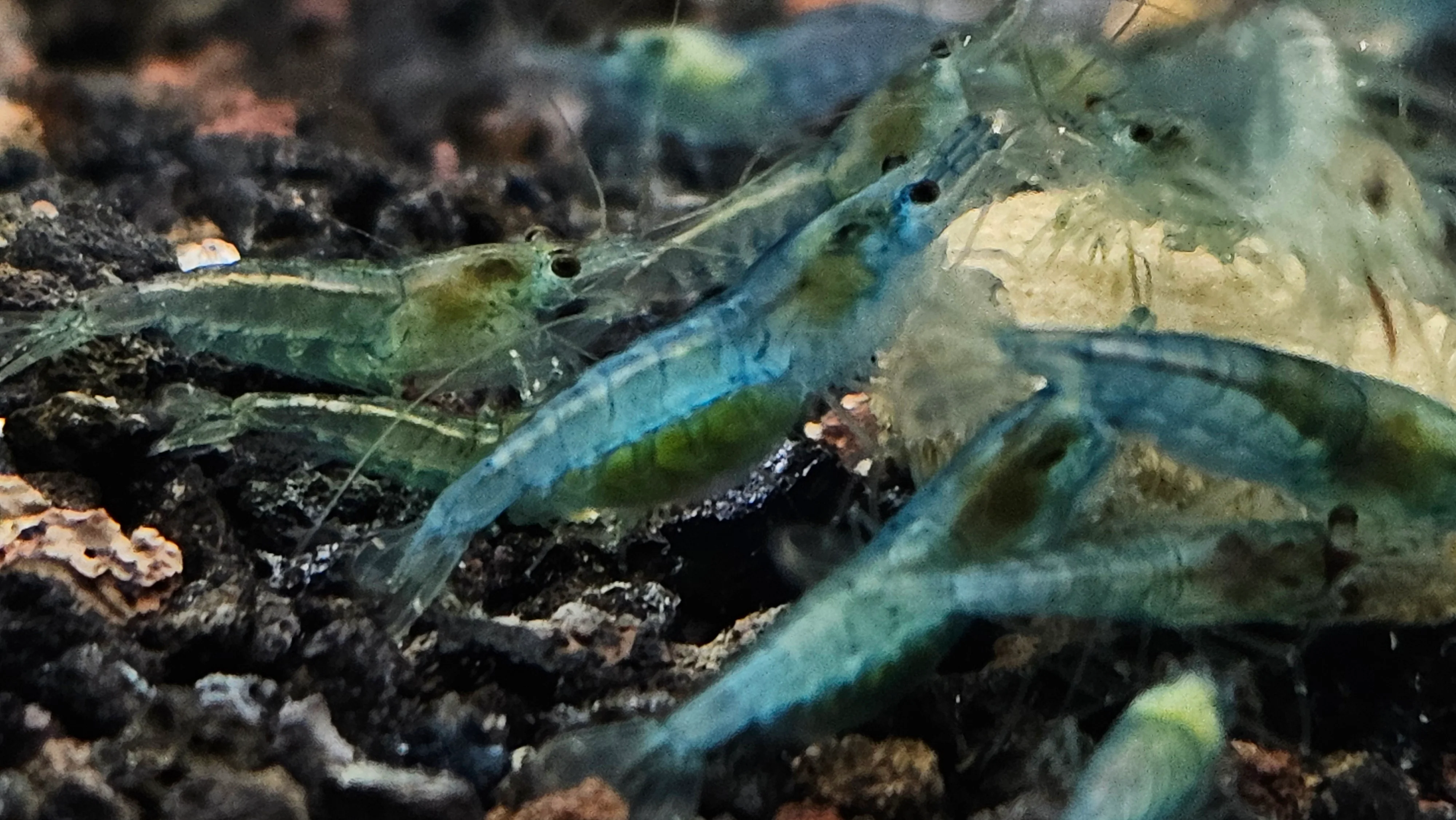
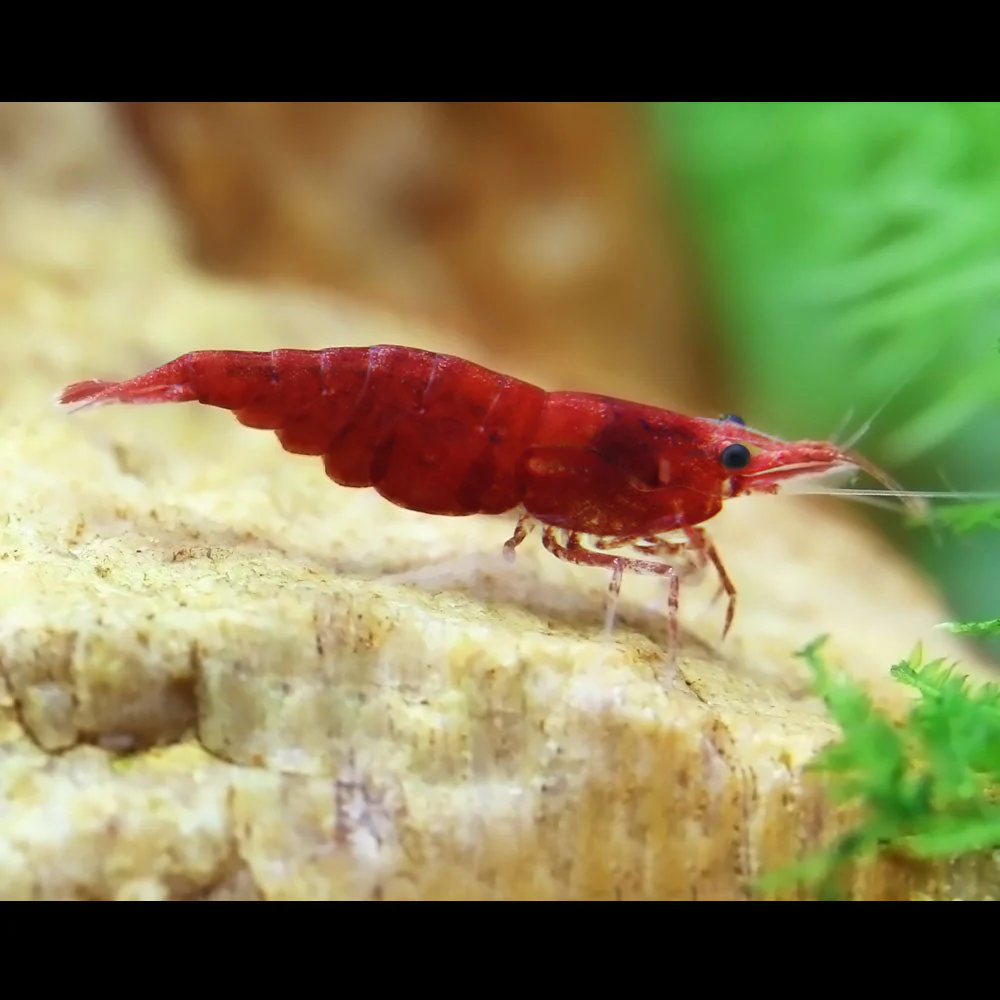
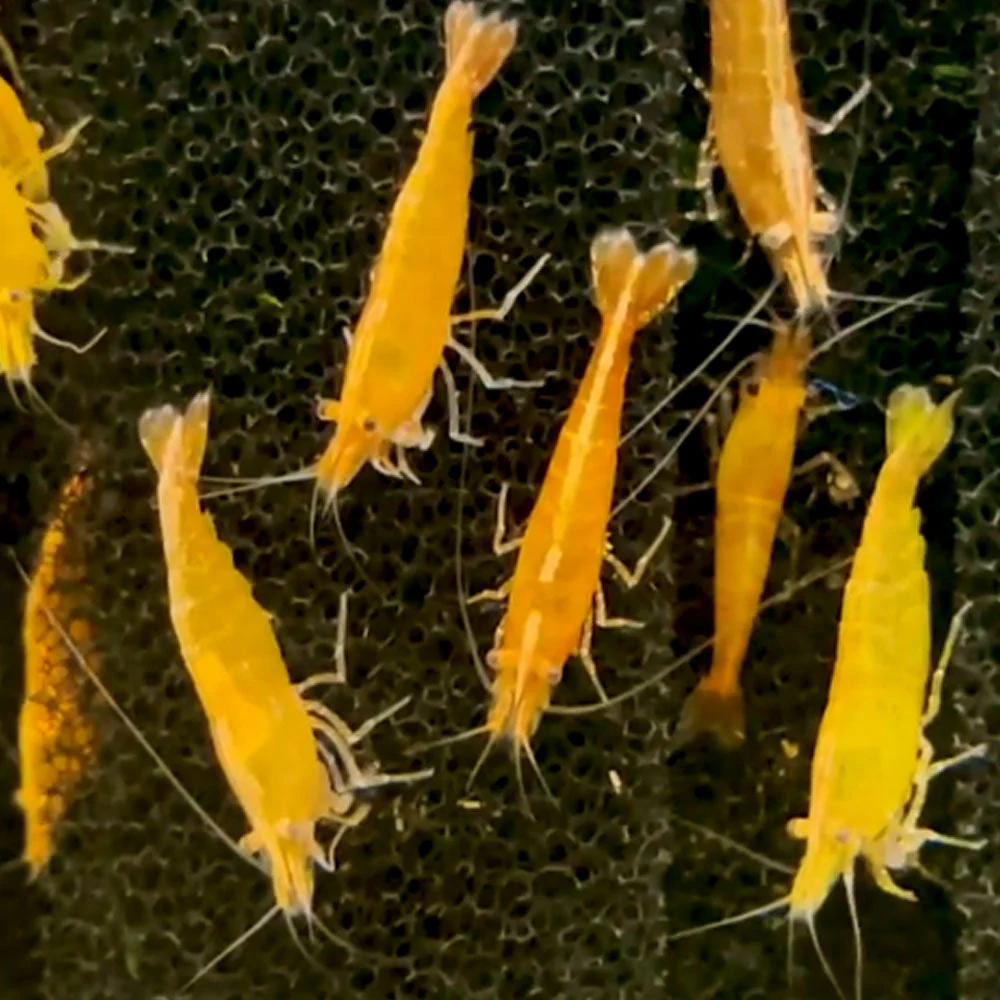
Yellow Fire Shrimp (Neocaridina davidi var. "Yellow") is a vibrant and hardy freshwater shrimp, ideal for both beginner and experienced aquarists.
Aquarium Setup
- Tank Size: Minimum 5 gallons, though 10+ gallons is better for stability and breeding.
- Substrate: No special substrate needed; inert gravel or sand works fine.
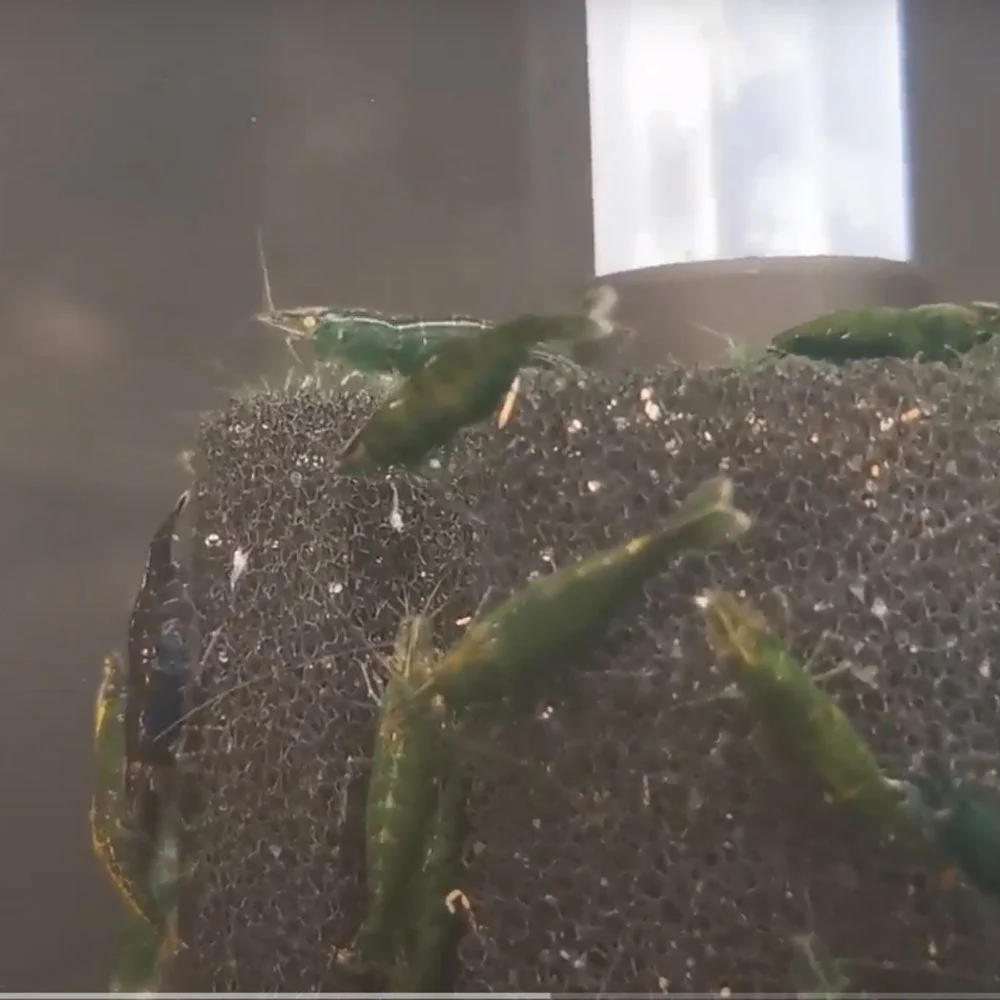
- Filtration: Use a sponge filter or pre-filter sponge to protect baby shrimp from being sucked in
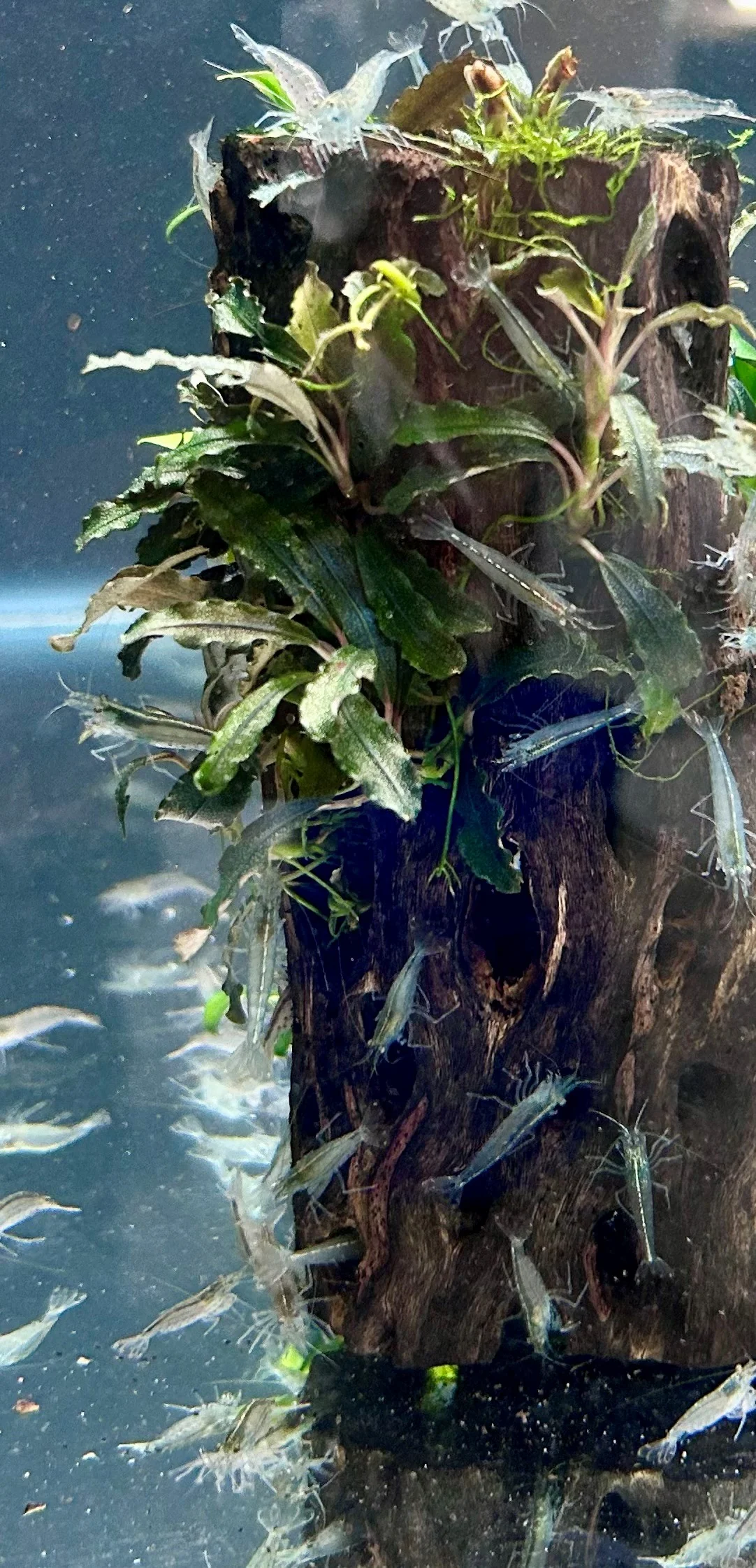
- Plants & Decor: Provide hiding spots with mosses (e.g., Java Moss), driftwood, rocks, and leaf litter
- Lighting: No special requirements, but moderate lighting helps algae and biofilm growth.
Water Parameters
- Temperature: 65–78°F (18–26°C)
- pH: 6.2–8.0 (ideal: 6.5–7.5)
- GH (General Hardness): 4–8 dGH
- KH (Carbonate Hardness): 3–15 dKH
- TDS (Total Dissolved Solids): 150–250 ppm
- Ammonia/Nitrite: Always 0; Nitrate should be kept low
Diet
Yellow Fire Shrimp are omnivorous scavengers:
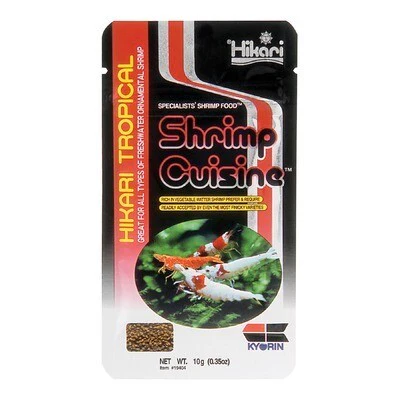
- Staples: Algae wafers, shrimp pellets, sinking fish food
- Vegetables: Blanched spinach, zucchini, or cucumber
- Protein: Occasional treats like baby brine shrimp or daphnia
- Natural Foraging: Biofilm, algae, and detritus in a mature tank
Breeding
- Ease: Very easy under stable conditions
- Reproduction: Females carry bright yellow eggs under their abdomen for ~30 days
- Young: Born as miniature adults (no larval stage)
- Tip: Cover filter intakes with sponge to protect fry
Tankmates
- Best Companions: Peaceful nano fish like rasboras, small tetras, endlers, and snails [
- Avoid: Large or aggressive fish (e.g., cichlids, bettas) that may eat shrimp
- Colony Size: Best kept in groups for social behavior
$4.99
Yellow Fire Shrimp (Neocaridina davidi) Locally Bred-Shrimp Index—
$4.99
Product Information
Product Information
Shipping & Returns
Shipping & Returns
Description
Yellow Fire Shrimp (Neocaridina davidi var. "Yellow") is a vibrant and hardy freshwater shrimp, ideal for both beginner and experienced aquarists.
Aquarium Setup
- Tank Size: Minimum 5 gallons, though 10+ gallons is better for stability and breeding.
- Substrate: No special substrate needed; inert gravel or sand works fine.
- Filtration: Use a sponge filter or pre-filter sponge to protect baby shrimp from being sucked in
- Plants & Decor: Provide hiding spots with mosses (e.g., Java Moss), driftwood, rocks, and leaf litter
- Lighting: No special requirements, but moderate lighting helps algae and biofilm growth.
Water Parameters
- Temperature: 65–78°F (18–26°C)
- pH: 6.2–8.0 (ideal: 6.5–7.5)
- GH (General Hardness): 4–8 dGH
- KH (Carbonate Hardness): 3–15 dKH
- TDS (Total Dissolved Solids): 150–250 ppm
- Ammonia/Nitrite: Always 0; Nitrate should be kept low
Diet
Yellow Fire Shrimp are omnivorous scavengers:
- Staples: Algae wafers, shrimp pellets, sinking fish food
- Vegetables: Blanched spinach, zucchini, or cucumber
- Protein: Occasional treats like baby brine shrimp or daphnia
- Natural Foraging: Biofilm, algae, and detritus in a mature tank
Breeding
- Ease: Very easy under stable conditions
- Reproduction: Females carry bright yellow eggs under their abdomen for ~30 days
- Young: Born as miniature adults (no larval stage)
- Tip: Cover filter intakes with sponge to protect fry
Tankmates
- Best Companions: Peaceful nano fish like rasboras, small tetras, endlers, and snails [
- Avoid: Large or aggressive fish (e.g., cichlids, bettas) that may eat shrimp
- Colony Size: Best kept in groups for social behavior