🚚 Free Worldwide Shipping on All Orders!Shop Now
1 / 3
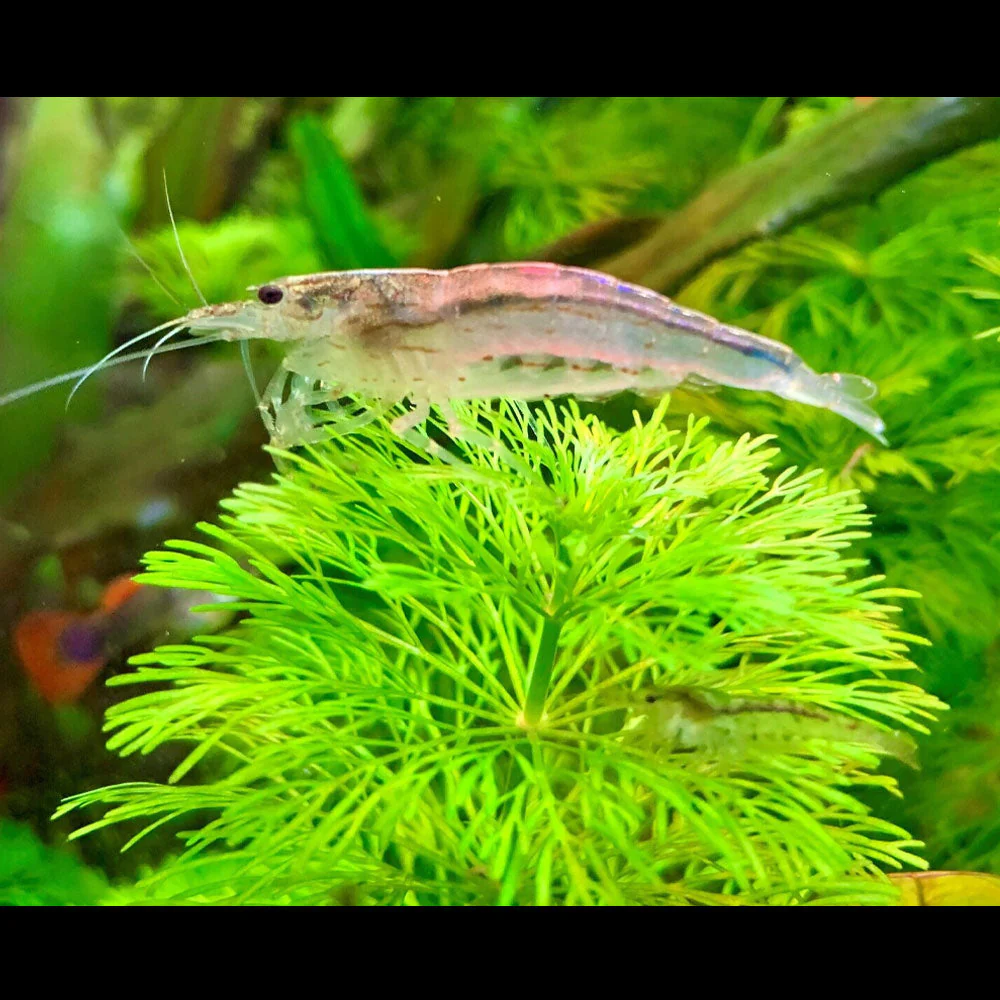
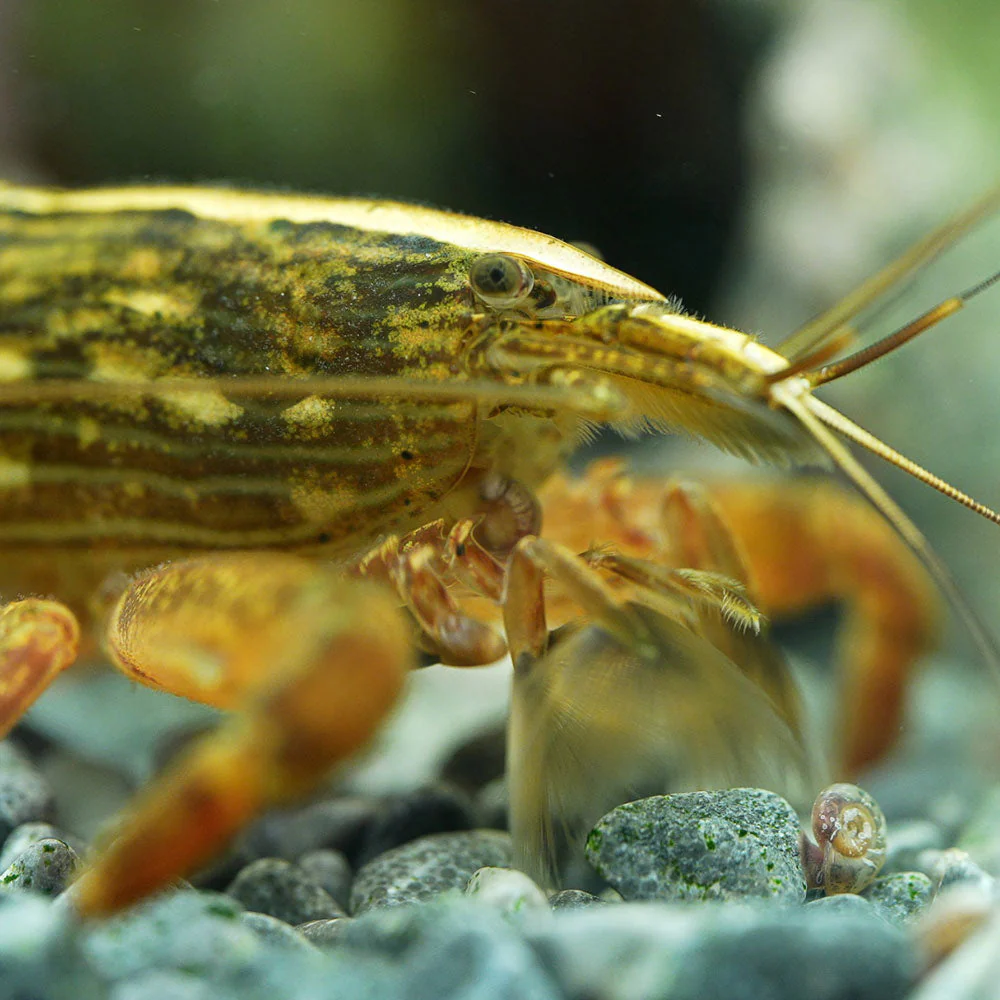
Bamboo / Rock / Fan Shrimp (Atyopsis moluccensis)
Bamboo / Rock / Fan Shrimp (Atyopsis moluccensis), a fascinating filter-feeding species:
Species Overview
- Scientific Name: Atyopsis moluccensis
- Common Names: Bamboo Shrimp, Rock Shrimp, Fan Shrimp, Wood Shrimp, Singapore Flower Shrimp
- Origin: Southeast Asia (Indonesia, Malaysia, Thailand, Sri Lanka)
- Size: 7–10 cm (3–4 in)
- Lifespan: 1–2 years (occasionally up to 6 years in ideal conditions)
- Temperament: Peaceful, non-aggressive
- Care Level: Intermediate (due to feeding requirements)
Tank Requirements
- Minimum Tank Size: 20 gallons (larger is better for stable food supply)
-
Water Parameters:
- Temperature: 22–28°C (72–82°F)
- pH: 6.5–7.5 (tolerates 6.0–8.0)
- GH: 6–8 dGH
- KH: 2–6
- TDS: 150–200 ppm
- Flow: Moderate to strong current (essential for feeding)
-
Décor:
- Rocks, driftwood, and plants for perching
- Smooth surfaces near filter outflow for feeding
- Lighting: Moderate
- Cover: Tight lid—shrimp may climb out during molting
Diet & Feeding
- Feeding Method: Filter-feeder using fan-like appendages
- Natural Diet: Micro-particles, detritus, plankton
-
In Captivity:
- Powdered foods (e.g., spirulina powder, Bacter AE)
- Crushed flakes, micro pellets
- Occasional live/frozen micro foods (baby brine shrimp)
-
Feeding Tips:
- Ensure strong water flow so food stays suspended
- Target-feed near their perch if tank lacks natural micro-foods
- Avoid bottom-only feeding—they do not scavenge like other shrimp
Behavior & Compatibility
- Peaceful: Ideal for community tanks with small, non-aggressive fish
-
Good Tankmates:
- Tetras, Rasboras, Otocinclus, Corydoras, Kuhli Loaches
- Other peaceful shrimp (Amano, Neocaridina)
-
Avoid:
- Aggressive fish (Cichlids, large Barbs, Puffers)
- Predatory species that may nip at shrimp
Breeding
- Difficulty: Very high in freshwater tanks
- Reason: Larvae require brackish/marine conditions to develop
-
Notes:
- Females carry eggs under abdomen
- Eggs hatch into planktonic larvae that drift downstream in nature
- Successful captive breeding is extremely rare
Special Considerations
- Sensitive to sudden water changes—acclimate slowly
- Needs mature, established tanks with biofilm and micro-particles
- Molting: Provide hiding spots during molt (they are vulnerable)
- Lifespan depends heavily on food availability and water quality
Select Size
From $18.99
Bamboo / Rock / Fan Shrimp (Atyopsis moluccensis)—
$18.99
Product Information
Product Information
Shipping & Returns
Shipping & Returns
Description
Bamboo / Rock / Fan Shrimp (Atyopsis moluccensis), a fascinating filter-feeding species:
Species Overview
- Scientific Name: Atyopsis moluccensis
- Common Names: Bamboo Shrimp, Rock Shrimp, Fan Shrimp, Wood Shrimp, Singapore Flower Shrimp
- Origin: Southeast Asia (Indonesia, Malaysia, Thailand, Sri Lanka)
- Size: 7–10 cm (3–4 in)
- Lifespan: 1–2 years (occasionally up to 6 years in ideal conditions)
- Temperament: Peaceful, non-aggressive
- Care Level: Intermediate (due to feeding requirements)
Tank Requirements
- Minimum Tank Size: 20 gallons (larger is better for stable food supply)
-
Water Parameters:
- Temperature: 22–28°C (72–82°F)
- pH: 6.5–7.5 (tolerates 6.0–8.0)
- GH: 6–8 dGH
- KH: 2–6
- TDS: 150–200 ppm
- Flow: Moderate to strong current (essential for feeding)
-
Décor:
- Rocks, driftwood, and plants for perching
- Smooth surfaces near filter outflow for feeding
- Lighting: Moderate
- Cover: Tight lid—shrimp may climb out during molting
Diet & Feeding
- Feeding Method: Filter-feeder using fan-like appendages
- Natural Diet: Micro-particles, detritus, plankton
-
In Captivity:
- Powdered foods (e.g., spirulina powder, Bacter AE)
- Crushed flakes, micro pellets
- Occasional live/frozen micro foods (baby brine shrimp)
-
Feeding Tips:
- Ensure strong water flow so food stays suspended
- Target-feed near their perch if tank lacks natural micro-foods
- Avoid bottom-only feeding—they do not scavenge like other shrimp
Behavior & Compatibility
- Peaceful: Ideal for community tanks with small, non-aggressive fish
-
Good Tankmates:
- Tetras, Rasboras, Otocinclus, Corydoras, Kuhli Loaches
- Other peaceful shrimp (Amano, Neocaridina)
-
Avoid:
- Aggressive fish (Cichlids, large Barbs, Puffers)
- Predatory species that may nip at shrimp
Breeding
- Difficulty: Very high in freshwater tanks
- Reason: Larvae require brackish/marine conditions to develop
-
Notes:
- Females carry eggs under abdomen
- Eggs hatch into planktonic larvae that drift downstream in nature
- Successful captive breeding is extremely rare
Special Considerations
- Sensitive to sudden water changes—acclimate slowly
- Needs mature, established tanks with biofilm and micro-particles
- Molting: Provide hiding spots during molt (they are vulnerable)
- Lifespan depends heavily on food availability and water quality