🚚 Free Worldwide Shipping on All Orders!Shop Now
1 / 4
Bloody Mary Shrimp Neocaridina davidi - Locally Bred-Shrimp Index
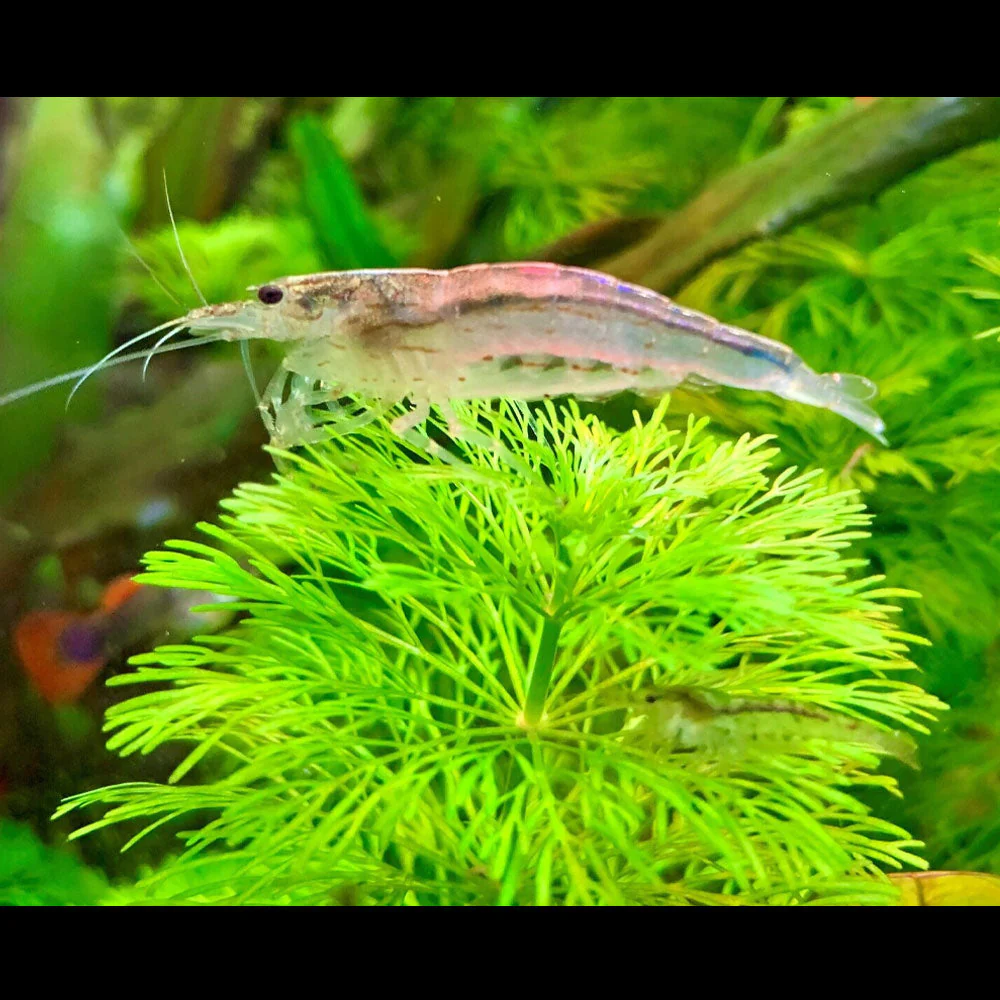
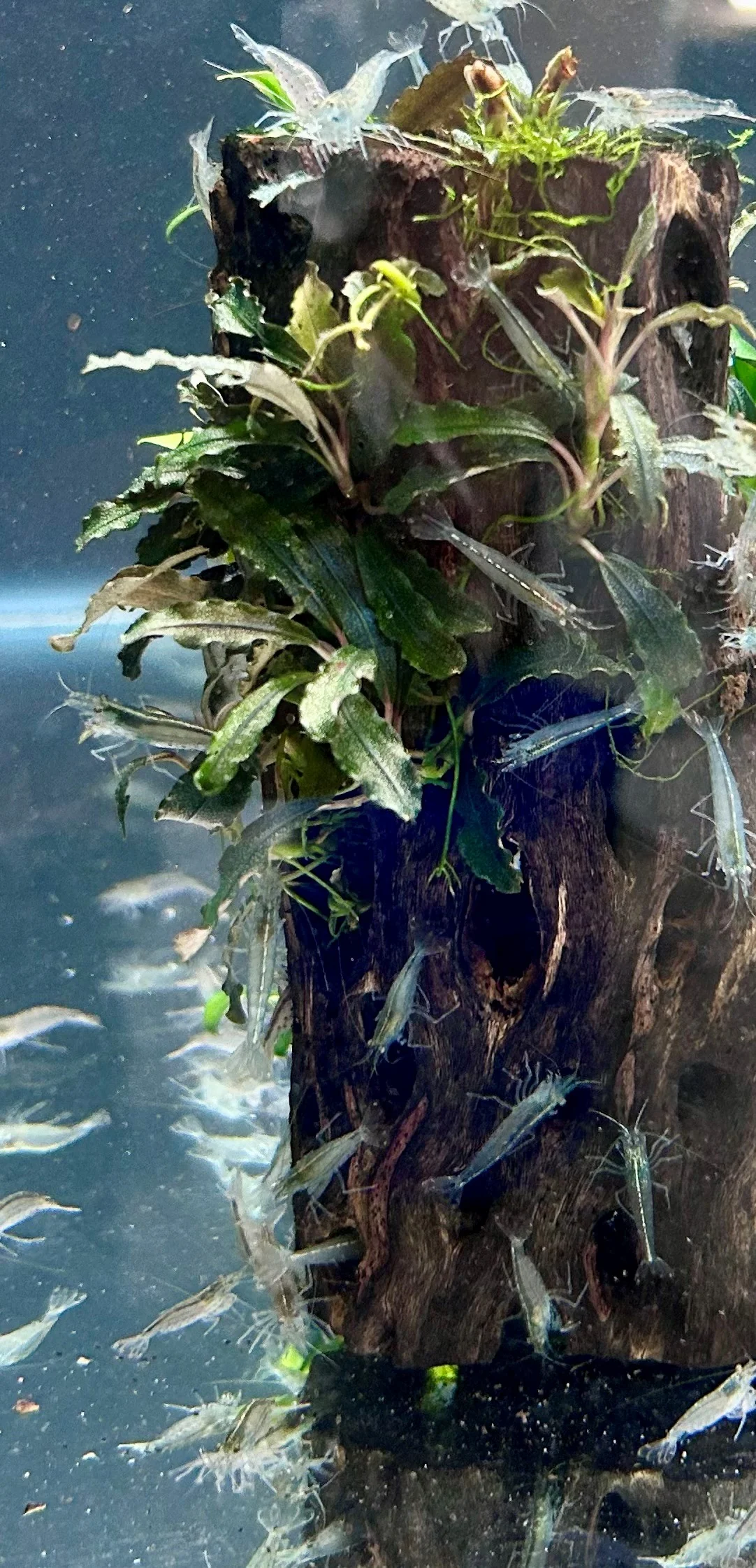
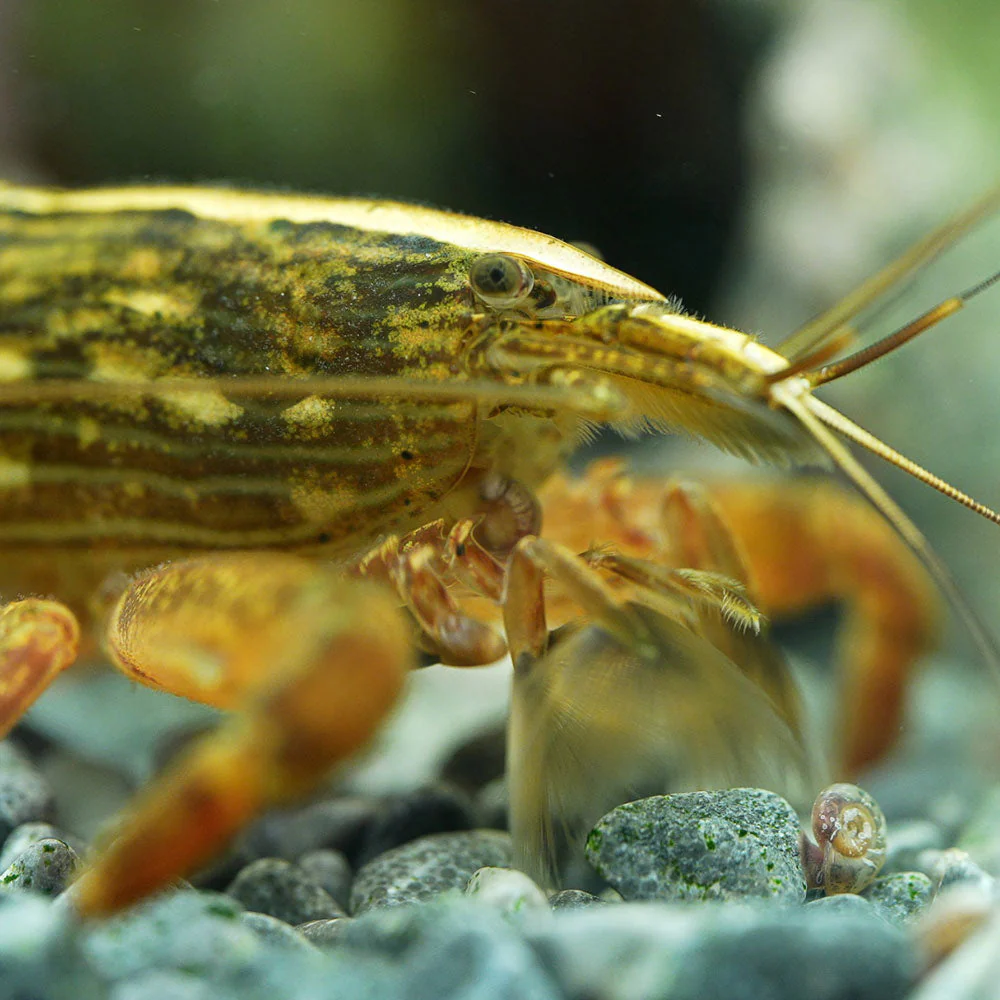
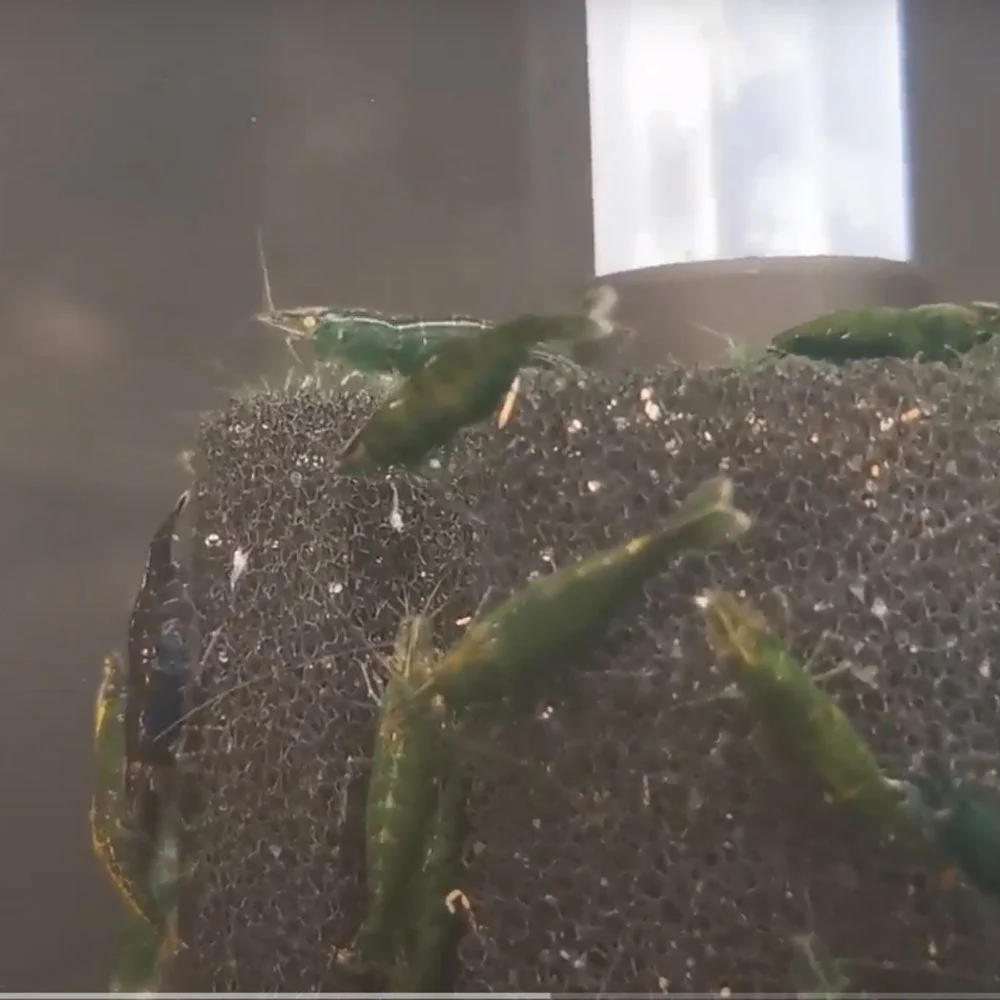
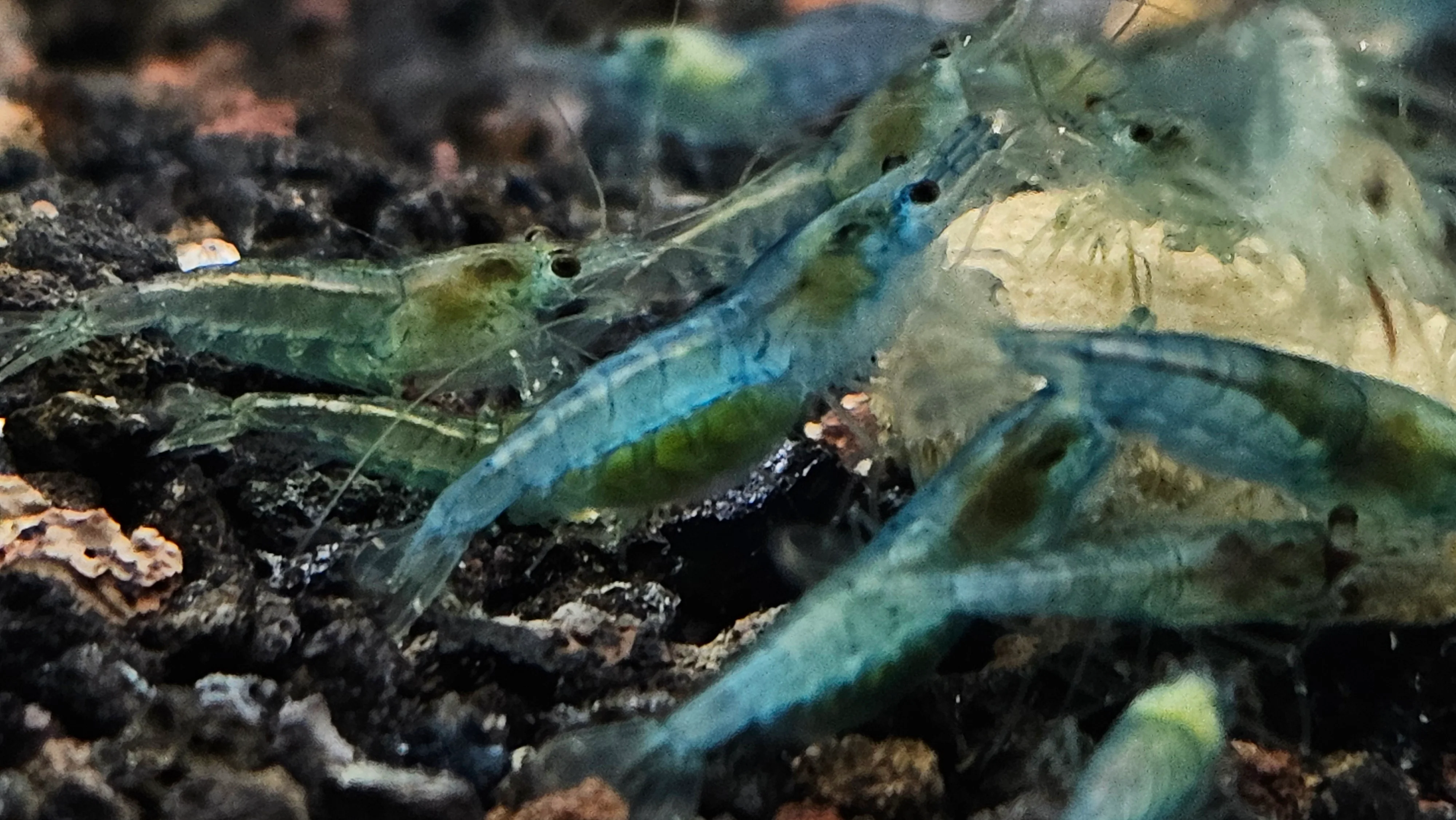
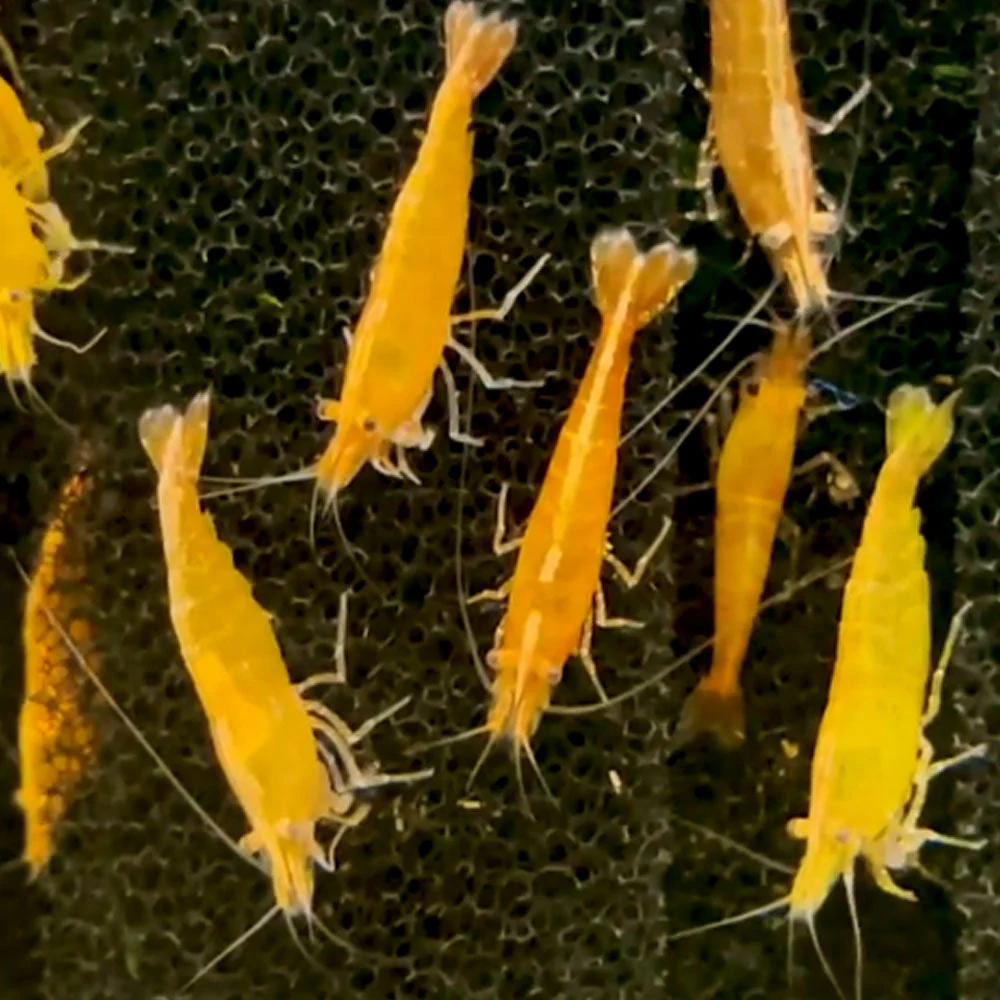
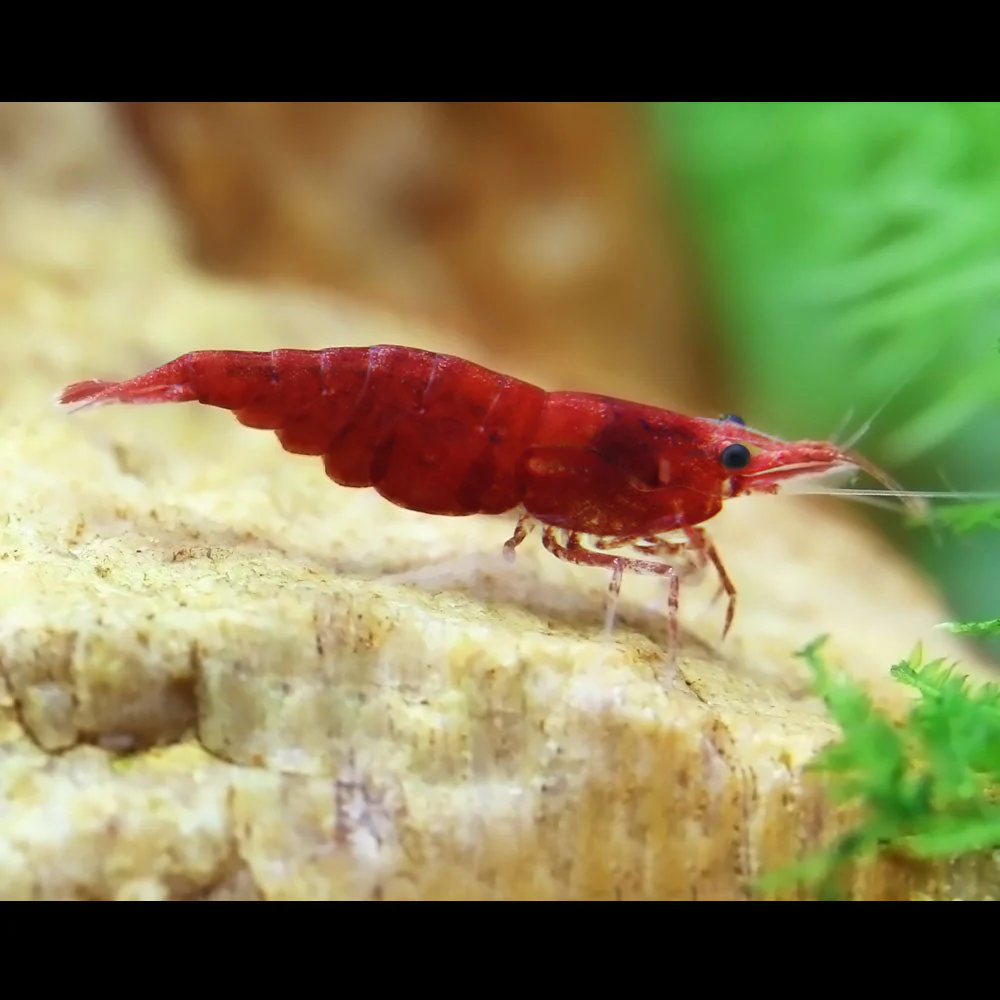
Bloody Mary Shrimp (Neocaridina davidi "Bloody Mary") are a stunning, deep red freshwater shrimp variety prized for their vivid coloration and ease of care.
🧬 Species Overview
- Scientific Name: Neocaridina davidi "Bloody Mary"
- Common Names: Bloody Mary Shrimp, Red Neocaridina
- Size: Up to 1.5 inches (3.8 cm)
- Lifespan: 1.5–2 years
- Temperament: Peaceful and social
- Coloration: Deep, translucent red due to red body tissue under a clear exoskeleton
Tank Setup
- Minimum Tank Size: 5 gallons (10+ gallons preferred for stability)
- Substrate: Dark substrate enhances red coloration
- Plants & Decor: Java moss, Anubias, driftwood, leaf litter, and shrimp tubes for hiding
- Filtration: Sponge filter or gentle HOB filter with pre-filter sponge
- Lighting: Moderate (6–8 hours/day)
- Heater: Recommended if room temperature fluctuates
Water Parameters
- Temperature: 65–80°F (18–27°C)
- pH: 6.2–7.8
- GH (General Hardness): 5–12 dGH
- KH (Carbonate Hardness): 3–5 dKH
- TDS: 150–300 ppm
- Ammonia/Nitrite: 0 ppm
- Nitrate: <20 ppm
Tip: Always use dechlorinated water and test regularly to maintain stable conditions.
Feeding
-
Diet: Omnivorous scavengers
- Algae wafers
- Shrimp pellets
- Blanched vegetables (spinach, zucchini, kale)
- Biofilm, detritus, and decaying plant matter
- Feeding Frequency: 1–2 times daily; remove uneaten food to prevent water pollution
Breeding
- Ease: Very easy in stable tanks
- Maturity: 2–3 months
- Egg Incubation: 2–3 weeks
- Fry Care: Shrimplets are independent from birth; provide biofilm and hiding spots
- Note: Avoid mixing with other Neocaridina color strains to prevent color dilution
Tank Mates
- Compatible: Other peaceful shrimp, snails, small fish like ember tetras, rasboras, and pygmy corydoras
- Avoid: Large or aggressive fish (e.g., cichlids, bettas) that may prey on shrimp
Common Issues
- Molting Problems: Caused by poor water quality or calcium deficiency
- Copper Sensitivity: Avoid copper-based medications and check tap water
- Stress: Caused by overcrowding, poor water, or aggressive tank mates
$7.99
Bloody Mary Shrimp Neocaridina davidi - Locally Bred-Shrimp Index—
$7.99
Product Information
Product Information
Shipping & Returns
Shipping & Returns
Description
Bloody Mary Shrimp (Neocaridina davidi "Bloody Mary") are a stunning, deep red freshwater shrimp variety prized for their vivid coloration and ease of care.
🧬 Species Overview
- Scientific Name: Neocaridina davidi "Bloody Mary"
- Common Names: Bloody Mary Shrimp, Red Neocaridina
- Size: Up to 1.5 inches (3.8 cm)
- Lifespan: 1.5–2 years
- Temperament: Peaceful and social
- Coloration: Deep, translucent red due to red body tissue under a clear exoskeleton
Tank Setup
- Minimum Tank Size: 5 gallons (10+ gallons preferred for stability)
- Substrate: Dark substrate enhances red coloration
- Plants & Decor: Java moss, Anubias, driftwood, leaf litter, and shrimp tubes for hiding
- Filtration: Sponge filter or gentle HOB filter with pre-filter sponge
- Lighting: Moderate (6–8 hours/day)
- Heater: Recommended if room temperature fluctuates
Water Parameters
- Temperature: 65–80°F (18–27°C)
- pH: 6.2–7.8
- GH (General Hardness): 5–12 dGH
- KH (Carbonate Hardness): 3–5 dKH
- TDS: 150–300 ppm
- Ammonia/Nitrite: 0 ppm
- Nitrate: <20 ppm
Tip: Always use dechlorinated water and test regularly to maintain stable conditions.
Feeding
-
Diet: Omnivorous scavengers
- Algae wafers
- Shrimp pellets
- Blanched vegetables (spinach, zucchini, kale)
- Biofilm, detritus, and decaying plant matter
- Feeding Frequency: 1–2 times daily; remove uneaten food to prevent water pollution
Breeding
- Ease: Very easy in stable tanks
- Maturity: 2–3 months
- Egg Incubation: 2–3 weeks
- Fry Care: Shrimplets are independent from birth; provide biofilm and hiding spots
- Note: Avoid mixing with other Neocaridina color strains to prevent color dilution
Tank Mates
- Compatible: Other peaceful shrimp, snails, small fish like ember tetras, rasboras, and pygmy corydoras
- Avoid: Large or aggressive fish (e.g., cichlids, bettas) that may prey on shrimp
Common Issues
- Molting Problems: Caused by poor water quality or calcium deficiency
- Copper Sensitivity: Avoid copper-based medications and check tap water
- Stress: Caused by overcrowding, poor water, or aggressive tank mates