🚚 Free Worldwide Shipping on All Orders!Shop Now
1 / 4
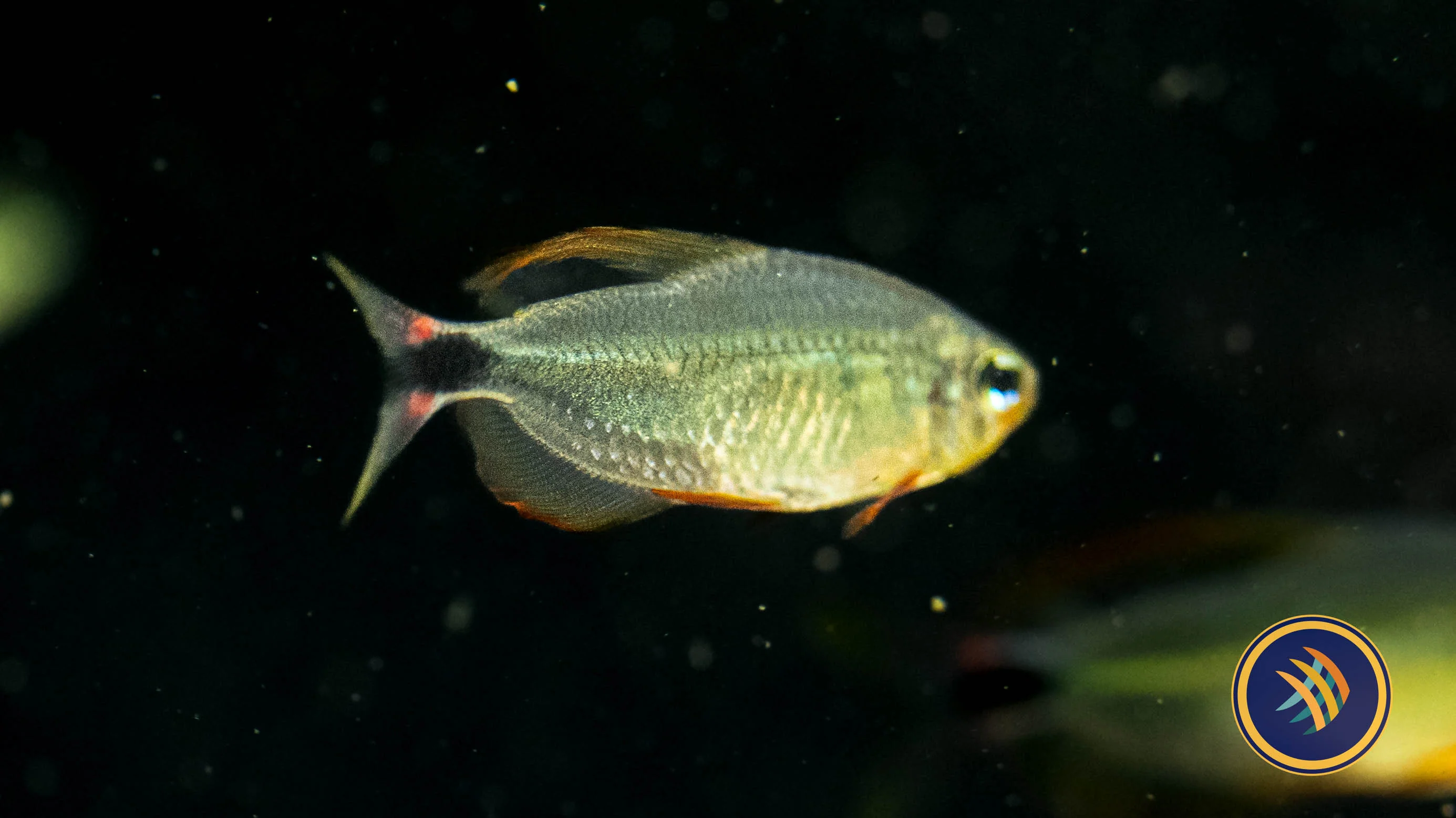
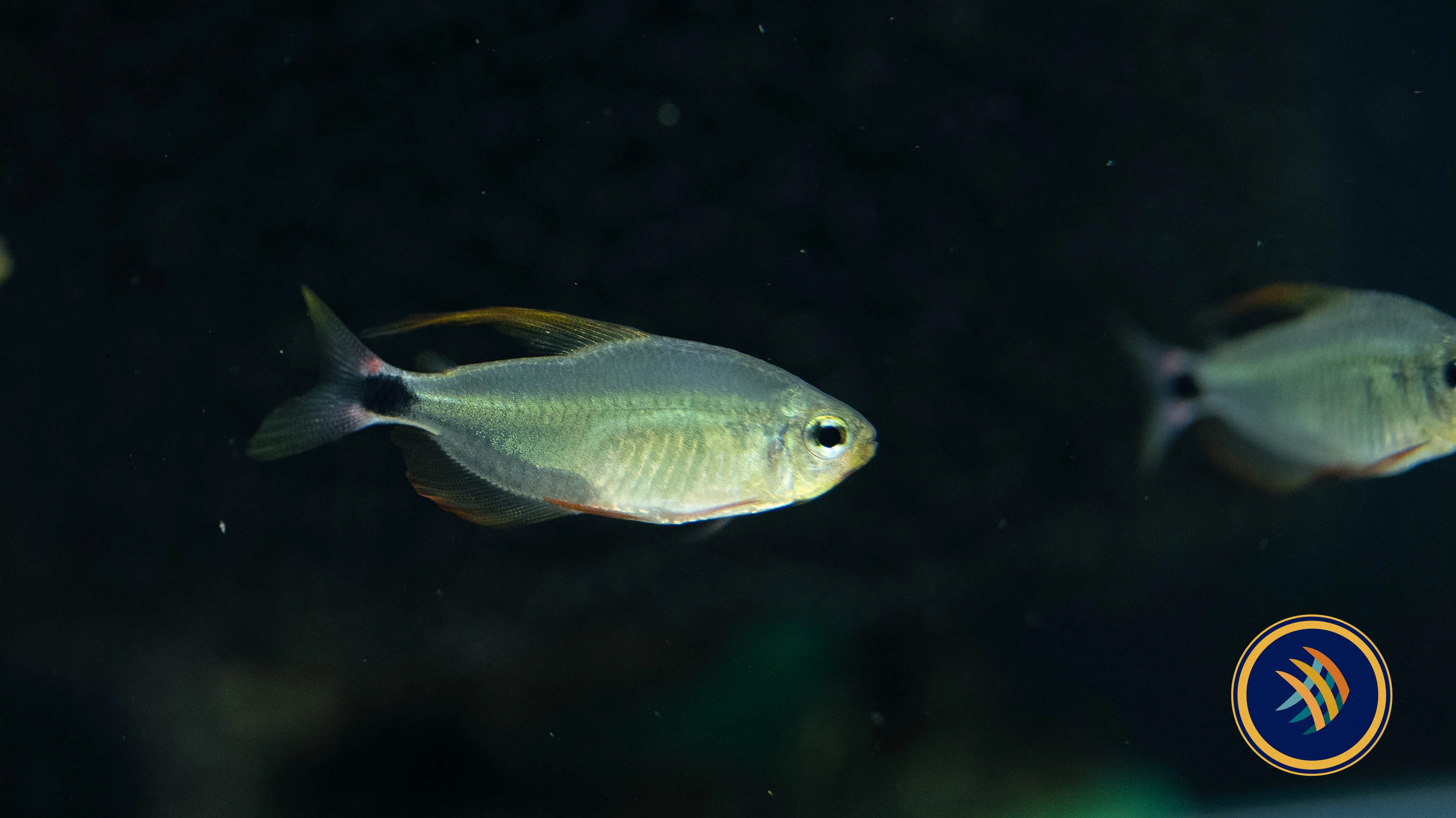
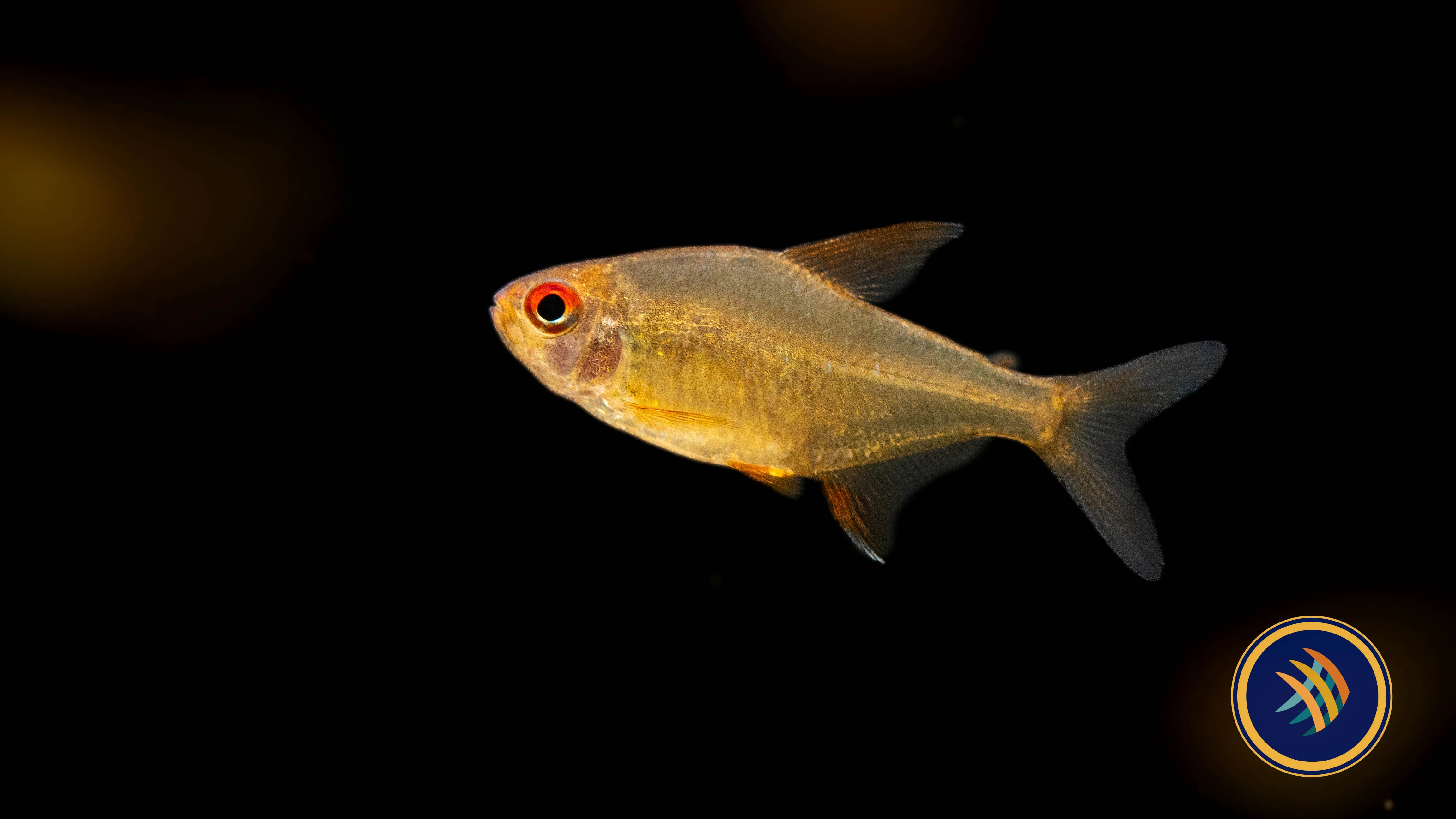
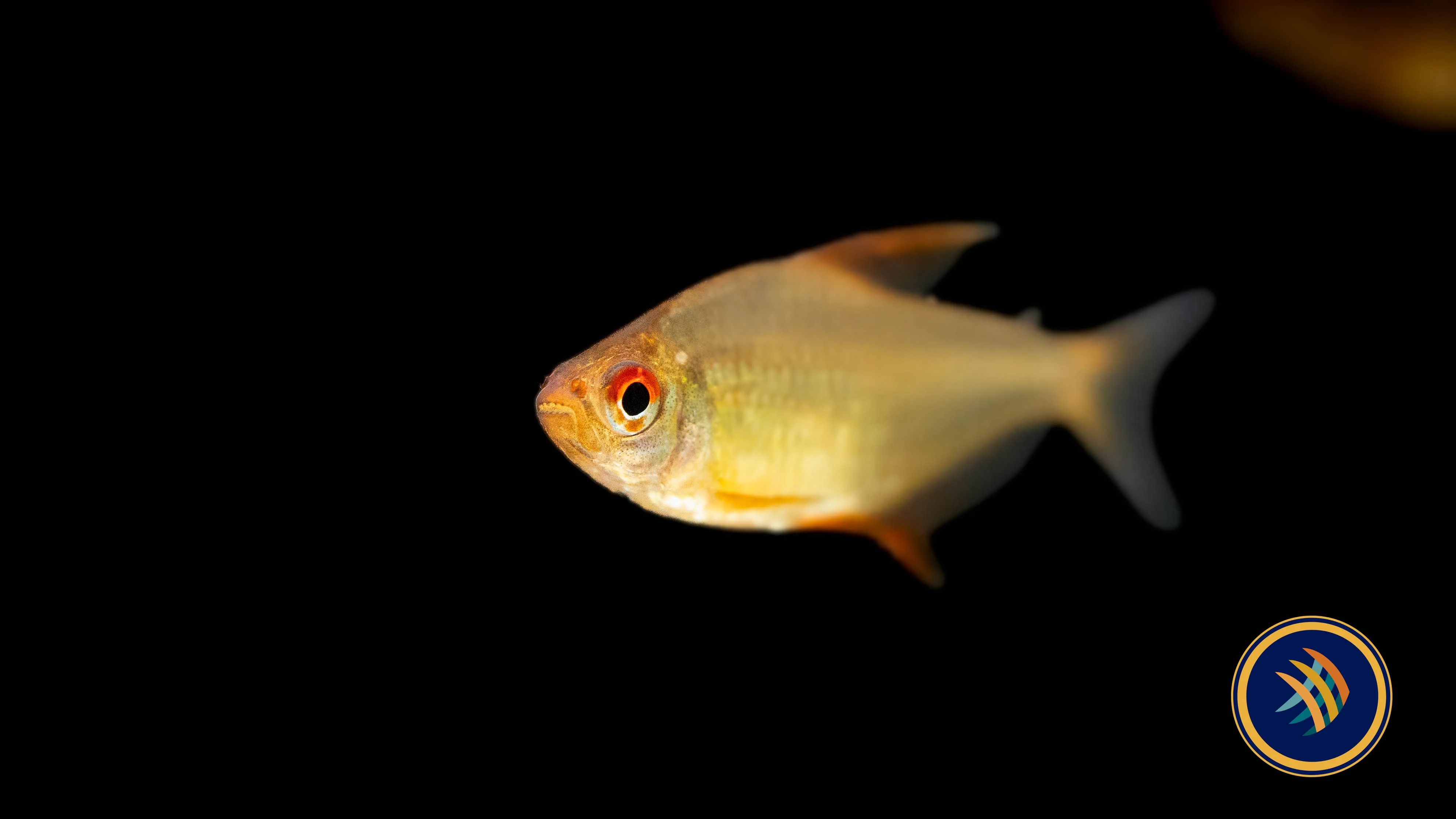
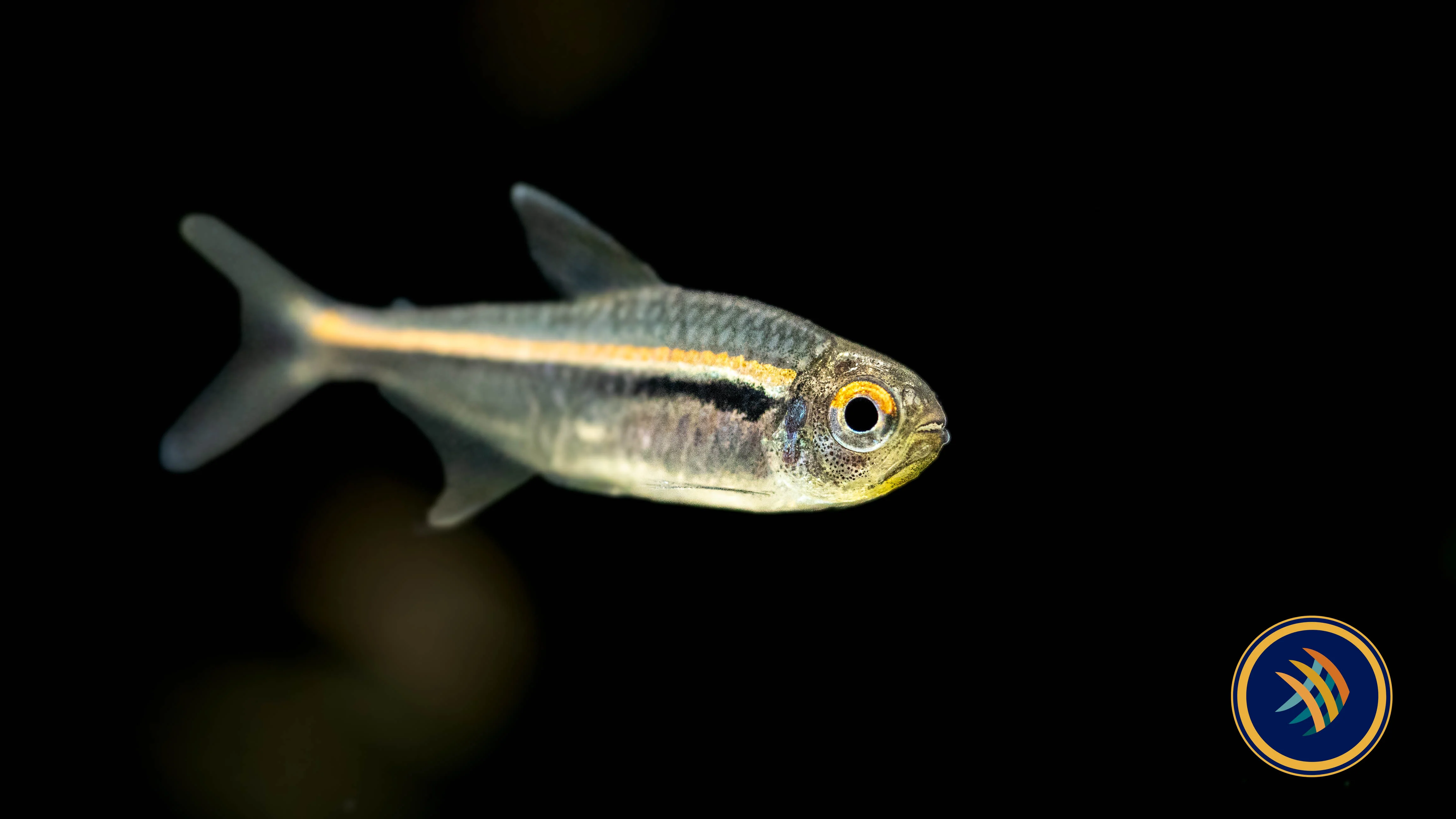
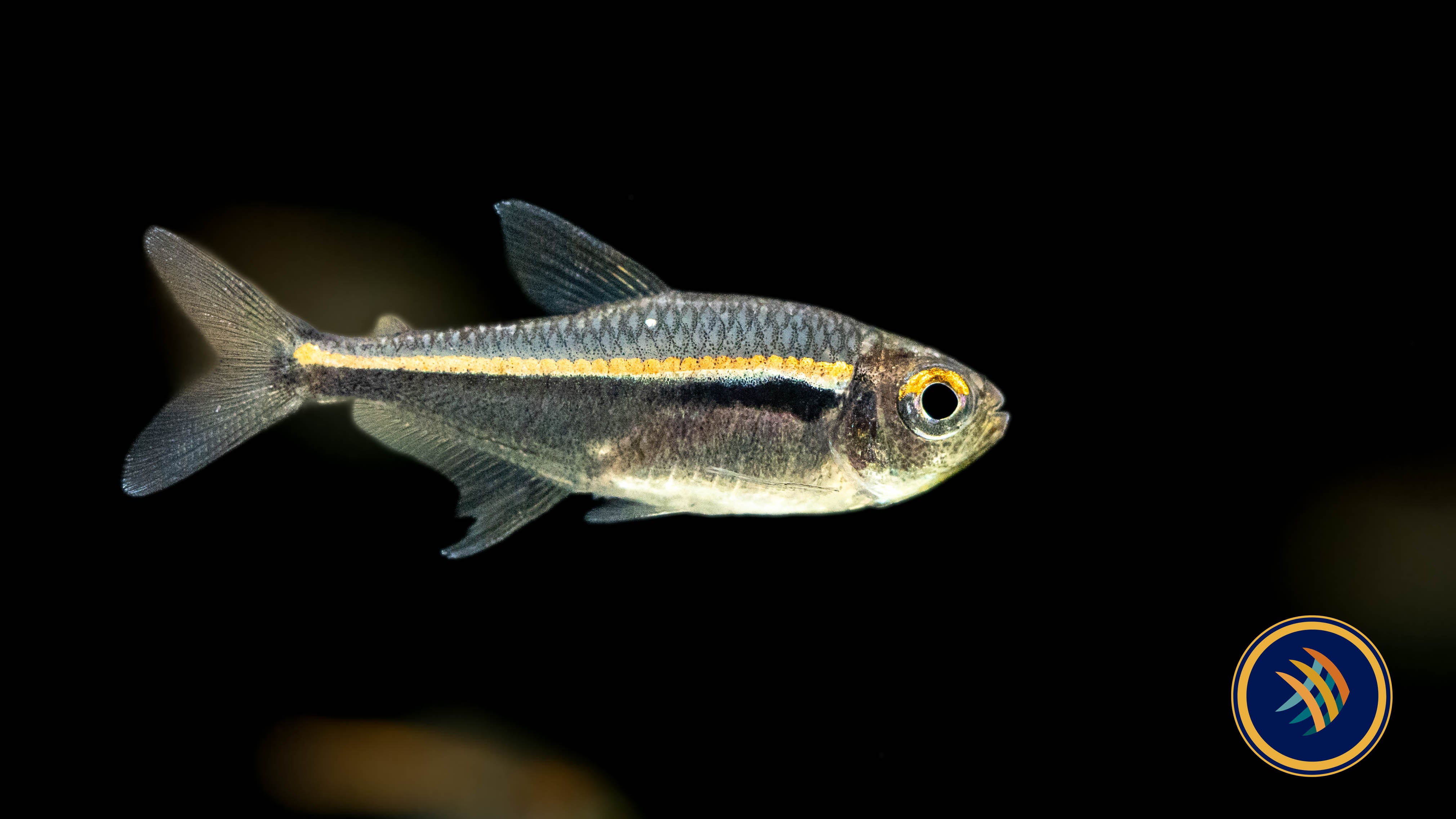
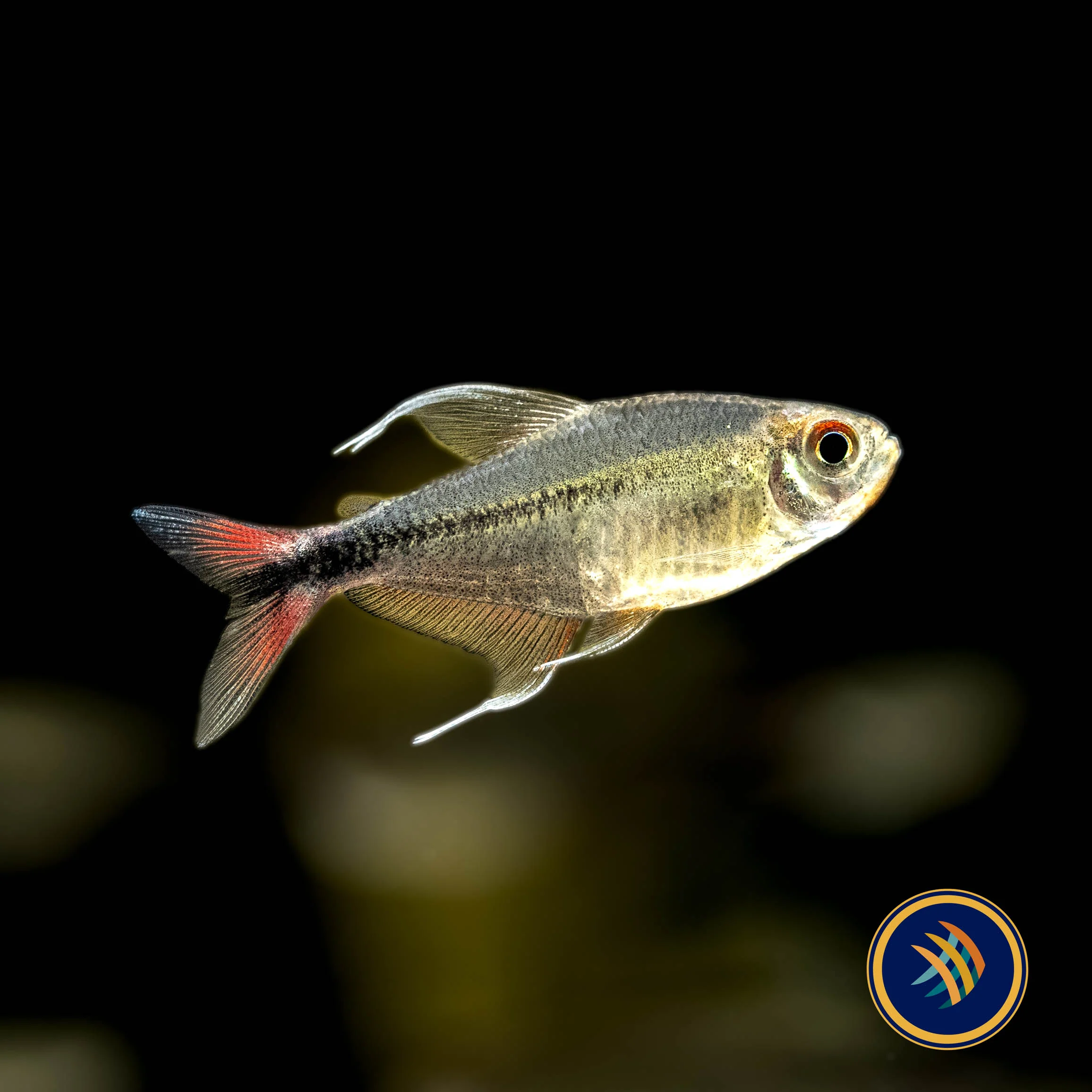
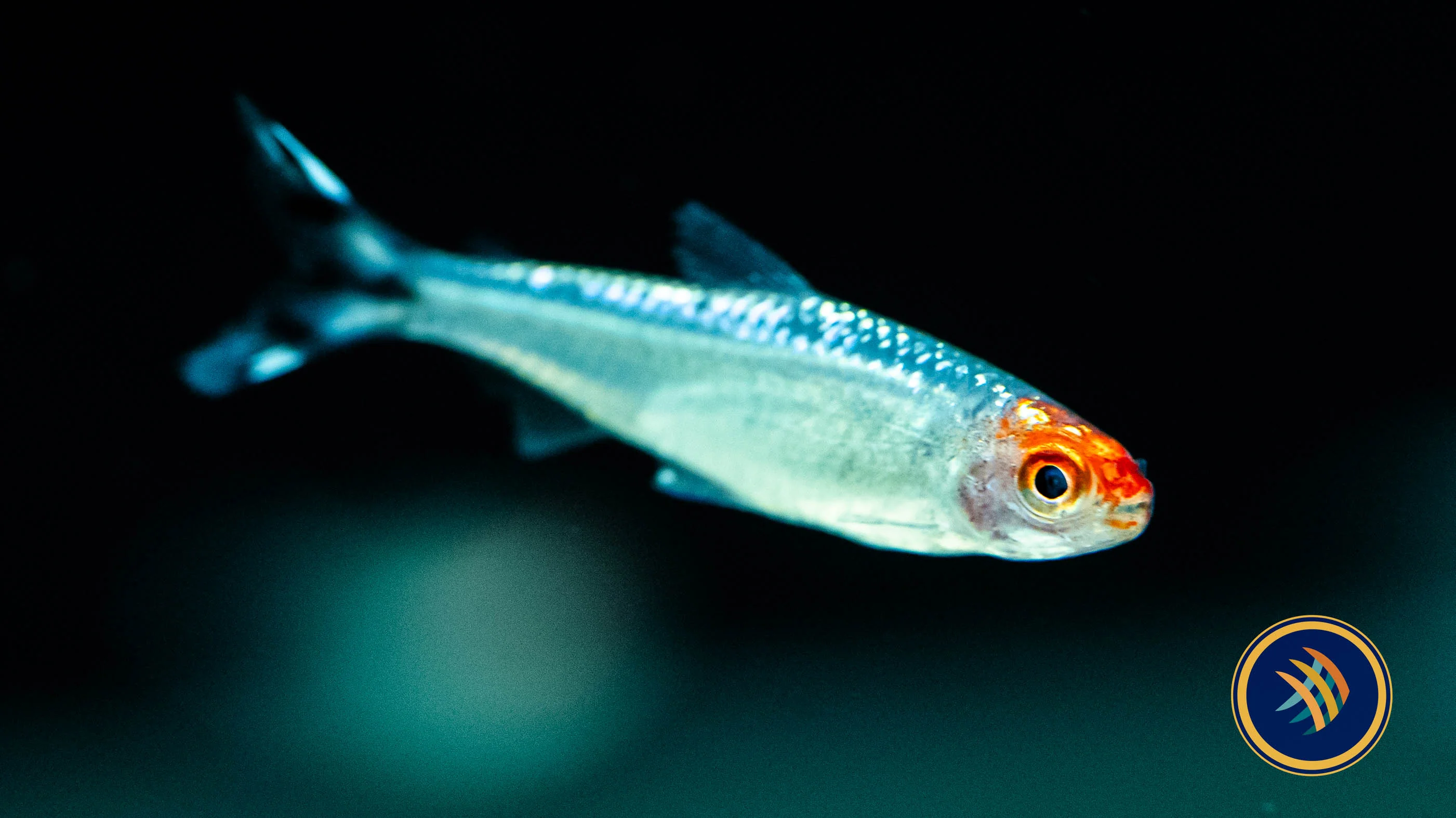
Diamond (Brilliant) Rummy Nose Tetra (Hemigrammus bleheri)
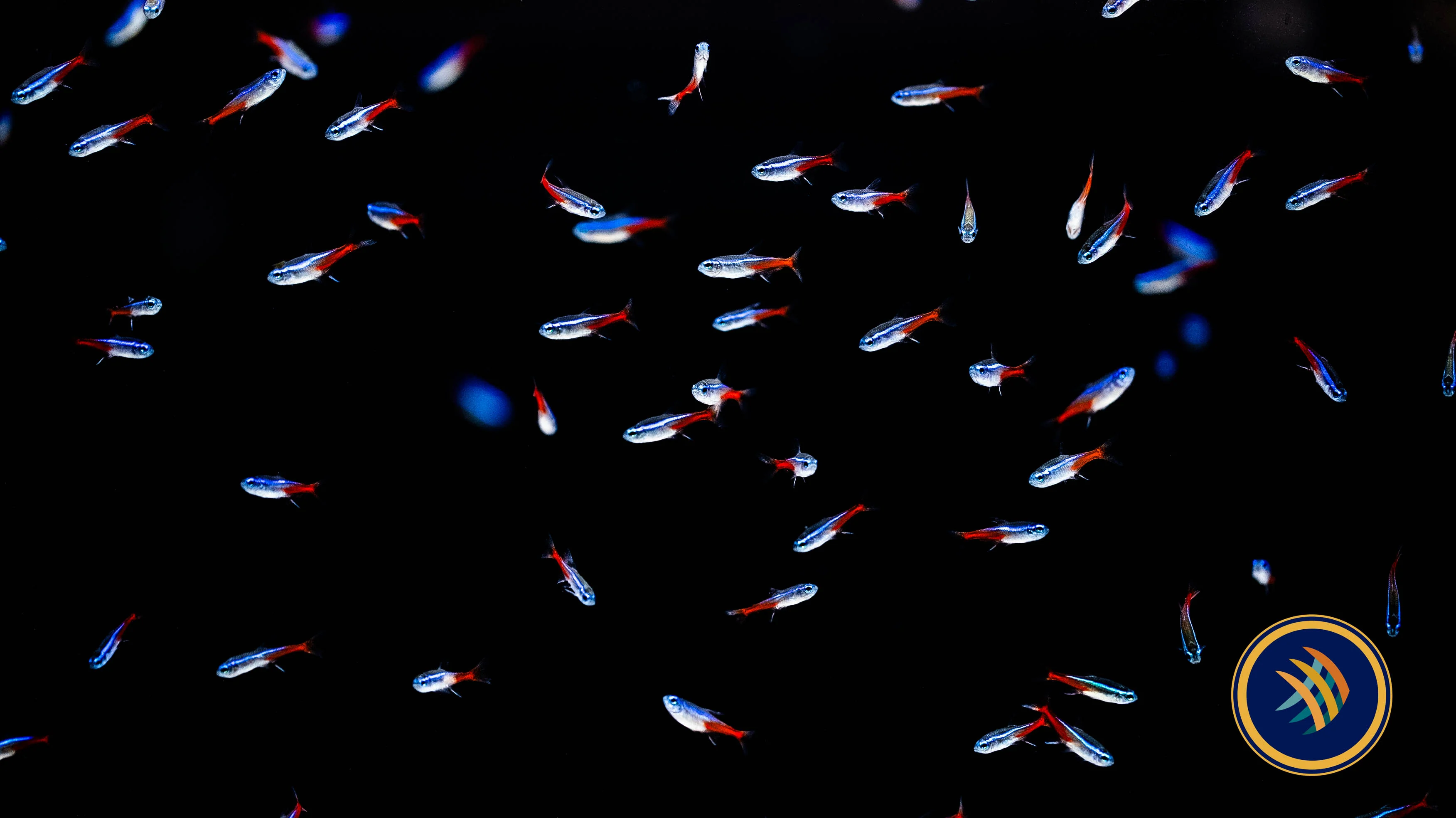
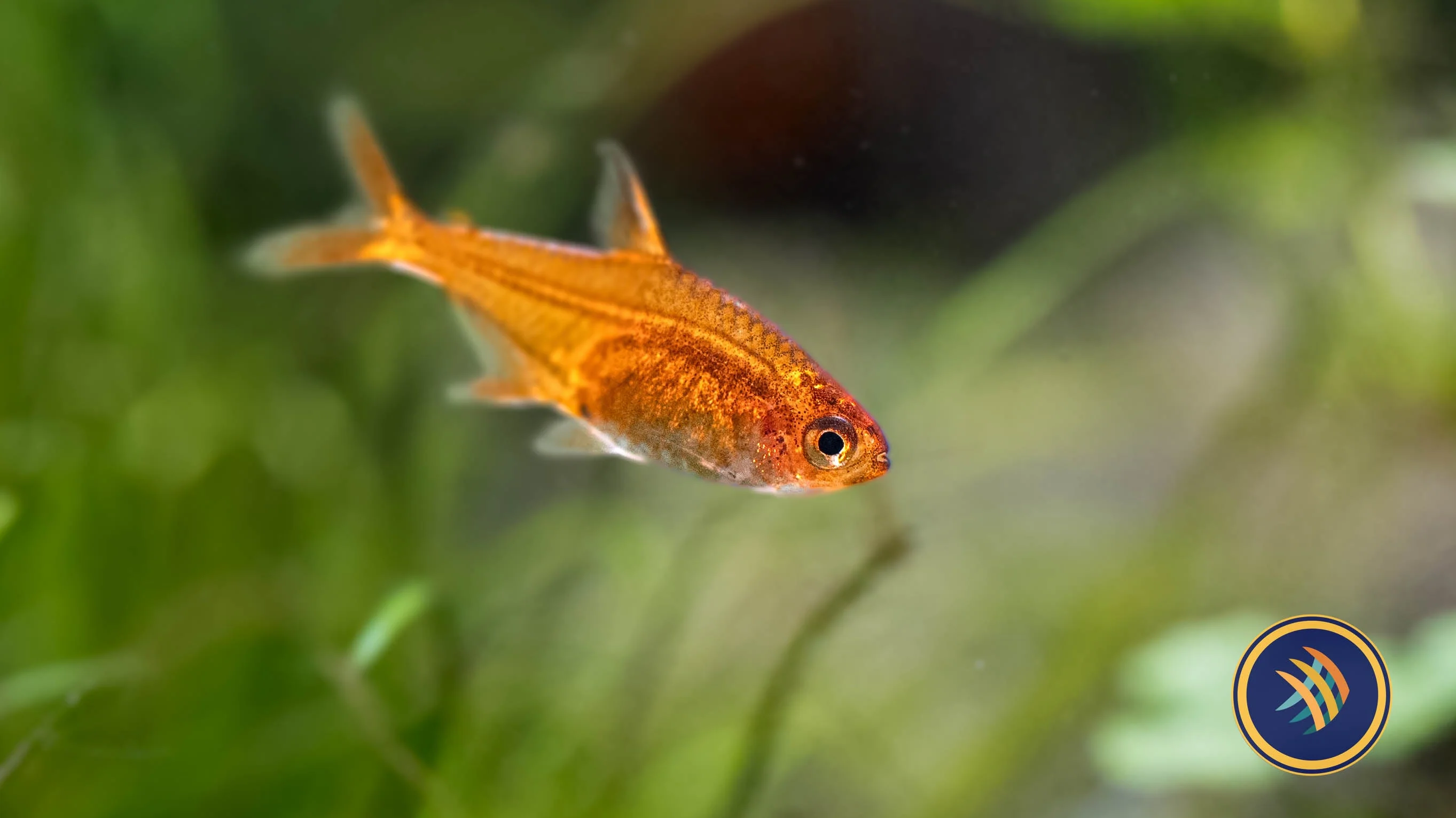
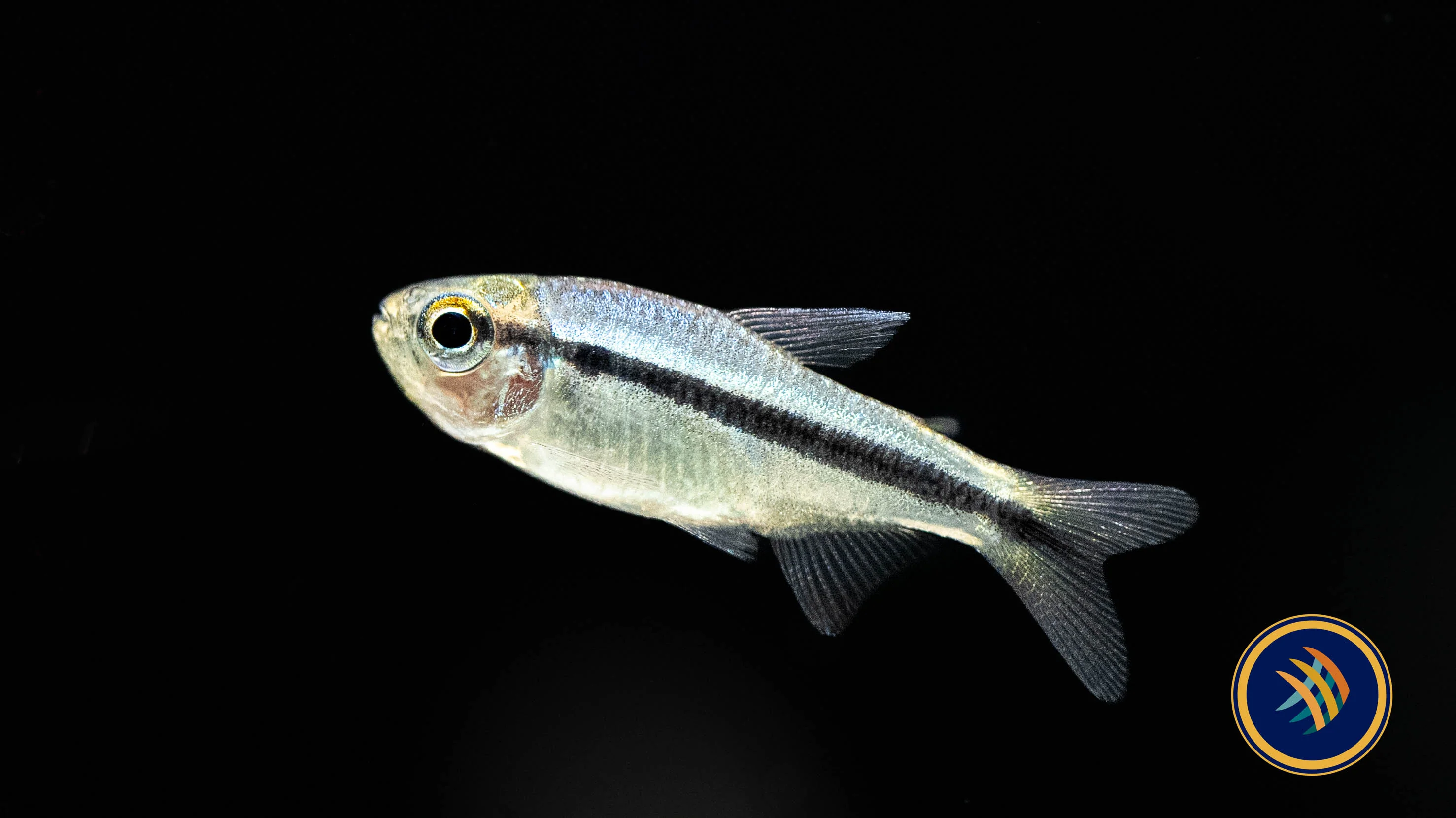
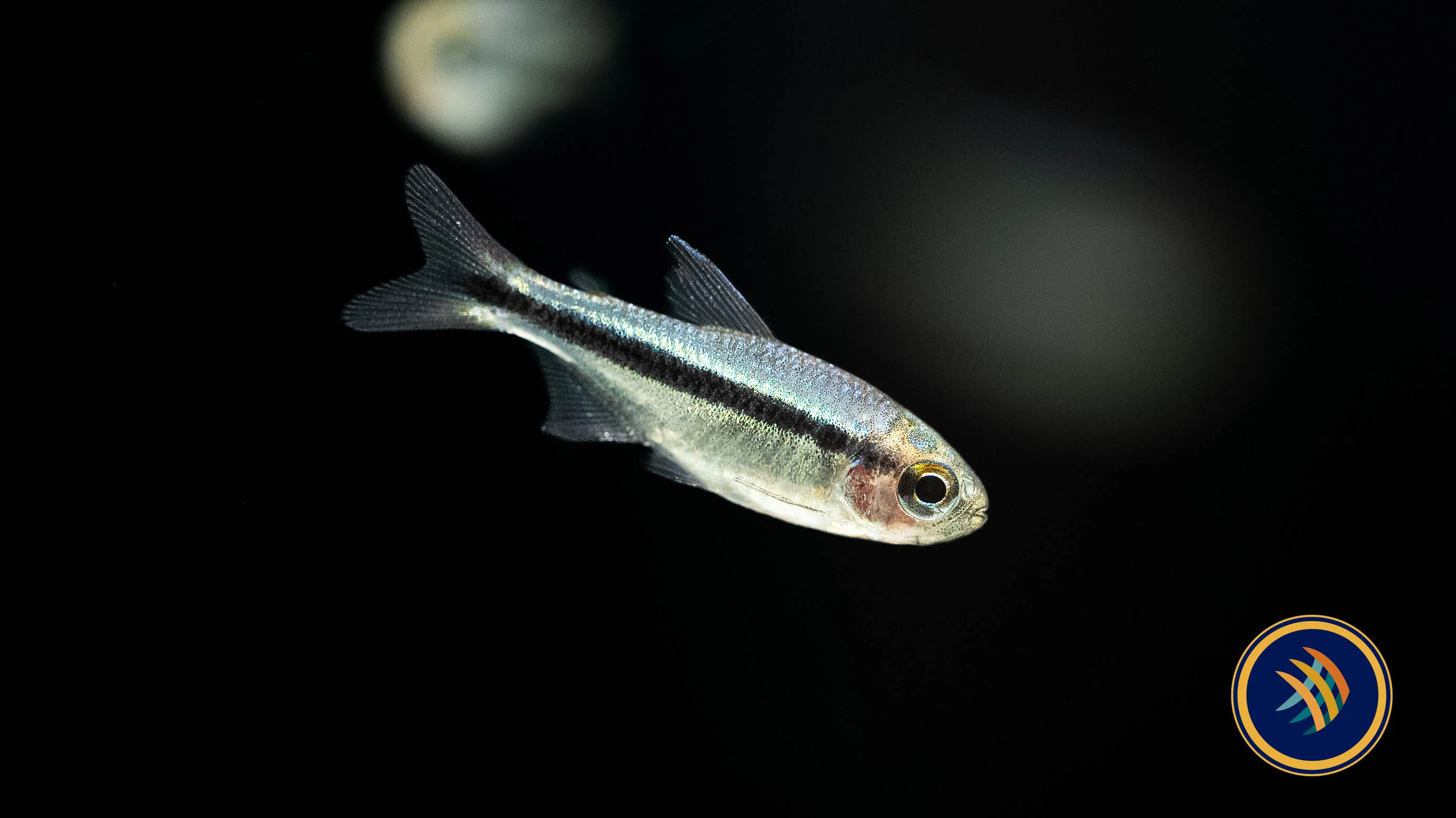
Diamond Rummy Nose Tetra (Hemigrammus bleheri), also known as the Brilliant Rummy Nose Tetra, is a beautiful variant of the common Rummy Nose Tetra. Here are some key details about them:
- Appearance: They have a distinctive red nose and a shimmering, diamond-shaped marking on their head, which sets them apart from other Rummy Nose Tetras
- Size: They typically grow to about 2-2.5 inches (5-6 cm) in length
- Habitat: Native to the Amazon Basin, they thrive in warm, slightly acidic water. They prefer a well-planted tank with plenty of swimming space
- Tank Requirements: A minimum tank size of 20 gallons is recommended. They prefer water temperatures between 74-84°F (23-29°C) and a pH of 5.5-7.0.
- Diet: Diamond Rummy Nose Tetras are omnivorous and will eat a variety of foods, including high-quality flake food, small live or frozen foods like brine shrimp, and daphnia
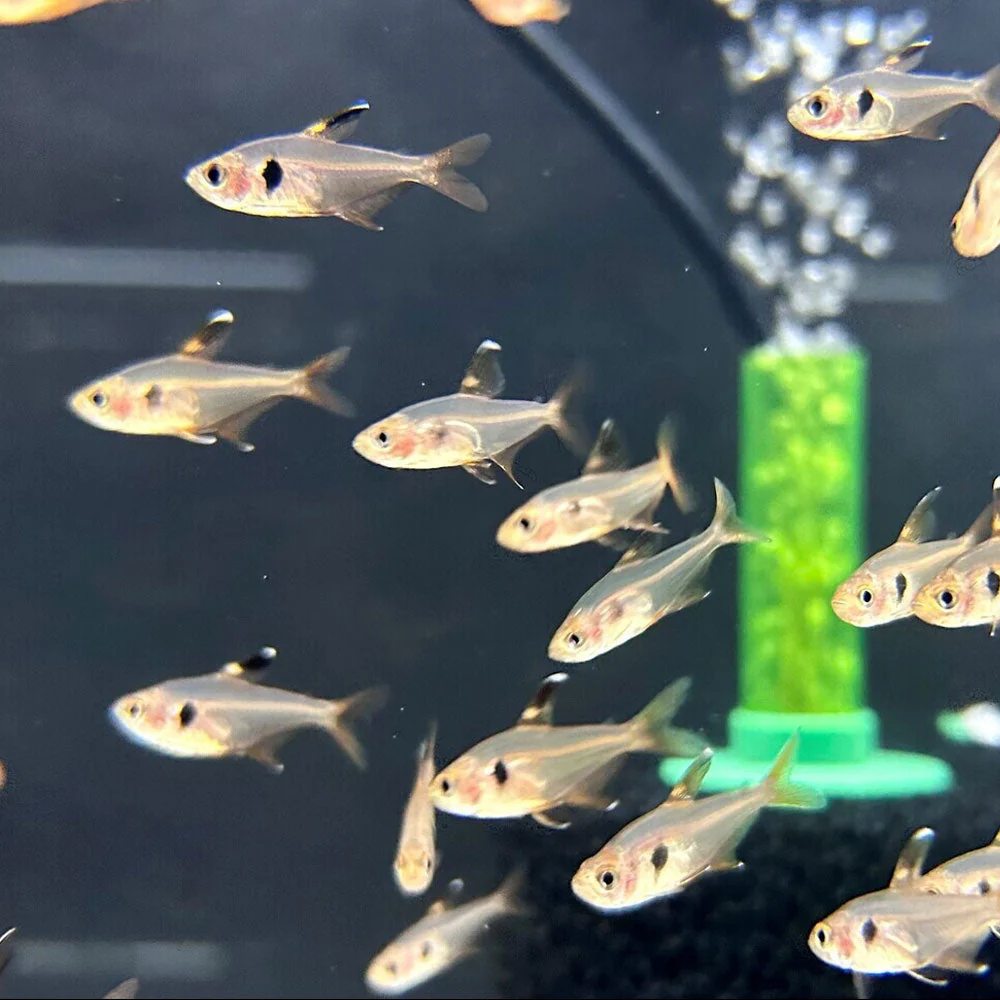
- Behavior: They are peaceful, schooling fish that should be kept in groups of at least 6 to feel secure and display their natural behaviors
- Breeding: Breeding them can be challenging, but it is possible in a well-maintained tank with the right conditions
$6.99
Diamond (Brilliant) Rummy Nose Tetra (Hemigrammus bleheri)—
$6.99
Product Information
Product Information
Shipping & Returns
Shipping & Returns
Description
Diamond Rummy Nose Tetra (Hemigrammus bleheri), also known as the Brilliant Rummy Nose Tetra, is a beautiful variant of the common Rummy Nose Tetra. Here are some key details about them:
- Appearance: They have a distinctive red nose and a shimmering, diamond-shaped marking on their head, which sets them apart from other Rummy Nose Tetras
- Size: They typically grow to about 2-2.5 inches (5-6 cm) in length
- Habitat: Native to the Amazon Basin, they thrive in warm, slightly acidic water. They prefer a well-planted tank with plenty of swimming space
- Tank Requirements: A minimum tank size of 20 gallons is recommended. They prefer water temperatures between 74-84°F (23-29°C) and a pH of 5.5-7.0.
- Diet: Diamond Rummy Nose Tetras are omnivorous and will eat a variety of foods, including high-quality flake food, small live or frozen foods like brine shrimp, and daphnia
- Behavior: They are peaceful, schooling fish that should be kept in groups of at least 6 to feel secure and display their natural behaviors
- Breeding: Breeding them can be challenging, but it is possible in a well-maintained tank with the right conditions